





Ready to try BrandSKU?

Thinking about starting a store but not sure where to begin? Dropshipping for beginners looks simple online — pick a product, run some ads, wait for sales. Reality is a bit messier. Most first-time sellers quit before their first order, usually because nobody warned them what actually happens after launch.
This guide walks you through 7 clear steps to your first sale. No hype. No "get rich in 30 days" promises. Just what works, what to skip, and where beginners lose money.
Key Takeaways
- Pick a narrow niche with repeat buyers, not a general store.
- Budget $300–$500 upfront to cover ads, samples, and payout delays.
- Cash flow gaps close more stores than slow sales do.
- Going direct to a factory supplier like BrandSKU beats middleman markups.
- Your first sale proves the system; reinvest profit into what already works.
What Is Dropshipping and How Does It Work?
What Is Dropshipping?
Dropshipping lets you sell stuff online without ever holding it yourself.
You put products up in your store, but the actual boxes sit in a supplier's warehouse somewhere else. Customer buys something? You send that order over to the supplier, they pack it, they ship it.
Your cut is whatever's left between the price the customer paid and what you owe the supplier.
How Does It Work?
Here's the flow in one order:
- A customer buys a $30 phone case from your store.
- You pay your supplier $8 for the same case, plus shipping.
- The supplier packs it and ships it to your customer, often with your store's name on the label.
- You keep about $22 in gross profit — before ad costs, app fees, and refunds.
The catch: you never see the product, so supplier quality decides whether your customer comes back or files a chargeback.
Pros and Cons of Dropshipping
Pros of Dropshipping
- Low startup cost. You don't buy stock upfront. A domain, a Shopify plan, and a few app fees — you can be live for under $100.
- Test products fast. Don't like how a product sells? Swap it out the same day. No warehouse full of dead stock staring at you.
- Run it from anywhere. Laptop, coffee shop, your bed at 2am — as long as the supplier ships, your store keeps working.
- Scale without hiring. More orders don't mean more packing. The supplier handles that part no matter if you sell 5 or 500 a day.
Cons of Dropshipping
- Margins are tight. After ad costs, payment fees, and app subscriptions, a $22 gross profit often lands closer to $3–$5 per order. Doable, but you'll need volume or better pricing to build real income.
- Less control over quality. The supplier packs and ships, so you're trusting their standards. Vetting a few sample orders before you list a product goes a long way.
- Shipping takes longer. Most AliExpress orders arrive in 2–4 weeks. Setting clear delivery expectations on your product page keeps customers calm while they wait.
- Products aren't unique. The same suppliers serve thousands of stores, so your ads and branding do the heavy lifting. Good creative and a sharp store beat a "special" product almost every time.
How to Start Dropshipping for Beginners in 7 Steps
Step 1: Pick a Niche You Can Actually Sell In
Skip the "sell everything" trap. The stores that get to a first sale fast usually pick a narrow audience — think left-handed cooks, not "kitchen gadgets." A tight niche means cheaper ads (smaller audience, sharper targeting) and a real reason for someone to follow your page instead of scrolling past.
One filter most guides skip: pick a niche where buyers already spend money on hobbies or identity, not just problems. Hobby buyers repeat. Problem-solver buyers vanish after one purchase. Repeat buyers are what turn a lucky first sale into a business.
Step 2: Research Winning Products
Everyone says "check TikTok." Better move: find a product that's been quietly selling for 3+ months, not one that just went viral last week. Viral products are already saturated by the time you spot them, and the ad cost has doubled.
What to actually look for:
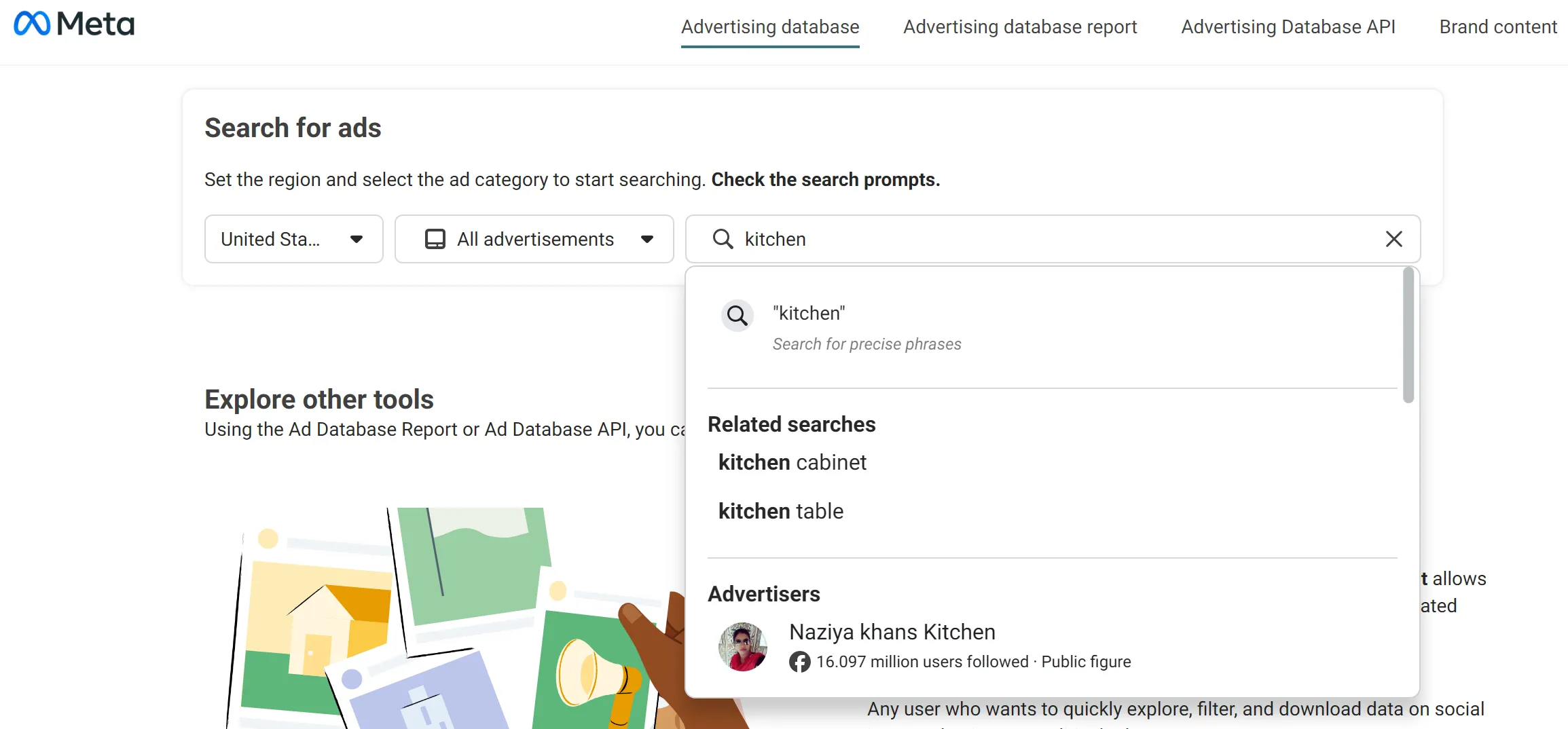
- Selling steadily across multiple stores (check the Meta Ad Library for ads still running weeks later)
- A 3x markup possible after shipping
- Solves something a photo can explain in 2 seconds
- Not fragile, not battery-powered, not trademarked
Order one to your own address before you list it. If you wouldn't keep it, your customers won't either.
Step 3: Find a Reliable Supplier
AliExpress and CJdropshipping are where most beginners start, but they're the starting line, not the goal. Middleman platforms mark up factory prices and add 2–3 handoffs before your product ships — that's what slows delivery and eats your margin.
Going direct to a supplier with its own factory fixes both. BrandSKU, for example, manufactures in-house, so you skip the middleman markup, get faster processing, and can add custom packaging without a 500-unit minimum — the combo that usually takes beginners 6 months to unlock.
Step 4: Set Up Your Shopify Store
Pick a clean free theme (Dawn works fine — paid themes rarely lift conversions for beginners) and resist the urge to spend a week designing. What actually matters: real product photos beyond the supplier's stock images, honest shipping times on the product page, and a visible refund policy.
Two things most new stores get wrong:
- Copying AliExpress descriptions word for word (Google flags this, and it reads like a translation)
- Hiding the "About" page — buyers check it before pulling out a card, especially on a brand they've never heard of
Shopify is the easy default, but it's not the only path. TikTok Shop and eBay let you test products without building a full store, which is worth considering if your budget is under $100.
Step 5: Set Up Payments and Legal Basics
Turn on Shopify Payments and add PayPal as a backup — a lot of buyers won't check out without it. This step is boring, which is exactly why beginners skip it and pay for it later.
The overlooked part: new stores get payment holds. Stripe often holds funds for 7 days by default, PayPal commonly 21.
Register a real business entity (LLC in the US is $50–$150), open a business bank account, and upload your business docs to Shopify Payments on day one. This alone cuts hold times in half and keeps your cash flowing while orders ramp up.
Step 6: Launch Ads and Drive Traffic
Paid ads get results faster, but most beginners burn $500 before they understand what they're looking at. Start with $20/day on TikTok or Meta, test 3 creatives per product, and give it 3 full days before judging. Killing an ad on day one is how you kill campaigns that were about to work.
The metric that actually matters early on isn't ROAS — it's cost per add-to-cart. If people are adding to cart but not buying, the problem is your checkout or price, not your ad. If nobody's adding, the ad or product is off. Diagnosing this correctly saves weeks.
Step 7: Handle Orders and Improve
Fulfill orders the same day, every day. Reply to customer emails within 24 hours, even the annoying ones — one bad review on a new store can tank your conversion rate for weeks.
Then do the part nobody talks about: after your first 10 orders, sit down and look at which product, which ad, and which traffic source actually made money.
Most beginners chase the next shiny product instead of doubling down on the one that's already working. Your first winner funds the next test. That's how stores go from a lucky first sale to a real business — not by finding more products, but by squeezing more out of the one that works.
Time vs Money: What to Trade When You're Just Starting
The Cheap, Fast, Viable Triangle
Every new store has to pick two out of three: cheap, fast, or viable.
Cheap + fast collapses — you've seen those stores, dead in a month.
Fast + viable costs real money for ads and designers.
Cheap + viable is the honest beginner path, and the trade you make is time.
What "Paying in Time" Actually Looks Like
If your budget is tight, hours replace dollars.
Realistic list of what those hours go into:
- Studying 5–10 competitor stores until you know their pricing and angles cold
- Writing your own product copy instead of hiring
- Posting on TikTok or Instagram daily to build organic reach
- Editing product photos yourself in Canva or Photopea
- Fixing theme code when Shopify's defaults don't cut it
Expect months before the first sale, not weeks.
The Quiet Advantage Nobody Mentions
Hands-on beginners often out-perform funded ones.
Reason: you feel every friction point yourself — bad checkout, weak headline, wrong price — and fix it same day. An agency-built store can't do that. Skills stack across every store you'll ever run; a paid ad campaign doesn't.
When the Trade Flips
Around your 5th to 10th organic sale, the math changes. The product is proven, the store converts, and now a dollar of ad spend does more than an hour of your time.
Reinvest that first bit of profit into small ad tests — $10–$20 a day — before anything else. Speed becomes worth paying for once you know what to speed up.

The Hidden Cash Flow Gap in Your First Month
The Trap Nobody Warns You About
Most beginners picture failure as "nobody buys." The uglier version is the opposite: orders are coming in, ads are working, and your bank account still hits zero.
That's what closes stores in month two — not slow sales, but cash arriving too late to cover what already went out the door.
Why the Gap Exists
Three timelines don't line up:
- Customer pays → Stripe takes ~7 days to reach your bank for new stores; PayPal often holds funds 21 days
- You pay the supplier → same day, or the order sits and the customer waits
- You pay for ads → daily, straight off your card
Money crawls in. Money sprints out.
A Quick Example
Say your first month does $500 in revenue with $200 in paper profit. Nice, right? Except mid-month your account dips to negative $340 because ad spend and supplier bills clear before your first payout lands.
You need to front that $340 yourself — or orders stall and refunds start.
How to Survive It
Three moves cover most of the risk:
- Keep a $500–$1,500 buffer in your account before you launch — enough for 2 weeks of ads plus supplier costs
- Prioritize Shopify Payments or Stripe over PayPal; payout cycles are shorter and holds are easier to clear
- When orders spike, resist the urge to double ad spend immediately — wait for the first payout to hit, then scale
Cash timing kills more first stores than bad products do.
Read More:
- The Dropship Blueprint Handbook: Essentials for New Sellers
- How to Start a Dropshipping Business With No Money: 7 Steps
Start a Dropshipping Business With BrandSKU
Most beginner suppliers push you toward the same trending products everyone else is selling. That's why 500 stores end up fighting over the same phone case.
BrandSKU takes a different angle: it's built for sellers who want to look like a real brand from day one, not another dropshipping shop.
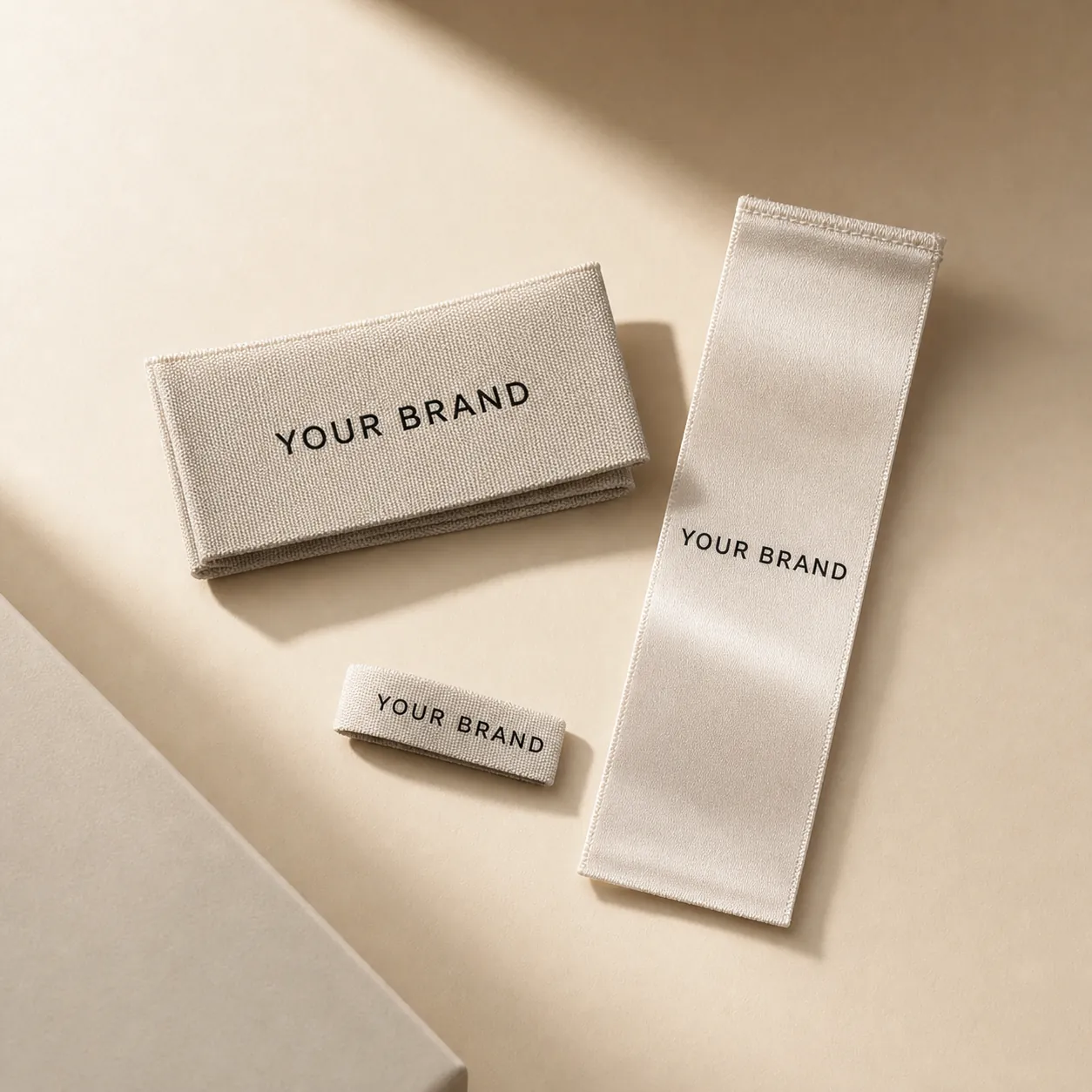
You can add custom packaging — hang tags, boxes, inserts — without a huge minimum order, and use product sourcing to get larger or non-standard items (furniture, lighting, home goods) that most platforms don't carry. Browse the full dropshipping catalog to see what's already in stock.
For a first-time seller chasing that first sale, that combo matters. Cheaper products anyone can copy won't get a customer to come back. A branded unboxing and a product your competitor can't source will.
Expert Tips
Dropshipping for beginners isn't about luck. It's about picking a tight niche, testing products the smart way, and setting up a store people trust. Cash flow matters. Timing matters. Your first sale won't fund a lifestyle — but it proves the system works.
Start small. Move fast on what wins. Cut what doesn't. Every store you'll ever build gets easier once you land that first real order. Keep going.
FAQs
How much money do I need to start dropshipping?
Realistically, $300 to $500 gets you off the ground. That covers a Shopify plan, a domain, sample orders, and a cash buffer for those first supplier bills before payouts land.
Why do 90% of dropshippers fail?
Most quit too early. They pick a saturated product, burn ad money in three days, run out of cash before finding a winner, and blame the model. Patience and better product testing fix most of it.
Can I make $10,000 per month dropshipping?
Yes, but not in month one. Sellers hitting that mark usually spent 6–12 months finding a winning product, dialing in ads, and reinvesting profit. It's realistic, just not fast.
What is the easiest thing to dropship?
Small, lightweight items priced $20–$50 that solve one clear problem or match a hobby. Think pet accessories, kitchen gadgets, or car add-ons. Skip electronics, fragile stuff, and anything with a brand logo.
Does Amazon allow dropshipping?
Yes, but with strict rules. You must be the seller of record, remove third-party branding, and handle returns yourself. AliExpress-style fulfillment gets your account suspended fast, so read Amazon's policy first.
Share article


Written by

Supply chain background | Covers sourcing and cross-border logistics | Curious about what works in dropshipping and what doesn't

 Early access

