
Ready to try BrandSKU?

The supplement market keeps growing, and you don't need a warehouse to get a piece of it. When you dropship supplements, someone else handles the products while you focus on building a brand and driving sales.
But not every supplier is worth your time. Some ship slowly, others cut corners on quality, and a few charge hidden fees that eat your margins.
This guide covers the top 11 supplement dropshipping companies for 2026, plus what to sell, how to run ads, and how to get approved on Amazon.
Benefits of Dropshipping Supplements
Supplements dropshipping is one of the safest ways to test e-commerce without holding stock. You skip warehouse costs, and your supplier handles packing and shipping while you focus on ads and branding.
Demand is also on your side. The global dietary supplements market is expected to grow from $228.2 billion in 2026 to $431.7 billion by 2033, driven by rising health awareness and a bigger focus on preventive care.
There's another quiet advantage most beginners miss: repeat purchases. Someone who buys vitamins usually comes back every 30-60 days, which turns one sale into steady monthly income over time.
11 Dropship Supplements Companies Worth Considering
1. OK Capsule
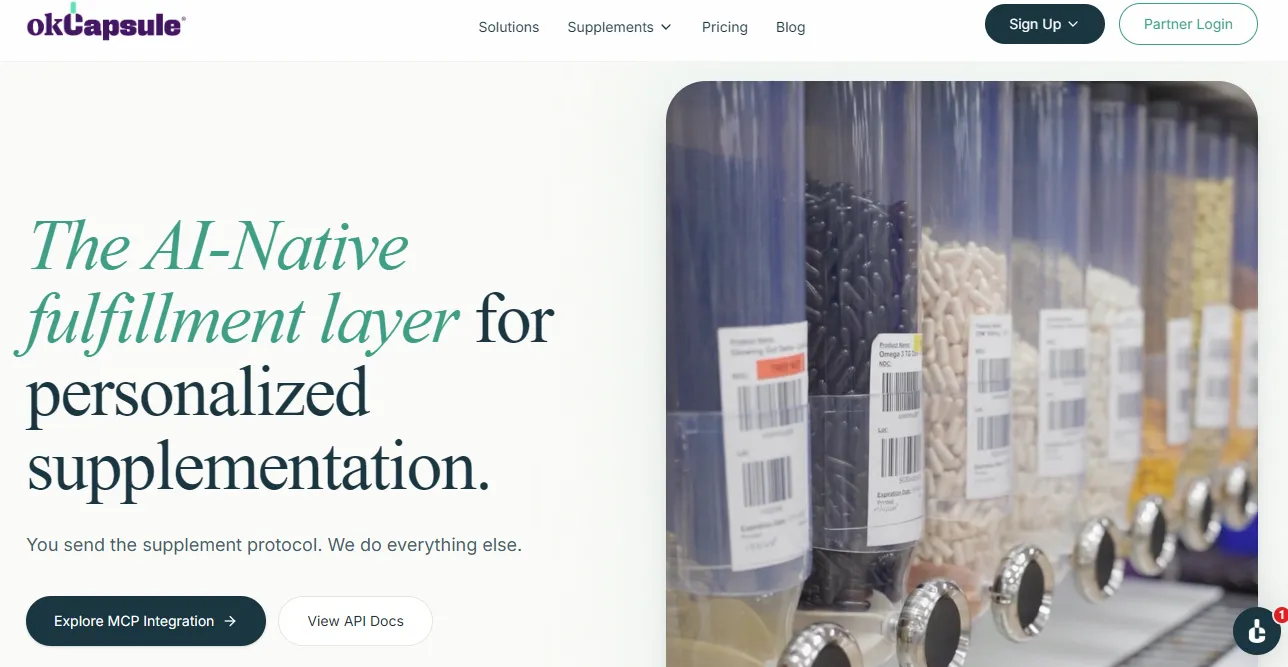
OK Capsule focuses on personalized vitamin packs. Customers get their name printed right on the pouch, which feels premium and boosts retention.
It supports Shopify and API setups, so it works well for brands building subscription-based wellness businesses rather than one-off sales.
2. Supliful
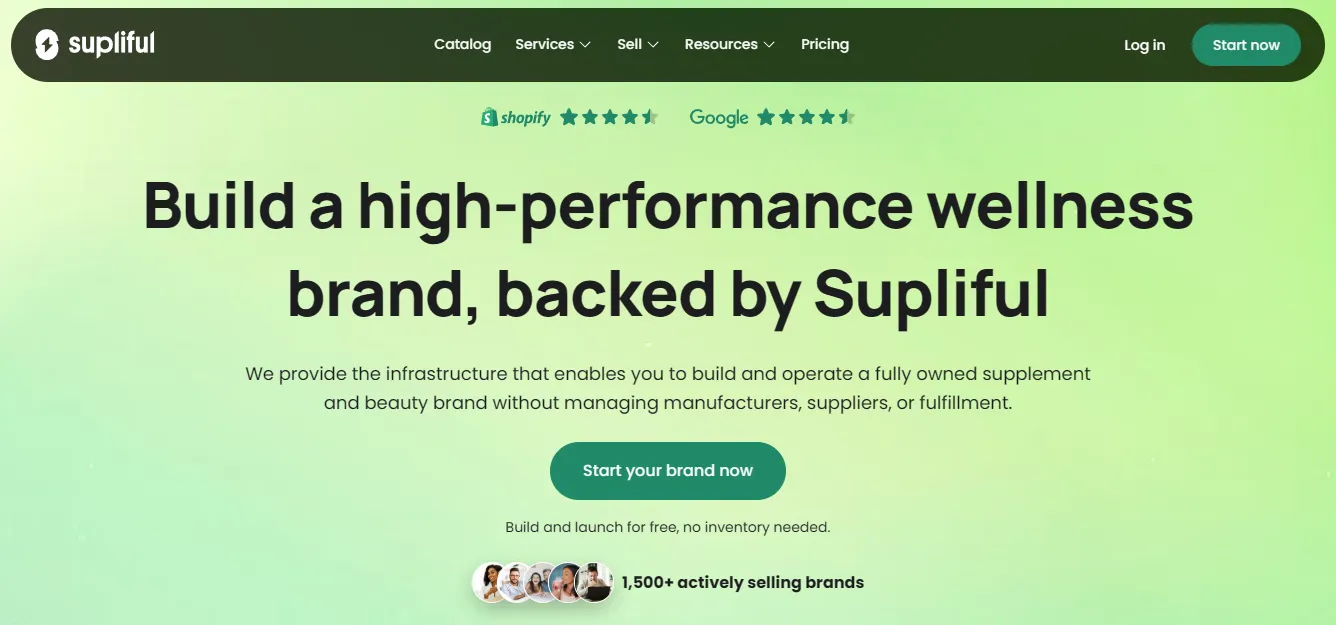
Supliful is one of the easiest ways to start dropshipping supplements in the US. It offers 100+ ready-to-brand products, from vitamins to protein powders, with no MOQ.
Setup takes minutes, making it a strong starting point for total beginners testing ideas.
3. Spocket
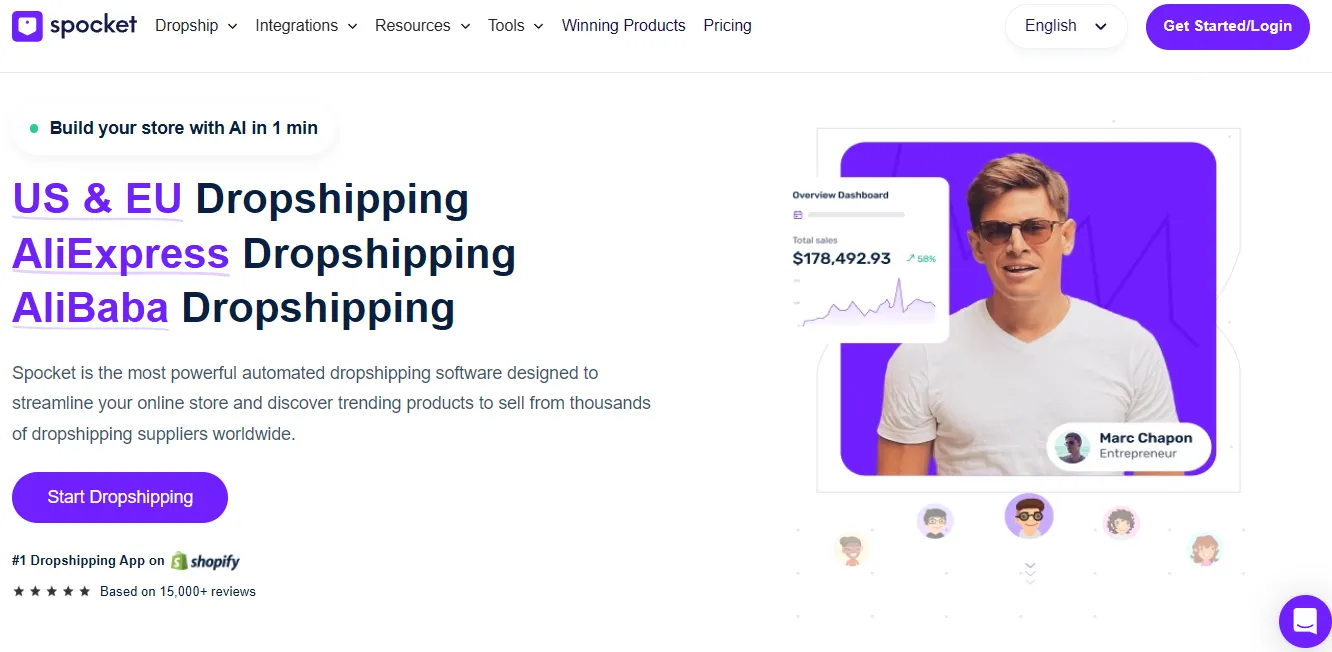
Spocket is a general dropshipping marketplace with a decent selection of US and EU suppliers, including supplements.
The SKU count is limited compared to specialists, but shipping is fast and integrations are smooth. It works best for sellers who want mixed product categories in one store.
4. GreenDropShip
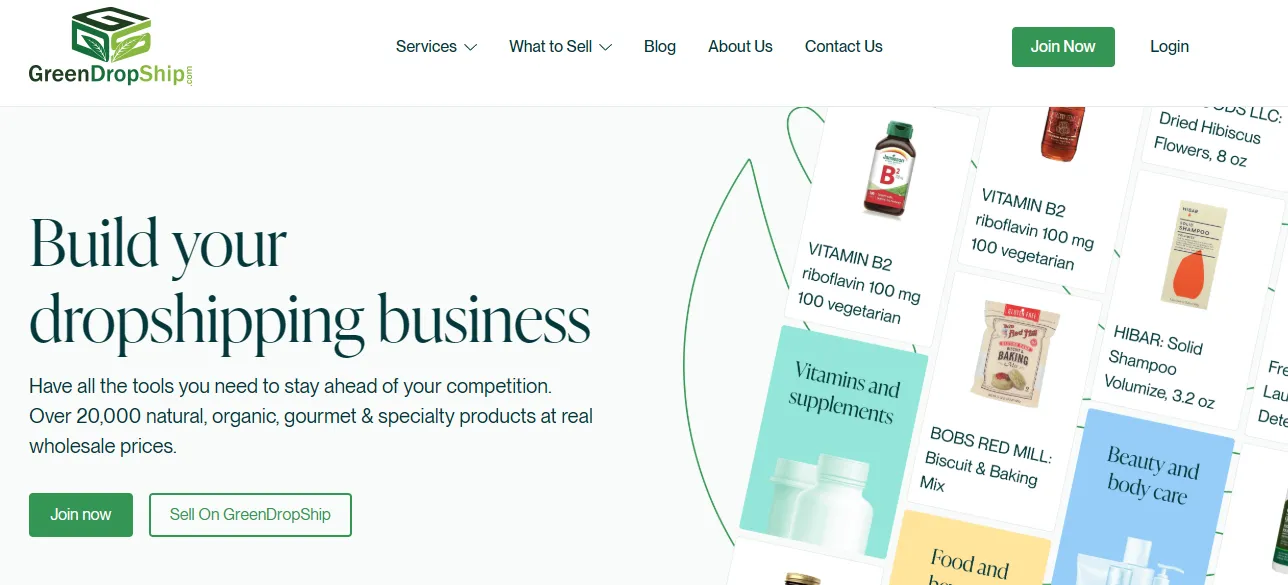
GreenDropShip is a US-based supplier focused on natural and organic products. Its catalog covers supplements, groceries, and personal care.
There's a monthly membership fee, but you get access to real brand-name items. Good fit for stores targeting health-conscious, clean-label shoppers.
5. Makers Nutrition
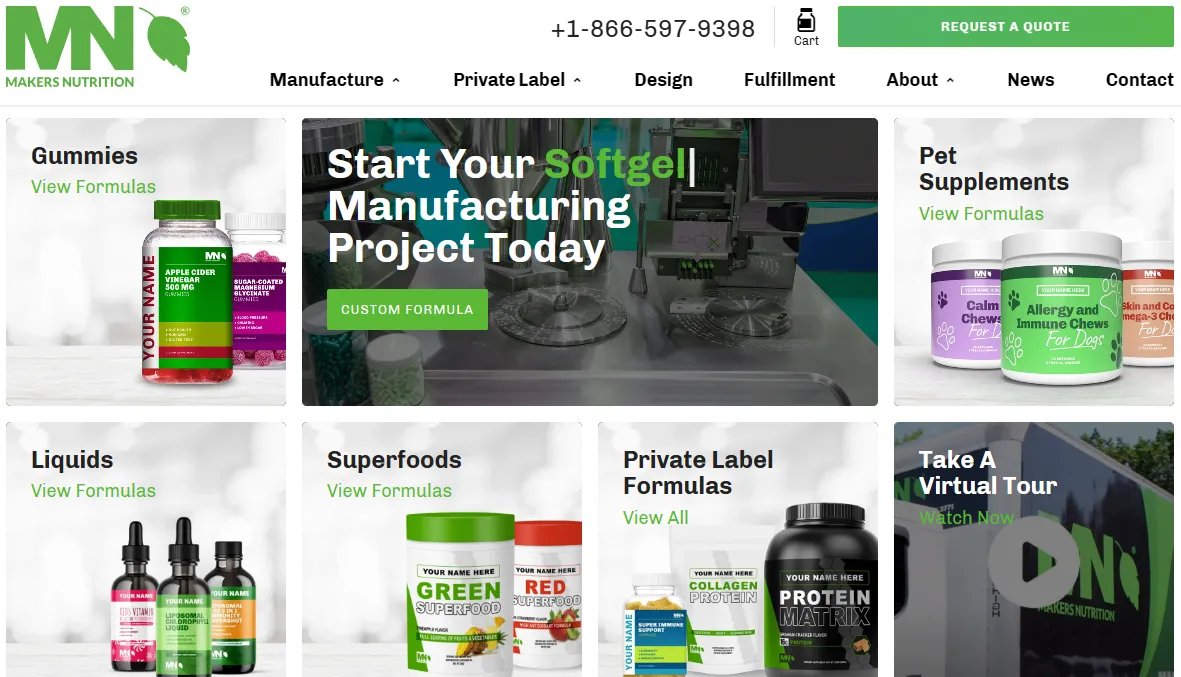
Makers Nutrition is a full-service US manufacturer that handles formulation, packaging, and fulfillment.
Their minimum orders are higher, so it's not built for total beginners. This one suits established brands ready to scale with custom formulas and long-term production planning.
6. Nutribl
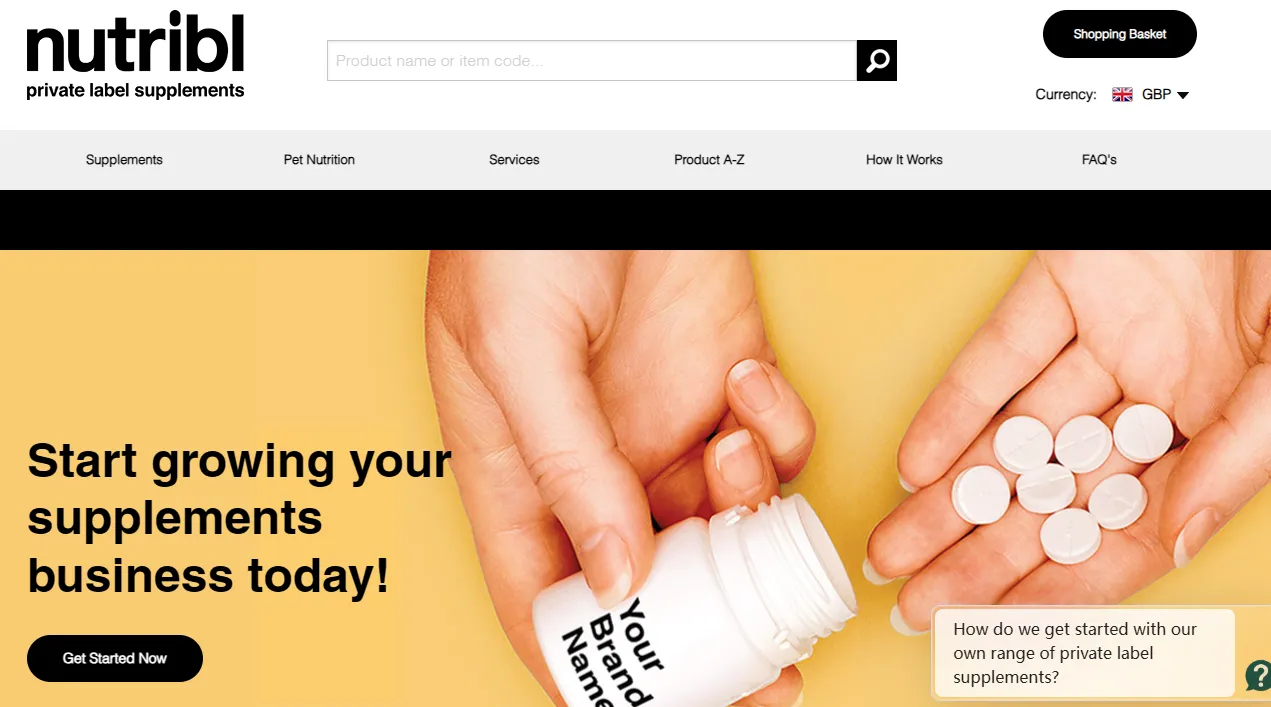
Nutribl is a UK-based GMP-certified manufacturer with 120+ stock formulas and MOQs as low as 10 units.
They offer supplements dropshipping, Amazon FBA, and TikTok fulfillment. It's a solid pick for sellers targeting UK and EU markets who want low-risk private label options.
7. On Demand Fulfillment
On Demand Fulfillment offers 80+ private label supplement SKUs from FDA-registered, cGMP facilities. Orders ship in 24 hours from the USA with no MOQs.
It's a strong choice for founders who care about speed and certifications and fast US delivery to customers.
8. Syncee
Syncee is a global supplier marketplace, not a supplement specialist. You can filter suppliers by region, chat directly, and automate product syncing.
The supplement selection depends on which suppliers you connect with. Best for stores that want variety and flexibility across multiple product categories.
9. Suplify
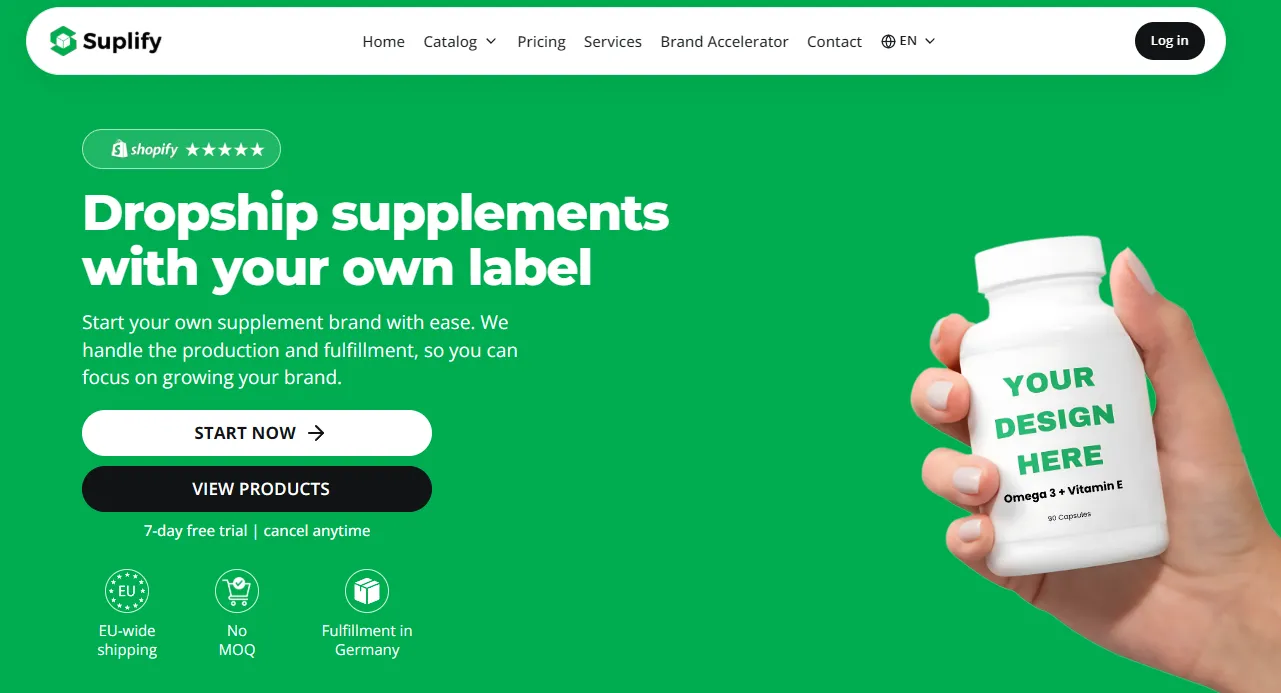
Suplify is a newer Shopify app based in Germany, offering EU-made supplements with no MOQs and 1-day fulfillment across Europe. Products include creatine, collagen, and vitamins.
Great for entrepreneurs launching supplement brands in the European market with low upfront risk.
10. Rapid Fulfillment
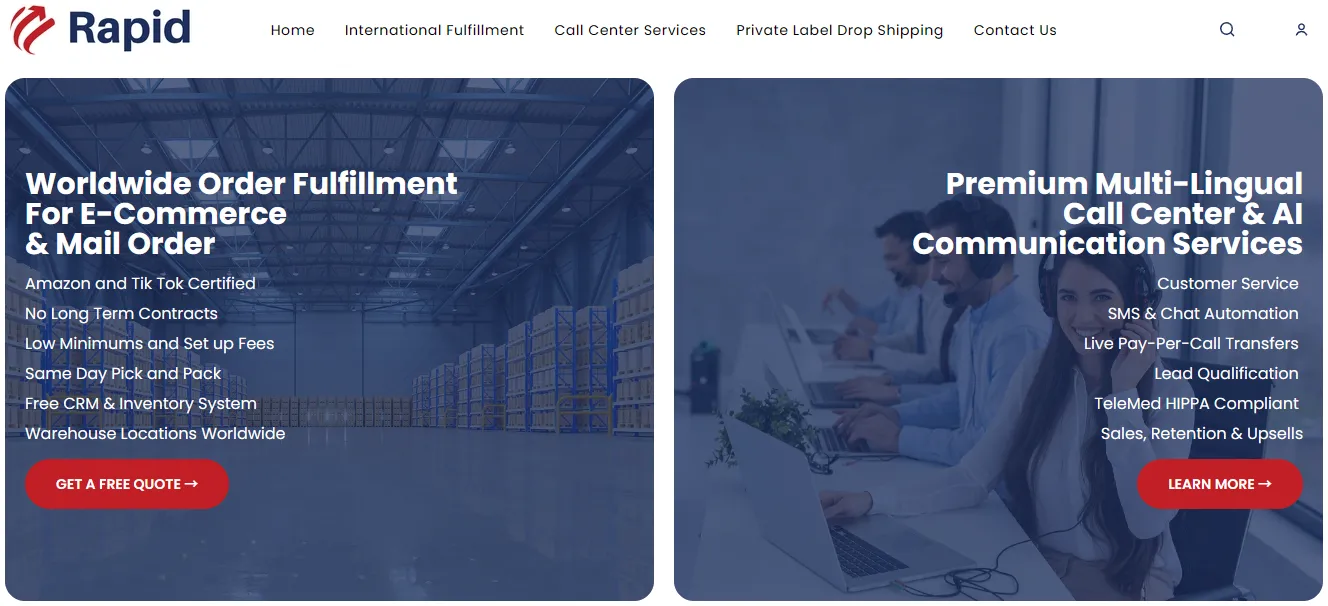
Rapid Fulfillment is a California-based operation with 180+ supplement and skincare SKUs. It combines private label dropshipping, international shipping, and even call center services.
A good fit for brands wanting an all-in-one partner as they grow beyond basic fulfillment.
11. SMP Nutra
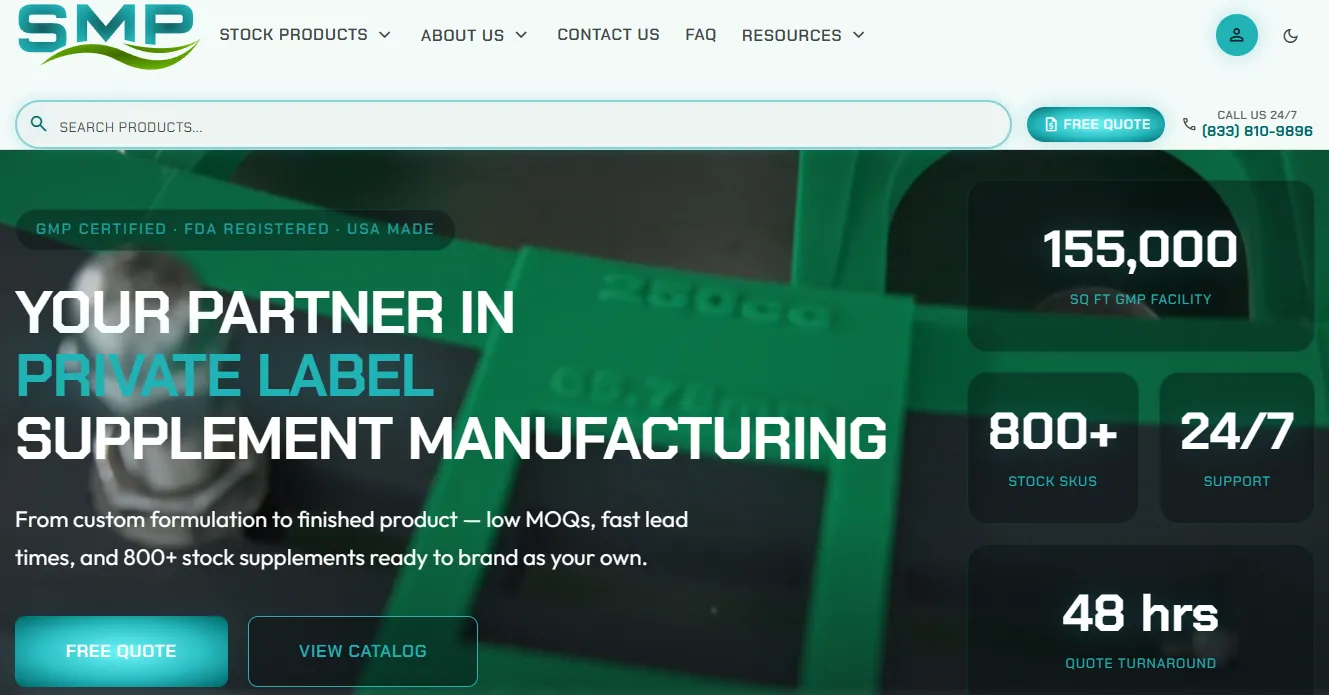
SMP Nutra is a US GMP-certified manufacturer with 250+ stock formulas and custom formulation options. It's more of a 3PL model than pure dropshipping, and MOQs can be higher.
Best suited for sellers with existing sales volume ready to invest in their own inventory.
Key Considerations for Dropship Supplement Partners
Quality and Compliance
Supplements go into people's bodies, so this comes first. Check that your supplier holds GMP certification, works with FDA-registered facilities, and can share third-party lab results.
If they dodge these questions, walk away — one bad batch can end your dropship supplements business overnight.
Shipping and Warehouse Location
Where the warehouse sits decides delivery speed. A US supplier ships domestic orders in 2-5 days, while China-based fulfillment can take 2-3 weeks. Match your supplier's warehouse location to where your customers actually live, or conversion will suffer.
MOQs and Pricing
Some suppliers let you start with one unit, others want hundreds upfront. No-MOQ options are best when testing new products, but bulk pricing usually gives better margins later. Aim for at least a 3-4x markup between cost and retail to survive ad spend and refunds.
Branding and Integrations
Generic bottles don't build brands. Look for private label options where you upload your own logo and label design.
Also confirm the supplier integrates natively with your store — Shopify, WooCommerce, Amazon, or TikTok Shop — so orders flow through without manual work.
6 Supplement Categories Worth Dropshipping in 2026
1. Sports Nutrition
Sports nutrition covers protein powders, pre-workouts, creatine, BCAAs, and recovery formulas. Buyers are usually loyal and repeat often, since they run out of protein every month.
Margins are healthy, and there's a steady flow of new customers coming from gyms, fitness influencers, and home workout trends.
2. Vitamins and Minerals
Vitamins are the safest starting point in this niche. Multivitamins, vitamin D, magnesium, and zinc sell year-round to a wide age range.
Repeat purchase rates are strong because most people take them daily. Ad platforms are also friendlier here compared to weight loss or male enhancement products.
3. Herbal and Botanical Supplements
Ashwagandha, turmeric, ginseng, and elderberry keep trending as people look for natural options. This category rides social media waves well, especially on TikTok.
Just be careful with claims — some botanicals face advertising restrictions on Meta and Google if you promise too much on the marketing side.
4. Functional Health Supplements
Functional supplements target specific problems like sleep, gut health, focus, and immunity. Think melatonin, probiotics, nootropics, and elderberry gummies.
These products have clear pain points you can market around, which makes ad creative easier to write and conversion rates tend to be higher.
5. Beauty and Wellness Supplements
Collagen, biotin, hair-skin-nails formulas, and greens powders dominate this space. The audience skews female and buys often, especially through Instagram and TikTok Shop.
High customer lifetime value makes this category great for subscription models, since users stick around for the long-term visible results.
6. Weight Management Supplements
Weight management has huge demand but also the strictest rules. Fat burners, appetite control, and metabolism boosters sell well, but Meta, Google, and TikTok all limit what you can say in ads.
Enter this category only if you're ready to handle strict ad compliance and higher return rates.
Meta vs Google vs TikTok: Supplement Ad Policies Compared
Ads are where most supplements dropshipping stores get stuck. Each platform plays by different rules, and one wrong move can shut your account down.
What Ingredients Get Blocked
Some ingredients just won't fly. CBD, kratom, SARMs, DMAA, and anything labeled "male enhancement" hit walls on all three platforms.
Meta and Google slam the door hardest. TikTok used to be looser, but that gap is closing in 2026, so don't count on it.
What You Can't Say
Never claim your product "cures" anything or promises "fat loss in 7 days." That kind of copy gets flagged before a human even sees it. Safer wording sounds like "supports energy" or "helps with sleep" — dull, but it clears review.
Rules Around Creative
Before-and-after photos are dead on Meta and shaky on TikTok. Same goes for copy that points at the viewer — "struggling with belly fat?" gets killed on sight. Show someone enjoying life, and describe the problem without accusing anyone.
Certification and Audience Limits
Google wants LegitScript approval for US supplement ads (roughly $995 a year). Meta tags supplement campaigns as health-related, which cuts your retargeting pool by 40-70%. Expect to lean on cold traffic more than you'd like.
The Short Version
- Meta: harsh on creative, huge reach
- Google: paperwork-heavy, great for search buyers
- TikTok: still the loosest, but tightening month by month
How to Get Ungated for Supplements on Amazon
If you want to dropship supplements on Amazon, expect an approval process before your first listing goes live. You can't just list a bottle and start selling — you need approval first. Here's what actually works.
Why Amazon Gates Supplements
Supplements go inside people's bodies, so Amazon screens sellers carefully. Fake products, unsafe ingredients, and misleading claims all create legal risk for the platform.
Ungating filters out low-quality sellers and protects buyers from sketchy listings that could cause real harm.
Documents You Need
Getting approved comes down to paperwork. Amazon wants proof your supply chain is legit and your product is safe. Have these ready before you apply:
- 3 recent invoices from your supplier (within the last 6 months)
- Clear product and label photos showing all ingredients
- Certificate of Analysis from a third-party lab like Eurofins or NSF
- Supplier business license and verifiable contact info
Missing even one document usually means instant rejection, so double-check everything before submitting.
Brand Registry Speeds Things Up
Register your brand with Amazon Brand Registry before applying for ungating. It requires an active trademark, which takes 6-9 months in the US, but the payoff is huge.
Brand Registry speeds up approval, protects your listings from hijackers, and unlocks A+ Content plus better ad tools down the road.
The $3000 Fee Myth
You may have seen posts about a "$3000 supplement fee." That's outdated info from an old Amazon professional services program that no longer applies to most sellers. Standard ungating is free to apply — you just need clean documentation and a real supply chain behind your products.
Realistic Timeline
Expect the whole process to take 2-6 weeks if your paperwork is clean. Some sellers get approved in days, others get stuck bouncing through appeals for months.
Respond quickly whenever Amazon asks for more info during review — slow replies stall your application and can push you back to the start.
Expert Tips
Learning how to dropship supplements takes work, but the payoff is real. You now know the top 11 suppliers, the categories worth selling, and how to handle ads and Amazon.
Start small. Pick one supplier that fits your market, test a few products, and watch what sells before you scale.
Focus on quality partners, honest marketing, and clean compliance. Do those three things well, and you'll stay ahead of most beginners in this space.
FAQs
Is dropshipping supplements legal?
Yes, as long as you follow the rules. Stick with GMP-certified suppliers, keep your labels accurate, and skip any health claims that promise cures or quick fixes on your store.
How much profit can you make dropshipping supplements?
Margins usually land between 30% and 60% per bottle. After ad spend and refunds, most sellers keep 15-25% profit. Subscription buyers make the numbers look much better long-term.
Which supplements should you avoid dropshipping?
Skip CBD, kratom, SARMs, and anything sold as "male enhancement." Ad platforms block them, Amazon won't approve them, and legal trouble follows sellers who push these products anyway.
Can you sell supplements on Amazon and Shopify at the same time?
Yes, and most serious brands do. Shopify gives you brand control and customer data. Amazon brings volume. Just keep your pricing consistent so neither channel undercuts the other.
Share article


Written by

Supply chain background | Covers sourcing and cross-border logistics | Curious about what works in dropshipping and what doesn't

 Early access

