
Ready to try BrandSKU?

Starting a store online usually sounds expensive. It doesn't have to be. You can figure out how to start a dropshipping business with no money if you're okay swapping upfront cash for some extra work.
This guide breaks it down into 7 steps—niche, suppliers, sales channel, content, and the cash flow stuff most guides skip. Nothing here needs a big budget. Just time and a bit of patience.
What Is Dropshipping and How Does It Work
What Is Dropshipping
Dropshipping is a retail model where you sell products without holding any stock. When a customer buys from your store, you forward the order to a supplier, who ships it directly to the buyer.
You never touch the product, and you only pay the supplier after the customer pays you. Your job is finding buyers, not managing a warehouse.
How Does It Work
The flow is simple on paper. You list a product on your store for $30. A customer places the order and pays you. You then send that order to your supplier and pay them the wholesale price, say $12.
The supplier packs and ships it under your store's name. The $18 difference is yours, minus ad spend and platform fees.
Can You Really Start Dropshipping With No Money?
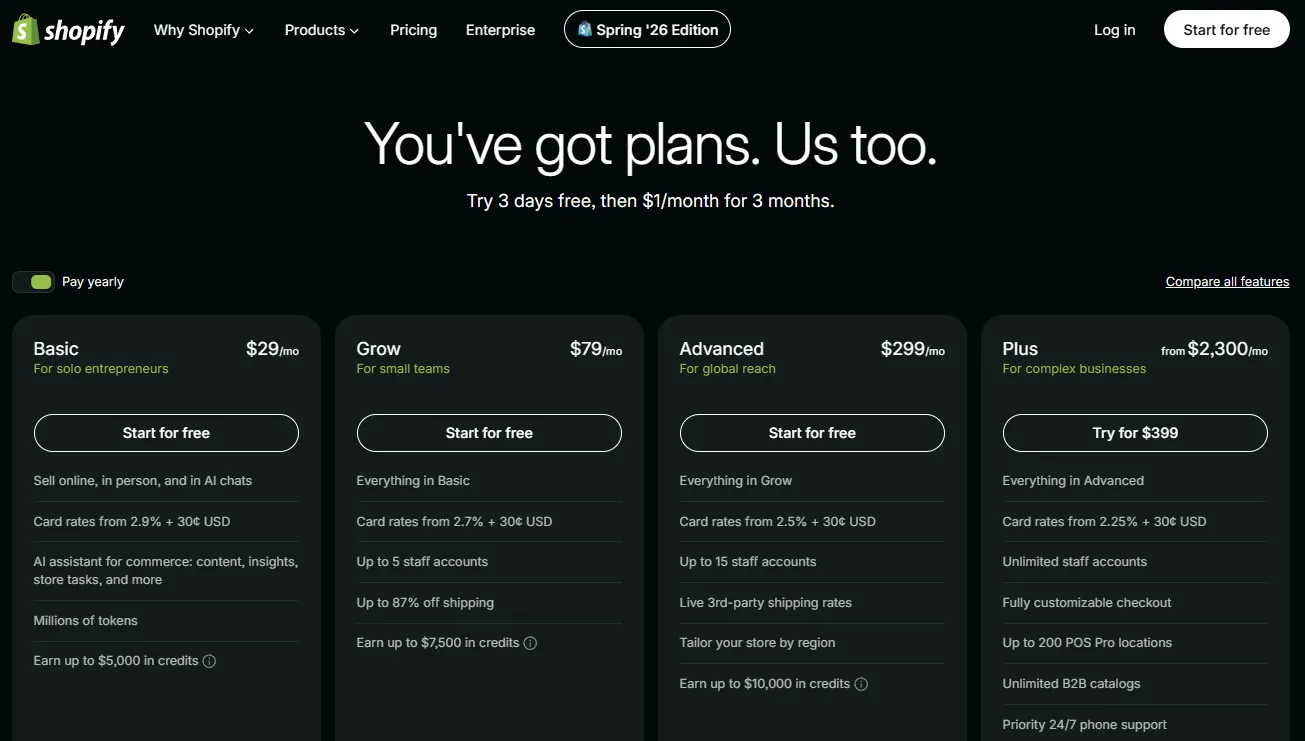
Yes, but it's hard. Early on, you can stretch free trials and no-fee tools to keep spending near zero. Shopify runs a $1 trial. AliExpress doesn't charge to sign up. TikTok Shop and Facebook Marketplace let you sell without a store at all. Enough to launch without paying anything upfront.
Here's what you can do for free:
- Use TikTok Shop or Facebook Marketplace instead of paid platforms
- Pick suppliers with no monthly fees, like AliExpress or BrandSKU's free plan
- Grow through organic content rather than ads
What you can't skip: a small cash reserve, usually $50 to $150, to pay suppliers while payouts are held. Treat it as a working float, not a startup cost. You'll get it back after your first few orders clear.
How to Start a Dropshipping Business With No Money in 7 Steps
Step 1: Pick a Niche You Actually Understand
Skip the trending product lists. Everyone's chasing the same viral items, and you'll lose to sellers who can outspend you on ads.
Go with something you already care about—guitar gear if you play, dog stuff if you own one. When you know the buyer, you write better descriptions and can tell which supplier reviews are fake. That matters more than any research tool when you're broke.
Step 2: Find Suppliers That Don't Require Upfront Fees
Most beginners head straight to AliExpress or CJ Dropshipping. That works, but shipping from China can take 15 to 30 days, and refunds pile up fast. Look at these options:
- AliExpress: huge catalog, no signup fee, slow shipping
- CJ Dropshipping: US warehouses available, faster delivery
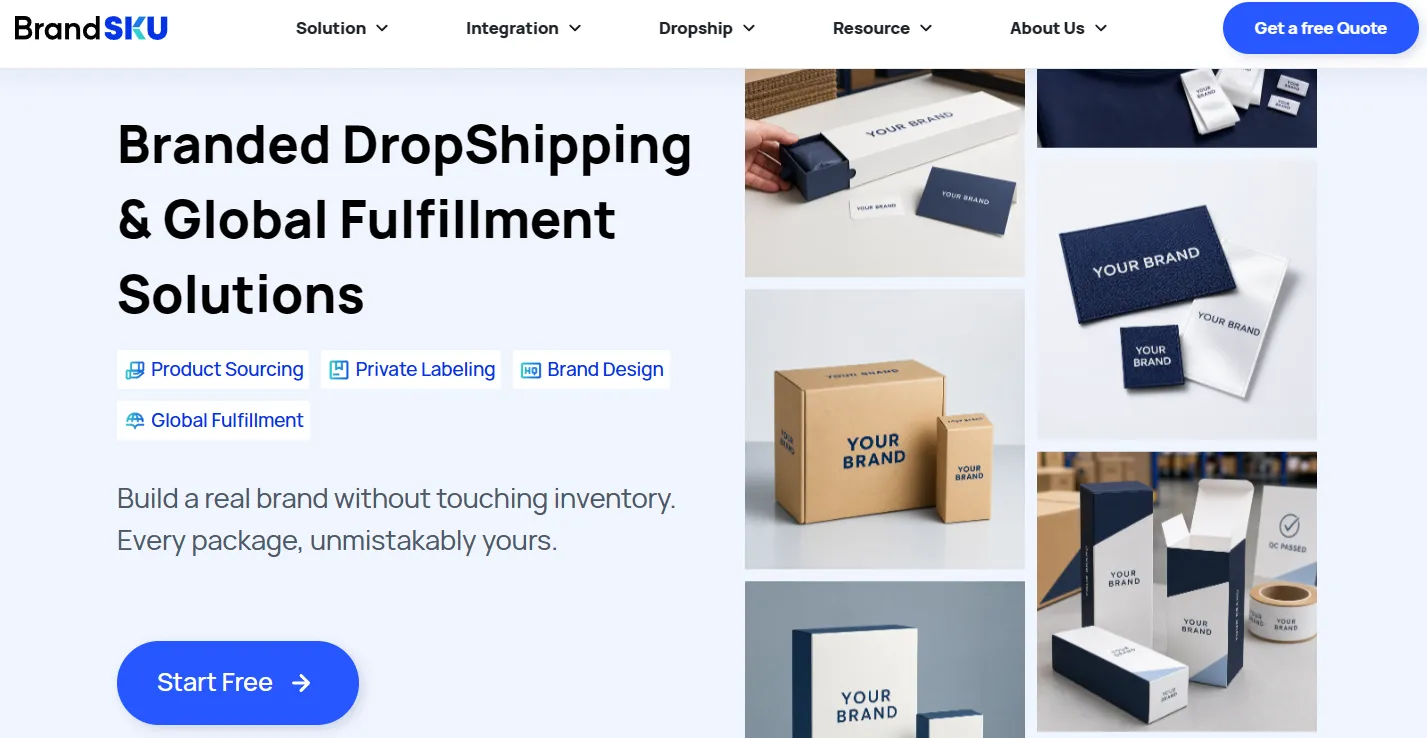
- BrandSKU: focused on branded dropshipping with custom packaging and private labels; also covers larger, non-standard items like furniture and lighting that most platforms skip
Pick suppliers who charge per order, not monthly. And always order one sample yourself before listing—yes, that costs money, but selling a product you've never seen is how you get chargebacks.
Step 3: Choose a Free or Low-Cost Sales Channel
Shopify's $1/month trial is the usual pick, but it runs out. If you truly have $0, start on a free platform first:
- TikTok Shop (no store needed, just an account)
- Facebook Marketplace (local, cash-friendly)
- Instagram with a link-in-bio tool like Beacons
These aren't as polished as a real store, but they let you test whether people actually want your product before you pay for hosting and a domain.
Step 4: Build the Store (or Skip It for Now)
If you go with Shopify or WooCommerce, keep it minimal. One homepage, one product page, a basic about page, and shipping/refund policies. That's it.
Don't waste days picking themes. Use a free theme like Dawn on Shopify and move on.
Product photos come from your supplier, but rewrite every description in your own words. Copy-pasted descriptions tank your SEO and make your store look like every other dropshipper's.
Step 5: Create Content Instead of Buying Ads
Paid ads eat cash you don't have. Organic content is slower but free. Pick one platform and post daily:
- TikTok: short demos, before/after clips, honest reviews
- Reels: same idea, different audience
- Pinterest: works well for home, fashion, and craft niches
You don't need samples for every video. Use supplier-provided clips with your own voiceover, or film reaction-style content responding to your niche's problems. Consistency matters more than production quality here.
Step 6: Handle the Cash Flow Gap
Here's what "no money" guides skip: your supplier charges you before your customer's payment clears. If you sell $30 of product and the supplier wants $12 today, but Shopify Payments holds your payout for 5 days, you need $12 somewhere. Options:
- A credit card with enough limit to float 10–20 orders
- Ask family for a $200 loan you'll repay in a week
- Start with pre-orders and set expectations upfront
Ignoring this step is why most $0 stores stall after their first sale.
Step 7: Reinvest Every Dollar for the First 90 Days
Don't pay yourself. Whatever profit comes in goes back into ads, better product samples, or a paid Shopify plan once organic traffic proves the niche works.
Track two numbers only: cost per order and profit per order. If profit per order stays above $10 consistently, you have something worth scaling. If not, kill the product and test another one.
Most people quit at week 3. The ones who make it past 90 days aren't smarter—they just didn't stop.
How to Create Product Content Without Buying Samples
Ask Suppliers for Video Rights
Message your supplier directly and ask for permission to use their promo clips. Most say yes because it drives their sales too. Get it in writing over email so you're covered if platforms flag the content.
Request a Sponsored Sample
Pitch suppliers on a micro-affiliate deal: they send one free sample, you post content and tag them. Small suppliers on AliExpress or BrandSKU often agree if you show even a basic TikTok account with real posts.
Use Stock Footage With Custom Voiceovers
Pexels and Pixabay have free clips of people cooking, working out, unpacking boxes—whatever fits your product. Drop your own voiceover on top explaining what the product does. Looks original, avoids copyright hits.
Film Reaction and Commentary Content
You don't actually need the product to talk about it. Record yourself reacting to Amazon reviews, comparing two options, or answering questions buyers keep asking. Face-to-camera stuff usually beats polished product shots on TikTok anyway.
Repurpose With Heavy Edits
Using supplier footage raw is the fastest way to get flagged. Speed it up, zoom in, throw on text overlays and different audio. TikTok's duplicate detection is aggressive, so change enough that it doesn't read as a copy.
How to Manage Cash Flow in Dropshipping Business
Expect Payment Holds on New Accounts
Stripe, PayPal, and Shopify Payments treat new dropshipping stores as risky. They can freeze payouts for 7 to 180 days or hold 10–20% as reserve. Verify your account early with a business address and ID to shorten this.
Budget for the Payout Gap
Even without a hold, payouts take 2 to 5 business days to hit your bank. Suppliers charge you the moment the order goes in. Keep $100 to $300 on hand as a working float to bridge that gap.
Use a Credit Card as a Buffer
A credit card with a decent limit lets you pay suppliers instantly while customer money clears. Pick one with a billing cycle long enough to cover payout delays, and pay it off in full when payouts land.
Set Realistic Refund Buffers
Refunds don't wait for your next sale. Set aside a small pool—maybe 10% of revenue—so a couple of chargebacks don't wipe out your working capital. New stores get more disputes than experienced ones, so plan for it.
Ship Fast to Speed Up Payouts
Some processors release funds faster once tracking numbers go live. Upload tracking info the same day you fulfill. It builds your account history and can shrink hold times over the first few months.
Why Most $0 Dropshipping Stores Fail
They Run Out of Cash Before the First Payout
The math looks fine on paper, but new stores hit a wall when Shopify Payments freezes their first few payouts.
Without a cash buffer, orders pile up unfulfilled, customers complain, and the store gets suspended before it even starts earning.
They Skip Testing Products
Zero-budget sellers grab whatever's trending on TikTok and list it without ordering a sample.
Then the first customer gets a broken item and files a chargeback. One bad product can drain your working capital and tank your seller rating in a week.
They Rely on Copied Content
Reusing supplier videos or scraping other creators' TikToks feels free, but it triggers copyright strikes and duplicate content filters.
Your reach dies, your account gets flagged, and the "free traffic" plan collapses. Original content takes longer but actually compounds.
They Pick Saturated Niches
Phone cases, LED lights, posture correctors—everyone starts here. You're competing against sellers with real ad budgets, faster shipping, and years of reviews.
Pick a niche where you have personal knowledge and less competition, even if the market feels smaller.
They Quit Too Early
Most stores die in weeks 2 to 6, right before organic content starts working. If you post daily on TikTok, algorithm traction usually kicks in around 60 to 90 days. Quitting at day 30 is the single most common reason $0 stores fail.
Expert Tips
Learning how to start a dropshipping business with no money is possible, but it takes patience. You'll need a small cash buffer, a niche you understand, and content you make yourself. Skip the shortcuts.
Pick suppliers with no monthly fees. Post daily on free platforms. Save every dollar for the first 90 days. Most people quit before their store gains traction, so just staying in the game puts you ahead. Start small, learn fast, and let your first sales fund the next step.
FAQs
Can I start dropshipping with no money?
Not fully. You'll still need a small buffer, around $50 to $150, to pay suppliers before customer payouts clear. Everything else—your store, suppliers, and traffic—can run on free tools.
What do I need to start dropshipping for free?
A free sales channel like TikTok Shop or Facebook Marketplace, a supplier that charges per order, and a phone to shoot content. Skip paid ads and grow through organic posts instead.
Is $100 enough for dropshipping?
It's tight but workable. That amount covers your first few supplier payments while payouts are on hold. Just don't spend it on ads. Put every dollar toward fulfilling early orders.
Is dropshipping on Amazon free?
No. Amazon requires a seller account, and the Individual plan charges $0.99 per item sold. Pro accounts cost $39.99 monthly. Amazon also has strict rules against most third-party dropshipping.
Is dropshipping still profitable in 2026?
Yes, but margins are thinner than a few years ago. Success now depends on branding, faster shipping, and picking niches with less competition. Generic products from AliExpress rarely work anymore.
Share article


Written by
Online retail background | Covers dropshipping and suppliers | Writing about the daily grind of running a small store

 Early access

