





Starting a dropshipping store in 2026 isn't hard. Doing it in the right order is. Most new sellers burn cash on ads before they've picked a real niche, choose suppliers on price alone, and price products without knowing their true costs.
The dropship blueprint in this handbook walks you through the sequence that saves time and money — from picking a niche to vetting suppliers, doing honest margin math, and building traffic that keeps working. No hype, just the essentials you actually need to launch.
Key Takeaways
- Validate products with a $50 test before spending on branding or a full store build.
- Order samples from every supplier and secure a backup for your top three SKUs.
- Real net margins land near 5-10% once fees, ads, and holdbacks are counted.
- Gift products to 20-30 micro-influencers instead of paying one big creator.
Why Start a Dropshipping Business This Year?
A seller in Ohio can list a product tonight, get their first order from Berlin tomorrow morning, and never touch the package. That's dropshipping in 2026 — and the global market for it now sits at $583.5 billion, growing more than 20% a year.
The setup is lighter than most side projects. No warehouse, no bulk orders, no staff. A laptop, a store platform, and a handful of tested products get you open.
Better supplier tools and faster shipping options have also closed the gap with traditional retail, which means 2026 is a friendlier starting line than most people realize.
The Dropship Blueprint: How to Get Started Step by Step
Step 1: Pick a Niche, Then Narrow It Again
"Fitness" is not a niche. "Resistance bands for people rehabbing knee surgery" is. The dropship blueprint starts here for a reason — the tighter the audience, the easier the marketing writes itself and the less you compete with every generic store on Shopify.
Spend a weekend on Reddit threads and Amazon reviews in your space before you commit — the language buyers use there becomes your product copy later.
Step 2: Validate With $50, Not $500
Before touching a store theme, prove people want the product. Run a small ad to a simple landing page, post a demo video on TikTok, or list on eBay.
If a $50 test brings zero interest, no amount of branding will save it. If it brings clicks and sign-ups, you've earned the right to build.
Step 3: Vet the Supplier Like You'd Vet a Roommate
Order a sample. Time the shipping. Message their support with a fake complaint and see how fast they reply.
Ask what happens when your best product goes out of stock — vague answers here mean angry customers later. Line up a backup supplier for your top three SKUs before you need one.
Step 4: Build a Store That Answers Objections
Buyers don't leave because your theme is ugly. They leave because they can't find the shipping time, the return policy, or a photo that looks like the product will look on their doorstep.
Write descriptions that answer the question "why should I trust this store I've never heard of?" — that's the whole job of the homepage.
Step 5: Do the Real Math Before Setting Prices
Product cost, shipping, transaction fees, ad spend, refund rate, chargebacks, and the 10-20% payment processors sometimes hold for 90 days. Add all of it, then set your price.
Selling at 3x product cost sounds smart until the fees eat two-thirds of what's left. Net margin is the only number that matters.
Step 6: One Traffic Channel, Six Weeks
Pick paid ads, organic short-form video, or influencer gifting — one — and work it for six weeks before judging.
Splitting attention across three channels in month one is how new sellers burn cash and learn nothing. Track conversion rate, cost per order, and repeat purchase rate. When one channel is working, add the next.
Blueprint Math: The Real Cost of a Dropshipping Sale
Payment Processing Takes a Bite First
Every time a card is charged, the processor takes 2.9% plus $0.30. On a $30 order, that's about $1.17 gone before you've paid for anything else. It sounds small until you multiply it across a hundred orders a week — that's over $450 a month, quietly.
Platform and App Fees Add Up Fast
A Shopify plan runs $29 to $299 a month, and most stores stack five to ten apps on top — reviews, upsells, email, tracking. Each looks cheap alone, but $15 apps add up to $100+ monthly. Budget for the whole stack, not just the platform.
Ad Testing Burns Cash Before It Earns
Finding a winning ad usually costs $200 to $500 in testing before one creative starts converting profitably. That spend happens whether you make sales or not.
Treat ad testing as tuition, not a cost per order — it's the price of learning what your audience actually clicks.
Chargebacks and Refunds Hit Twice
A chargeback costs the refund plus a $15 to $25 dispute fee, and the ad spend that brought that buyer is gone too. Refunds work the same way.
Even a 2% refund rate on 200 orders means you're eating four full ad costs a month with nothing to show.
Payment Holdbacks Freeze Your Cash
New Shopify Payments and PayPal accounts often hold 10-20% of your revenue for 90 days as a reserve. That money is yours — you just can't spend it on the next round of ads or inventory.
Plan cash flow around what actually lands in your bank, not what the dashboard shows.
The Real Number at the Bottom
Add it all up and a $30 sale rarely leaves $20 in your pocket. After processing, product cost, shipping, ads, apps, and refund exposure, the honest net margin on most dropshipping orders sits around 5-10% — not the 60%+ the markup rule promises.
This is why the dropship blueprint puts pricing after supplier vetting, not before. Price for that reality, or you'll run a busy store that never pays you.
6 Dropshipping Suppliers Worth Considering in 2026
BrandSKU
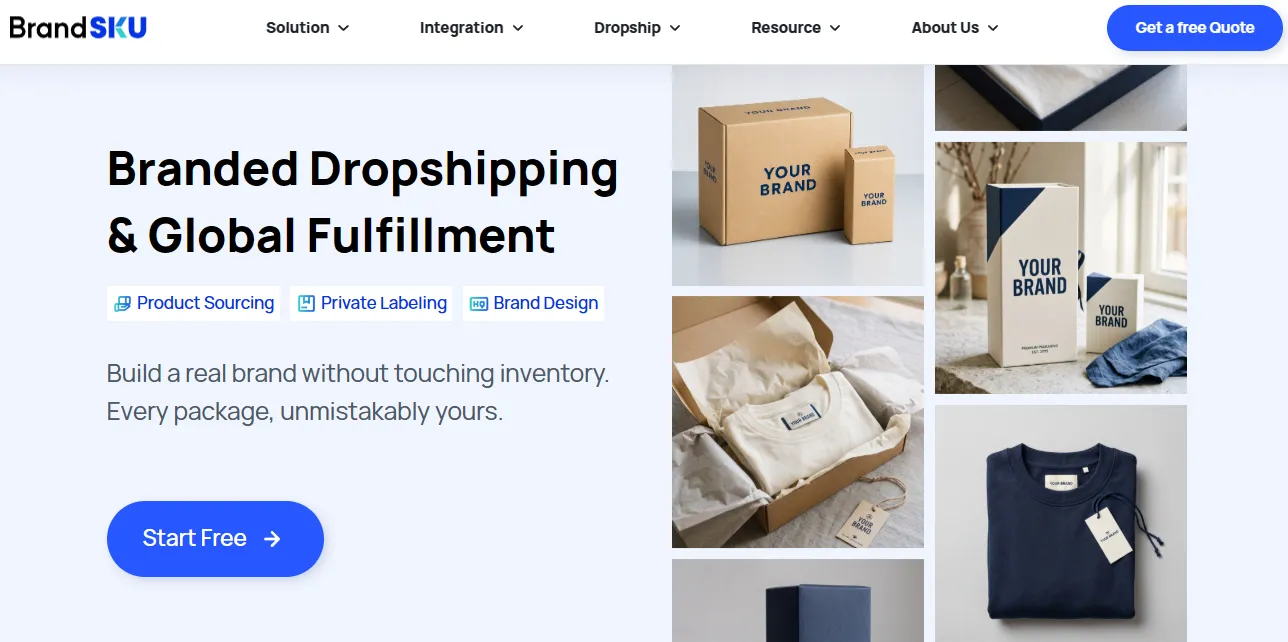
BrandSKU focuses on sellers who want to launch a private-label brand without ordering pallets upfront. Their strength is branded products — private-label jewelry, apparel, and accessories with your logo on the packaging and inserts.
They also offer print-on-demand services, so you can add custom designs to products one order at a time with no inventory risk. Good pick if you care more about building something defensible than chasing whatever's trending this week.
CJ Dropshipping
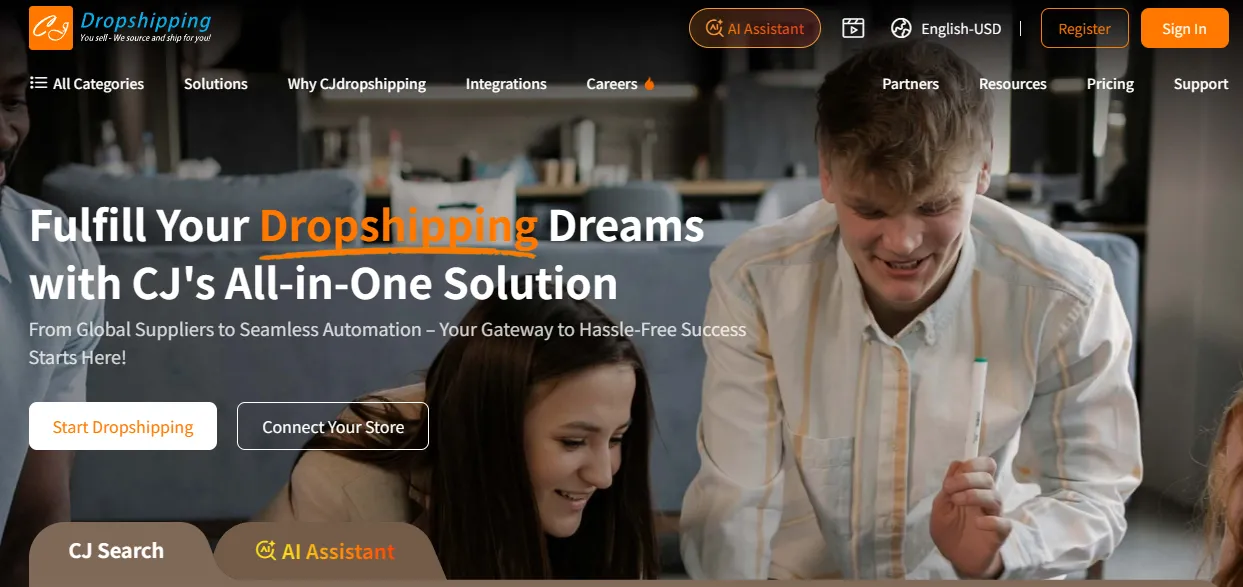
CJ Dropshipping is the natural next step after AliExpress. You get global warehouses, in-house quality checks, and a sourcing team that can hunt down products you spot on TikTok but can't find listed.
Custom packaging is available too, with 500+ options, which makes it easier to look like a real brand instead of a random reseller.
AutoDS
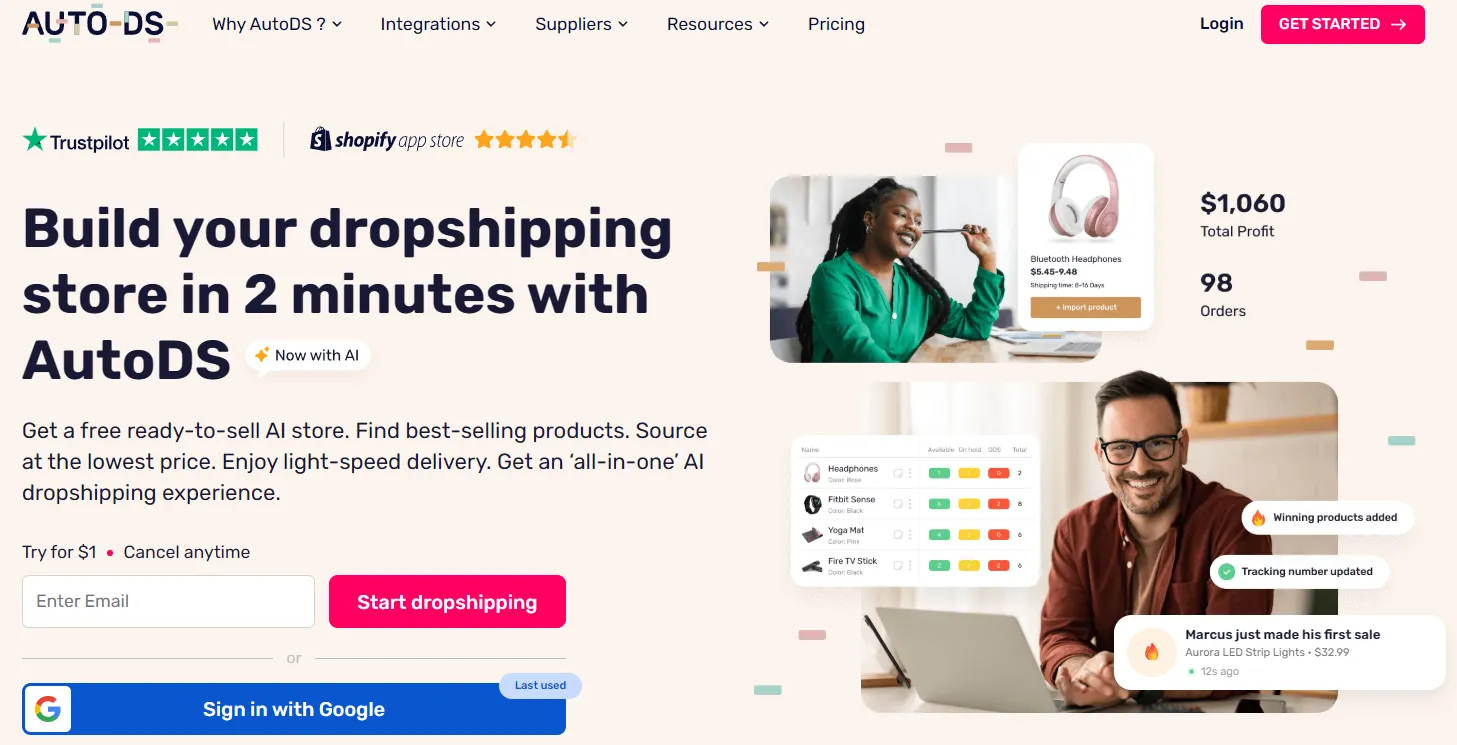
AutoDS is less a supplier and more a control tower. It plugs into Amazon, Walmart, AliExpress, and others, and updates prices and stock every 60 minutes so you don't oversell or lose margin overnight.
Best for multi-channel sellers running eBay, Etsy, Shopify, and Amazon at the same time who need automation to keep things straight.
Zendrop
Zendrop is built for beginners who want a clean, simple workflow. Product catalog, one-click imports, branded invoices, and faster US shipping on many items.
If you're setting up your first store and don't want to wrestle with settings, Zendrop's beginner-friendly setup gets you selling faster than most alternatives on this list.
Spocket
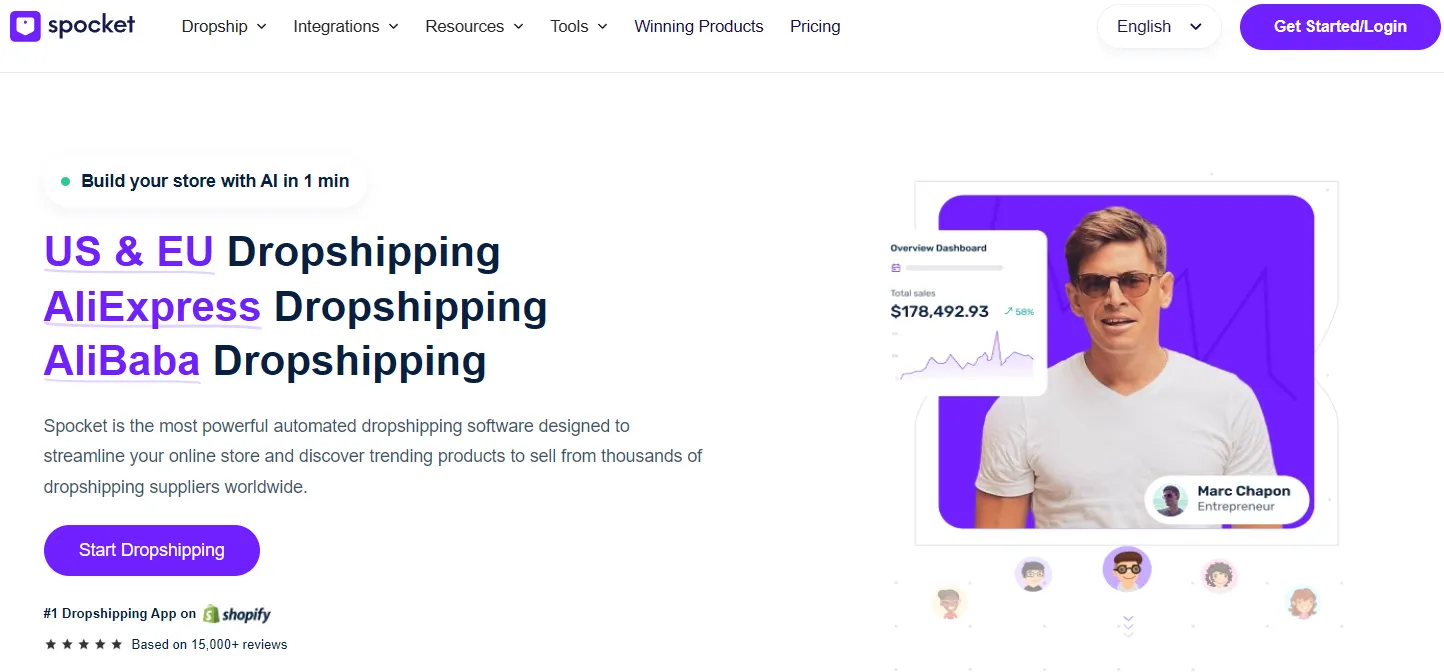
Spocket's edge is location. Most of its suppliers ship from US and EU warehouses, which means 2-5 day delivery instead of 2-3 weeks.
That shorter wait cuts refund requests and makes customers more likely to reorder. Slightly higher product costs, but the trade is usually worth it for stores targeting Western buyers.
USAdrop
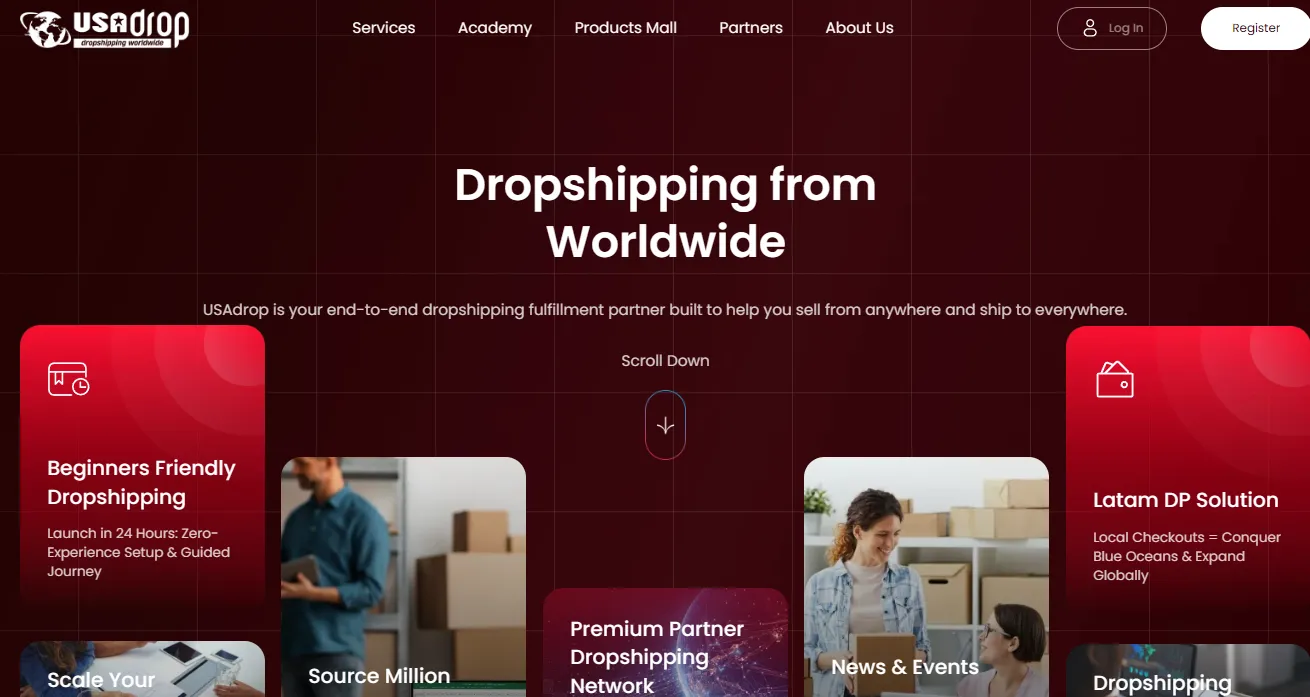
USAdrop sits between a platform and a private agent. You get an assigned sourcing agent, factory-direct quotes, quality inspections, and custom packaging — services usually reserved for high-volume sellers.
Solid pick once you're doing 50+ orders a month and ready to squeeze better margins out of a proven product.
How to Build Organic Traffic for Your Dropshipping Store
Post Short Videos Where Buyers Already Scroll
TikTok and Instagram Reels still reward new accounts with real reach if the first three seconds hook people. Post one product demo or before-and-after clip daily for 30 days — most will flop, but one or two will pull thousands of free views and send buyers straight to your store.
A repeatable formula helps you stop guessing. Rotate three video types:
- Unboxing — the box, the reveal, the first reaction
- Problem-solution — show the pain, then show your product fixing it
- "3 ways to use this" — quick, useful, easy to save and share
The algorithm learns your pattern faster this way, which usually means steadier reach.
Turn Customers and Micro-Influencers Into Your Content Team
User-generated content converts better than anything you film yourself because it looks real. Two ways to get a steady supply without a big budget:
- Customer clips — offer a discount code or free item in exchange for a short video review, then repost with permission
- Micro-influencer gifting — skip anyone over 100K followers; send free products to 20-30 creators in the 5K-50K range and let them post naturally
Even a 30% post-rate from that group gives you a month of authentic content and social proof for less than one paid ad campaign.
Show Up Where People Are Already Searching
Reddit threads, Facebook groups, and Quora answers rank on Google for years. Find posts where people ask about problems your product solves, and leave a genuinely helpful reply — not a sales pitch. One useful answer with a soft mention can drive long-tail traffic months after you post it.
Capture Emails So Traffic Pays Off Twice
Every organic visitor who leaves without buying is a free lead you shouldn't waste. A simple 10% off pop-up converts 3-5% of traffic into subscribers, and three basic flows do the follow-up selling for you:
- Welcome email — introduce the brand, deliver the discount
- Abandoned cart — remind, reassure, close the sale
- Post-purchase — thank, upsell, ask for a review
Set them up once, and they work on autopilot — same traffic, more revenue.
Expert Tips
Dropshipping in 2026 rewards planning over speed. Pick a tight niche. Test before you spend. Vet your suppliers. Know your real numbers. Build traffic that keeps working after you stop paying.
None of it is complicated. It just takes the right order — which is exactly what the dropship blueprint gives you. Start small, track what matters, and let each win fund the next. Your first sale is closer than you think.
FAQs
How much money do I need to start a dropshipping store in 2026?
Plan for $300 to $500 to cover a Shopify plan, a domain, a few product samples, and a small ad test budget. You can start leaner, but that range keeps you moving without cutting corners.
Is dropshipping still profitable in 2026?
Yes, though margins are tighter than they were five years ago. Sellers who pick a focused niche, watch their true costs, and build a real brand still hit 15-20% net margins consistently.
Is dropshipping dead in 2026?
Not even close. The global market crossed $580 billion this year. What's dying is the lazy version — generic products, copied ads, no branding. Thoughtful stores are doing better than ever.
How long before I see my first sale?
Most new sellers see their first order within two to six weeks of launching, depending on the traffic channel. Paid ads move faster; organic content takes longer but costs less upfront.
Can I run a dropshipping business alongside a full-time job?
Absolutely. Two focused hours a night is enough to get started, since suppliers handle fulfillment. Use automation tools for order routing and email flows so the store keeps working while you're at work.
Share article


Written by

Online retail background | Covers dropshipping and suppliers | Writing about the daily grind of running a small store

 Early access

