
Ready to try BrandSKU?

Every online store starts with the same question: where to source products to sell. The answer decides your margins, your shipping speed, your cash flow—everything downstream of the product itself.
Cash tied up in the wrong supplier, arriving weeks late with quality issues, is the reality most new sellers hit on their first order.
This guide walks you through the four main sourcing methods, the platforms sellers actually use, the real cost behind every quote, and the vetting steps that catch scams before you wire money.
What Product Sourcing Really Means for Online Sellers
Product sourcing is how you decide what to sell and where to get it. That's the short version.
The longer version is more useful: it's the set of choices that lock in your profit margin, your shipping speed, your quality control, and how much cash you tie up before making a single sale.
Two stores selling the same product can have completely different economics, and sourcing is usually why.
Most new sellers focus on picking a product. The sourcing decision matters more. It shapes the numbers behind every order. A $12 product from a wholesale supplier can leave you with $6 profit.
The same product from a random reseller might leave you with $1.50—or a loss after returns. Sourcing also decides how fast orders reach customers, which affects reviews.
Get it right early, and everything downstream gets easier. Get it wrong, and no amount of marketing fixes it.
Best Places to Source Products to Sell Online
Each sourcing method has its own set of trusted platforms. Below are the four main paths and where sellers actually go for each.
Dropshipping
If you want to start selling without buying inventory upfront, dropshipping platforms are the fastest way in.
You list products, the supplier ships them when orders come in, and you never touch a box.
The top platform for beginners in 2026 is BrandSKU.
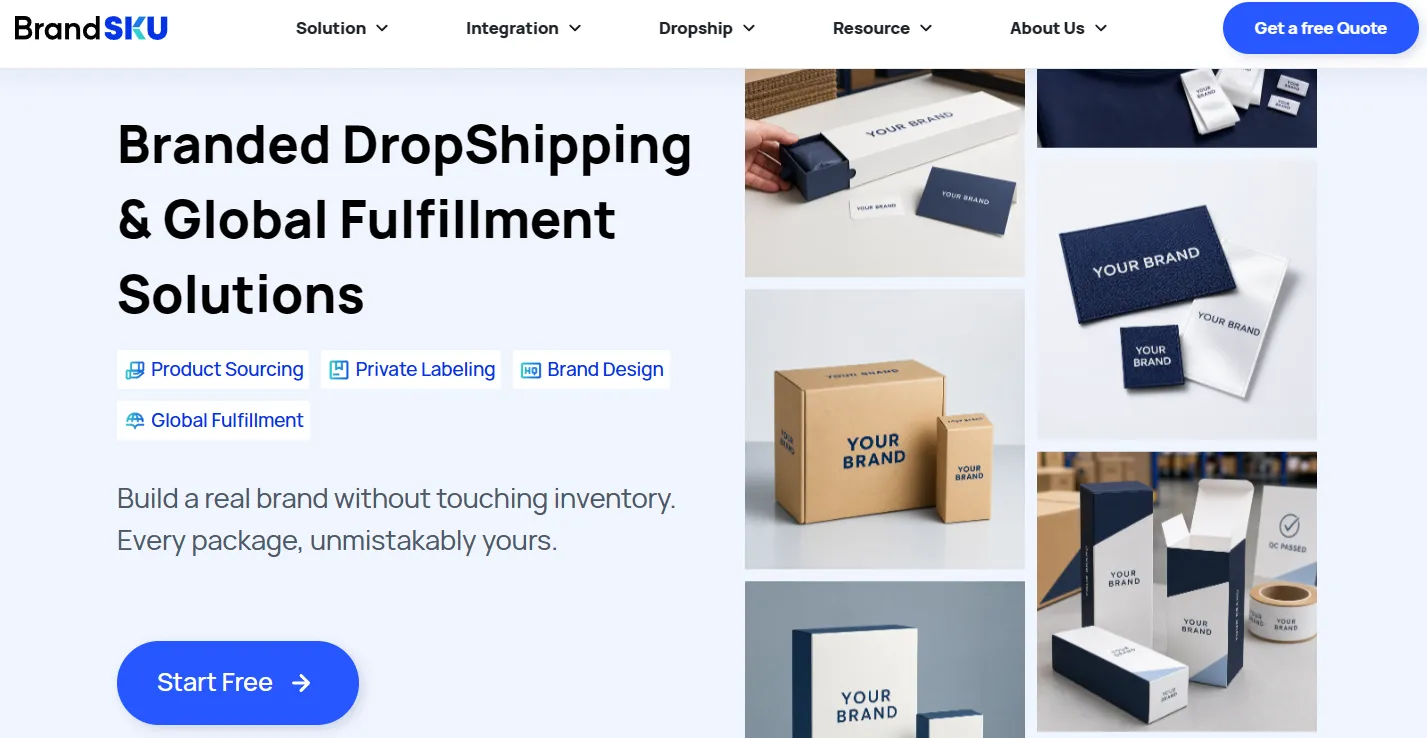
BrandSKU focuses on curated dropshipping products with faster US and Asia shipping than most Chinese-based platforms.
Product pages come with real photos and lead times, which saves you from listing items that arrive three weeks late.
Other options sellers switch between:
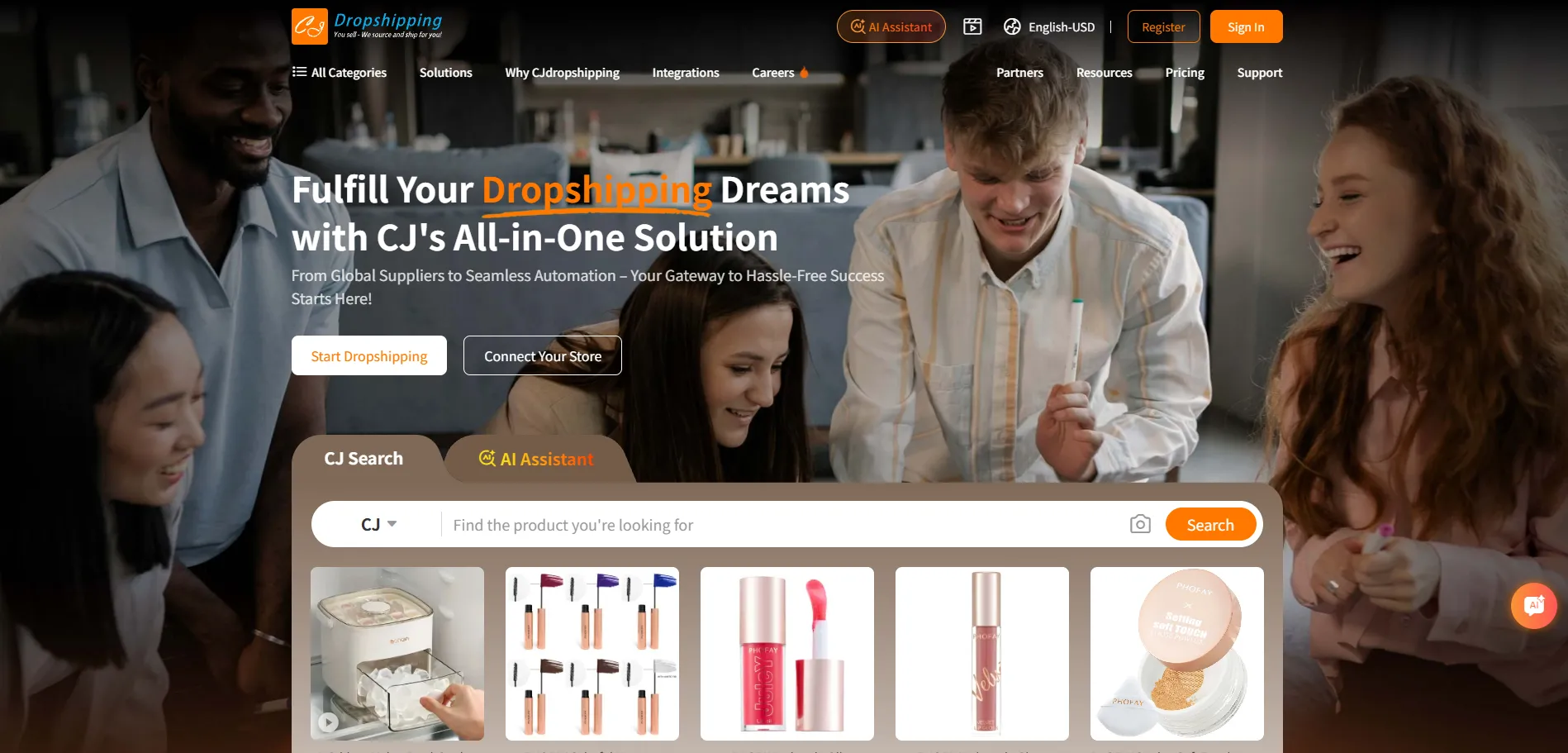
- CJDropshipping — huge product catalog, decent for testing niches
- AutoDS — fewer products but stronger automation tools
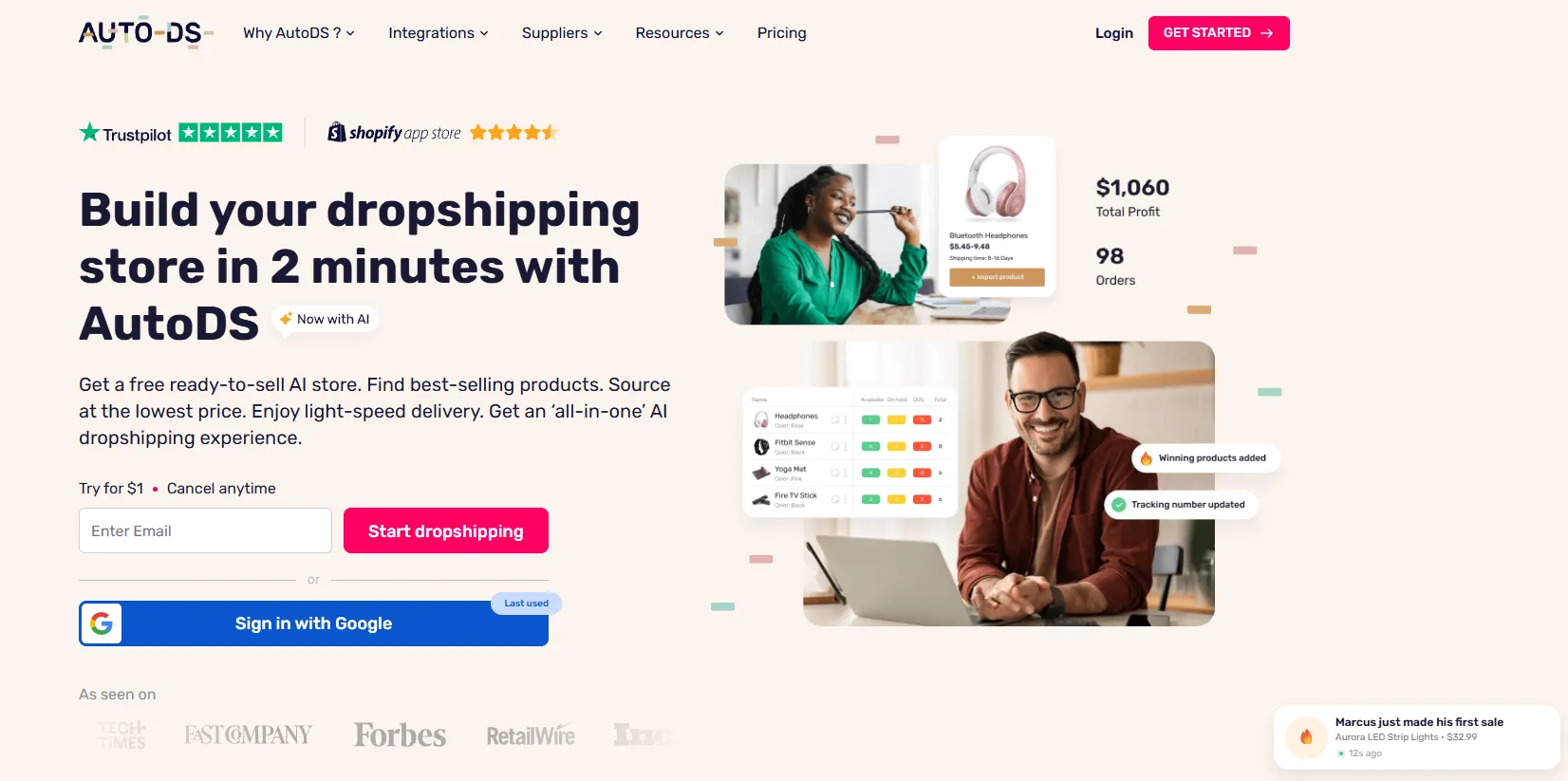
One Shopify seller in a community discussion put the tradeoff clearly: they used CJDropshipping first, then moved to AutoDS for the extra features.
Most sellers end up using two platforms—one for catalog breadth, one for automation.
Wholesale
Buying wholesale means paying less per unit but committing to hold stock. This route makes sense once you've validated a product and want higher margins.
The two main platforms sellers use split by region and style:
- Alibaba — best for high-volume orders from overseas factories.
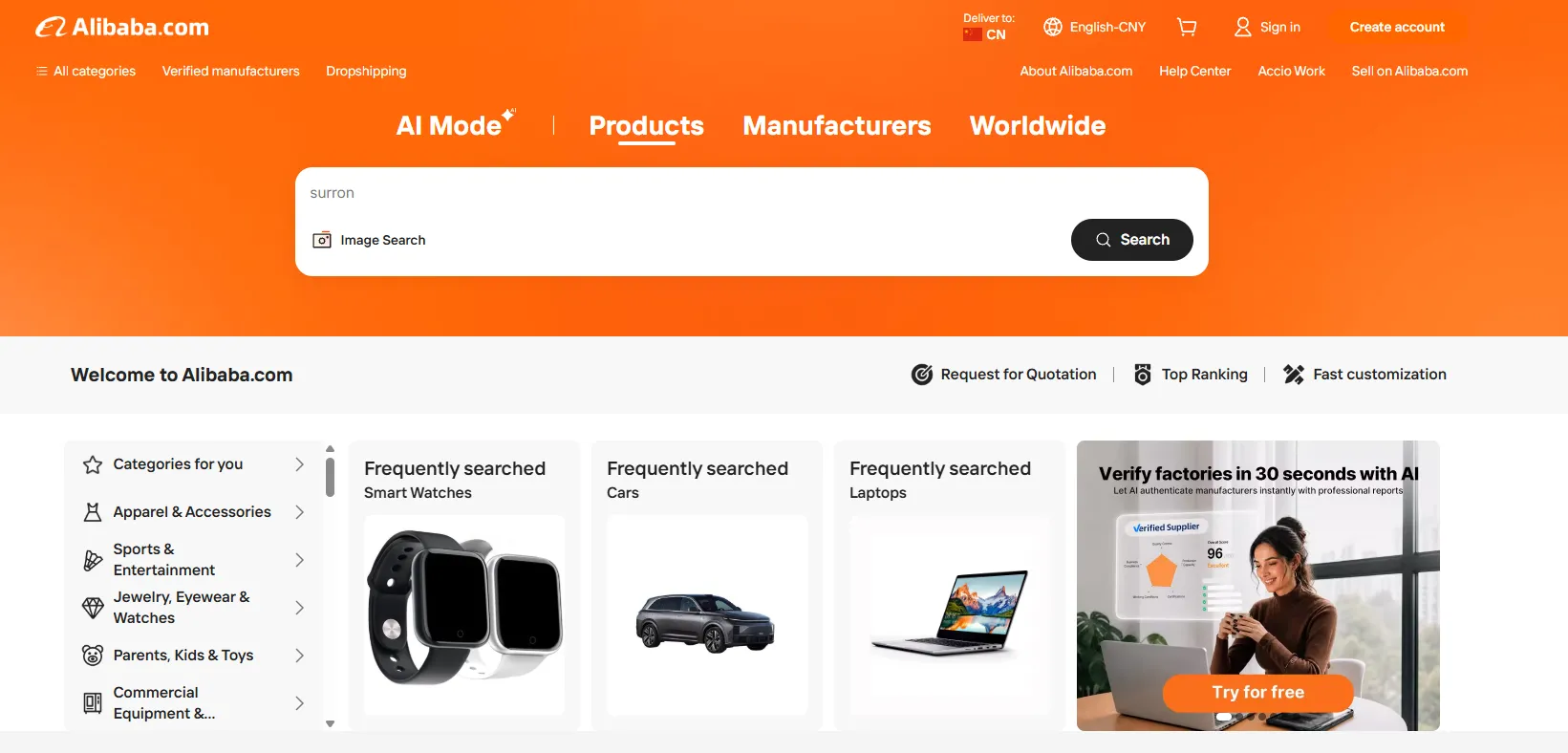
As one seller in a Reddit thread said, post an RFQ and suppliers will contact you within hours. Good for generic products, cheap unit costs, but requires careful vetting.
- Faire — curated marketplace for indie and boutique brands.
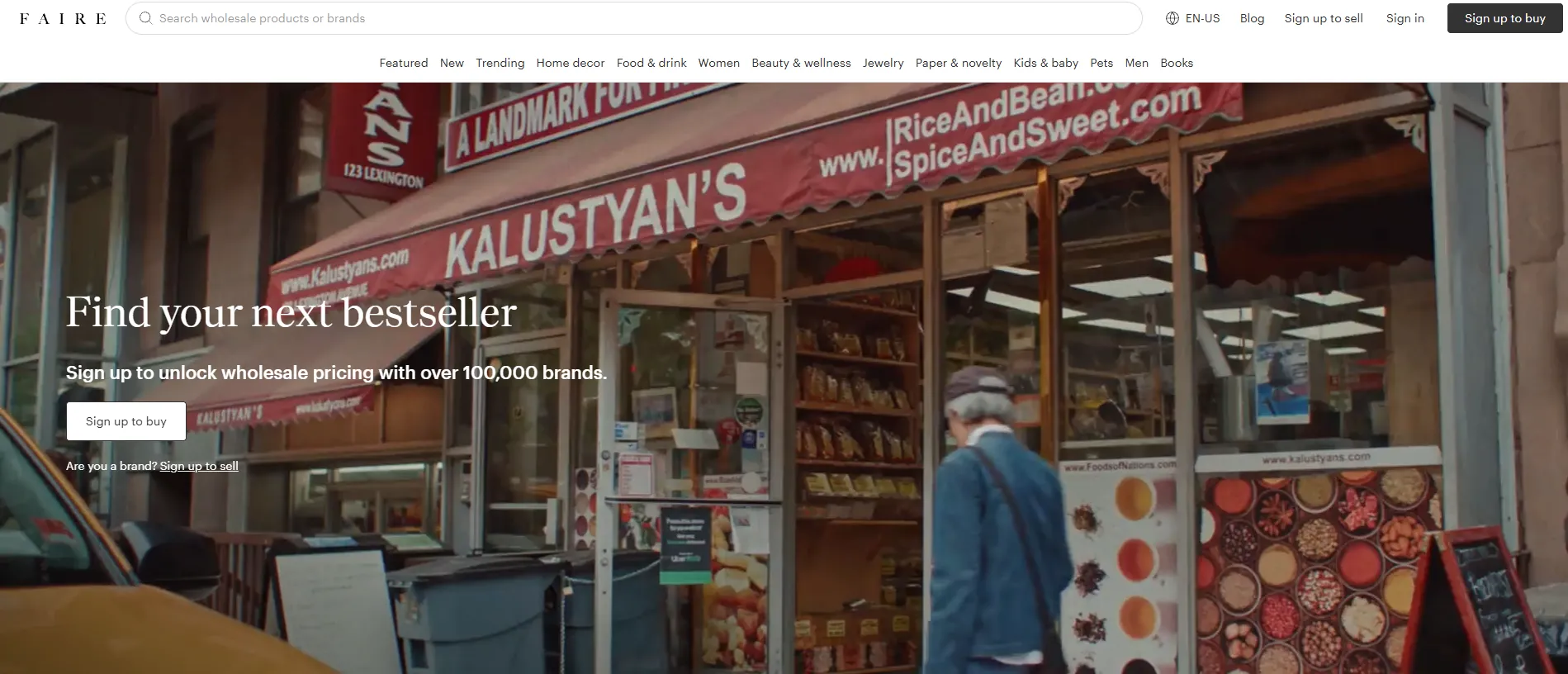
Better for retail stores selling home goods, stationery, or apparel. One warning from an experienced buyer: watch for middlemen relisting the same products at markup.
A quiet third option is your local wholesale market.
Many US cities have permanent wholesale showrooms, and countries like Turkey and Vietnam host regional trade markets year-round. These are underused by online sellers.
Manufacturers (Private Label & Custom)
This is where you stop selling other people's products and start selling your own. A manufacturer produces items to your specs, with your brand on them.
The standard path for most sellers:
Alibaba — same platform, different use.
Filter for "Verified Manufacturer" and "OEM/ODM services." Skip trading companies unless you specifically want a middleman handling multiple factories for you.
- Global Sources — better for electronics and higher-value items.
The supplier vetting is stricter than Alibaba's.
- Thomasnet — the go-to for US-based manufacturers.
Higher unit costs, but faster lead times and easier communication.
The real work here isn't finding the manufacturer—it's the sample rounds.
Expect to order samples from three to five factories before you find one whose quality matches your standards. Budget both time and money for this.
How to Choose the Right Sourcing Method for Your Store
Before you pick a platform, pick a framework. The same product can be sourced four different ways, and the "right" one depends on your budget, your patience, and where in the world you want to buy from.
Below are the three questions that filter out most of the noise.
Match Your Method to Your Budget
Your starting capital decides more than half of this decision.
Under $500 fits dropshipping—you pay for samples and store setup, nothing else.
Between $500 and $3,000 opens up wholesale, enough for a starter batch of one or two products.
Above $3,000 is where private label manufacturing starts to make sense, since most factory MOQs (Minimum Order Quantities) land in that range.
Add a hidden buffer of 30 to 40 percent on top for shipping, duties, and one bad sample.
Match Your Method to Your Time Commitment
Time to first sale varies wildly. Dropshipping runs 3 to 7 days from picking a product to selling.
Wholesale takes 3 to 6 weeks including shipping and listing. Private label needs 8 to 16 weeks with sampling, production, and ocean freight.
The decision cost differs too—dropshipping lets you swap products in a day, while manufacturing locks you into a batch of 1,000 units.
If you have a full-time job and 5 hours a week, dropshipping fits.
Match Your Method to Your Location Strategy
Where the factory sits changes lead time, unit cost, MOQ, and how much cash sits in transit. Domestic wins when you sell trendy items where speed beats unit cost.
Nearshore (Mexico, Eastern EU) hits the middle—moderate cost without eight-week waits. Overseas still gives the best margins for stable products, but you need NNN agreements to protect your design.
Rule of thumb: viral products source domestic, steady sellers source overseas.
| Factor | Local | Nearshore | Overseas |
|---|---|---|---|
| Lead Time | 1-2 weeks | 2-3 weeks | 4-8 weeks |
| Manufacturing Cost | Higher | Moderate | Lower |
| Minimum Order Quantity | Lower | Moderate | Higher |
| IP Protection | High | Moderate | Needs NNN |
| Cash Tied Up | Low | Moderate | High |
The Real Cost of Sourcing: Beyond the Sticker Price
The number on a supplier's quote is not what you actually pay.
New sellers calculate profit as "supplier price minus retail price" and get a nasty surprise when the first shipment lands.
Below are the four cost buckets that fill the gap between quoted price and true cost.
Product Cost vs Landed Cost
Landed cost is what a product actually costs by the time it reaches your warehouse or customer. The formula: product price + freight + duties + insurance + handling fees.
A $5 product from Alibaba often lands at $7-8 once shipping, duties, and fees are added—sometimes higher for heavy items.
That difference is where most beginner stores lose money. Always run the full landed cost before committing—the sticker price alone will lie to you every time.
Shipping and Freight Choices
How you ship changes both your cash flow and your product timeline. Sellers pick between three main options:
- Air express (DHL, FedEx) — 3 to 5 days, most expensive per kilo
- Air freight — 5 to 10 days, cheaper than express
- Ocean LCL — 30 to 45 days, cheapest for heavy items
Fast shipping ties up less cash but costs more per unit. Match the choice to your cash cycle, not just the freight quote.
Duties, Tariffs, and Customs Fees
Import duty is a tax you pay when goods cross the border. Rates for consumer goods usually fall between 0 and 25 percent.
Apparel sits at the higher end. Electronics often land at 0 to 5 percent. Every product has an HS Code (Harmonized System code) that decides the rate.
Look yours up at hts.usitc.gov before you buy. Customs brokerage adds another fee for clearing goods.
Hidden Costs Most Sellers Forget
Small fees add up fast on international orders. Three that catch new sellers off guard:
- Third-party QC inspection — $300 to $500 per day for consumer goods from firms like SGS or QIMA
- Wire transfer fees — $25 to $50 per transfer, both sides pay
- Currency exchange markup — banks typically add 2 to 5 percent on top of the real rate
None of these show up on a supplier quote. Add them into your landed cost calculation from day one.
How to Check Suppliers and Protect Your Business
Vetting a supplier before you pay is the difference between a smooth first order and a total loss. The generic advice—"check reviews, order samples"—is not enough for cross-border deals.
Below is the actual checklist experienced sellers run through before wiring money.
Verify the Business License
Registration numbers are the fastest way to spot a fake supplier. In China, use GSXT at gsxt.gov.cn. In the UK, use Companies House.
In the US, check the Secretary of State site. If the number doesn't match the company name they gave you, walk away.
Audit the Digital Footprint
Domain age tells you a lot. Run a WHOIS lookup—under 6 months old is a red flag.
Reverse-search their factory photos on Google Images; stolen photos show up on other supplier sites. Real factories don't run business through gmail.com or 163.com email accounts.
Confirm On-Site Standards
Certifications show whether a factory operates by real industry standards.
Ask for ISO 9001 (quality management) and BSCI (social compliance) documents, not screenshots. For orders over $5,000, hire a third-party auditor from SGS, QIMA, or Intertek to visit the factory in person.
Pay Through Safe Channels
How you pay matters as much as who you pay:
- Safe options — Alibaba Trade Assurance, PayPal Goods & Services, Letters of Credit
- High-risk options — Wire transfer before production, Western Union, cryptocurrency
If a supplier refuses anything except upfront wire transfer, they're hiding something.
Protect Your Design Before You Share It
NNN agreements protect you where NDAs fail overseas. NNN covers three things: the factory can't share, use, or sell your design directly.
Search Google Patents, USPTO, and EUIPO before sending specs. Confirm required certifications too—CE for Europe, FCC for US electronics, FDA for cosmetics.
How to Negotiate Terms and Ensure Product Quality
Once a supplier passes vetting, the real work starts. Most first-time sellers accept the first quote and the first sample—then get surprised when the bulk order looks nothing like what they approved.
The two sections below cover the moves and checkpoints that separate a smooth order from a costly one.
Negotiate MOQs and Pricing
Tiered pricing is the single move that saves the most money. Ask for pricing at 100, 500, 1,000, and 5,000 units in the same email.
You see where the real cost breaks are, and the factory reads it as signal that you're serious about growth.
Copy this script into your outreach email:
Subject: Pricing Inquiry for [Product Name]
Hi [Supplier],
I'm sourcing [product] for my ecommerce store and want to compare your quote across order volumes.
Could you send FOB pricing for the following quantities?
- 100 units
- 500 units
- 1,000 units
- 5,000 units
Please also confirm:
- Sample cost and lead time
- Whether sample cost is refundable against the first bulk order
- Production lead time for 500 units
Thanks,
[Your name]
Separate packaging from product MOQ. Factories often drop a 1,000-unit MOQ to 100-300 units if you accept stock packaging instead of custom boxes.
Ask for the sample fee back. Most factories credit sample fees ($30-100) against the first bulk order if you ask directly.
Set Up Quality Control Before Shipment
Golden sample approval starts real QC. The factory sends a pre-production sample (PPS). Sign a photo and description of it, send it back.
This becomes the reference every unit must match—your written proof for refunds or rework.
Two-stage inspection catches most defects:
During Production (DuPro) — at 20-40% completion, early enough to fix problems
Pre-Shipment Inspection (PSI) — at 100% complete, last chance to hold shipment
SGS, QIMA, and Intertek handle both. Book both for orders over $5,000.
AQL standards put defect limits in your contract. AQL (Acceptable Quality Limit) 2.5 for major defects and 4.0 for minor defects is the industry baseline. Write those numbers into the PO with a rework clause—defects above the limit, factory pays for the fix.
Expert Tips
Knowing where to source products to sell is only half the job. The other half is protecting yourself once you find a supplier.
Start small. Order samples before you scale. Vet every factory with the checklist above—license, domain, payment channel, and NNN agreement. Track your full landed cost, not just the sticker price.
Book quality inspections before shipment, not after. Most sourcing failures are not bad luck. They come from skipping one of these steps to save time or money. Do the work upfront, and every future order gets easier.
FAQs
What's the best place to start for a first-time seller?
Dropshipping platforms like BrandSKU are the easiest entry point. No inventory risk, no upfront stock costs. Test a few products, see what sells, then reinvest profits into wholesale or private label later.
How much money do I need to start sourcing products?
Dropshipping needs $50 to $100 for samples and setup. Wholesale starts around $500 to $3,000 for a light batch. Private label manufacturing typically begins at $3,000 or more due to factory MOQ requirements.
How long does it take to source a product from start to first sale?
Dropshipping moves fastest—3 to 7 days from product pick to first order. Wholesale takes 3 to 6 weeks including shipping. Private label runs 8 to 16 weeks with sampling, production, and freight combined.
Is Alibaba safe for sourcing products?
Yes, when used with care. Pick Gold Suppliers with 3+ years of history, filter for Verified status, and pay only through Trade Assurance. Most scams happen when buyers skip these filters chasing the lowest quote.
Can I source products from multiple suppliers at the same time?
Absolutely, and most established stores do this. A common setup pairs one dropshipping supplier for testing new items with a wholesale or manufacturing partner for proven bestsellers. Multiple suppliers also cushion delays and quality issues.
Share article


Written by

Retail analytics background | Follows e-commerce trends closely | Digging into what small sellers actually need

 Early access

