

Ready to try BrandSKU?

You have probably seen the videos: someone selling products online, no warehouse, no inventory, working from a laptop in a coffee shop. That is dropshipping.
But what is dropshipping really, and can you actually build a business from it in 2026? This guide breaks it down without the hype. You will learn how the model works, what it costs to start, where to find suppliers and what profit margins to expect.
What Is Dropshipping?
A store with no warehouse, no boxes stacked in a garage, no inventory to guess right on. That is dropshipping.
You list products online, and when someone buys, the supplier ships directly to your customer. Your job is picking what to sell and getting people to the store. Theirs is everything after checkout.
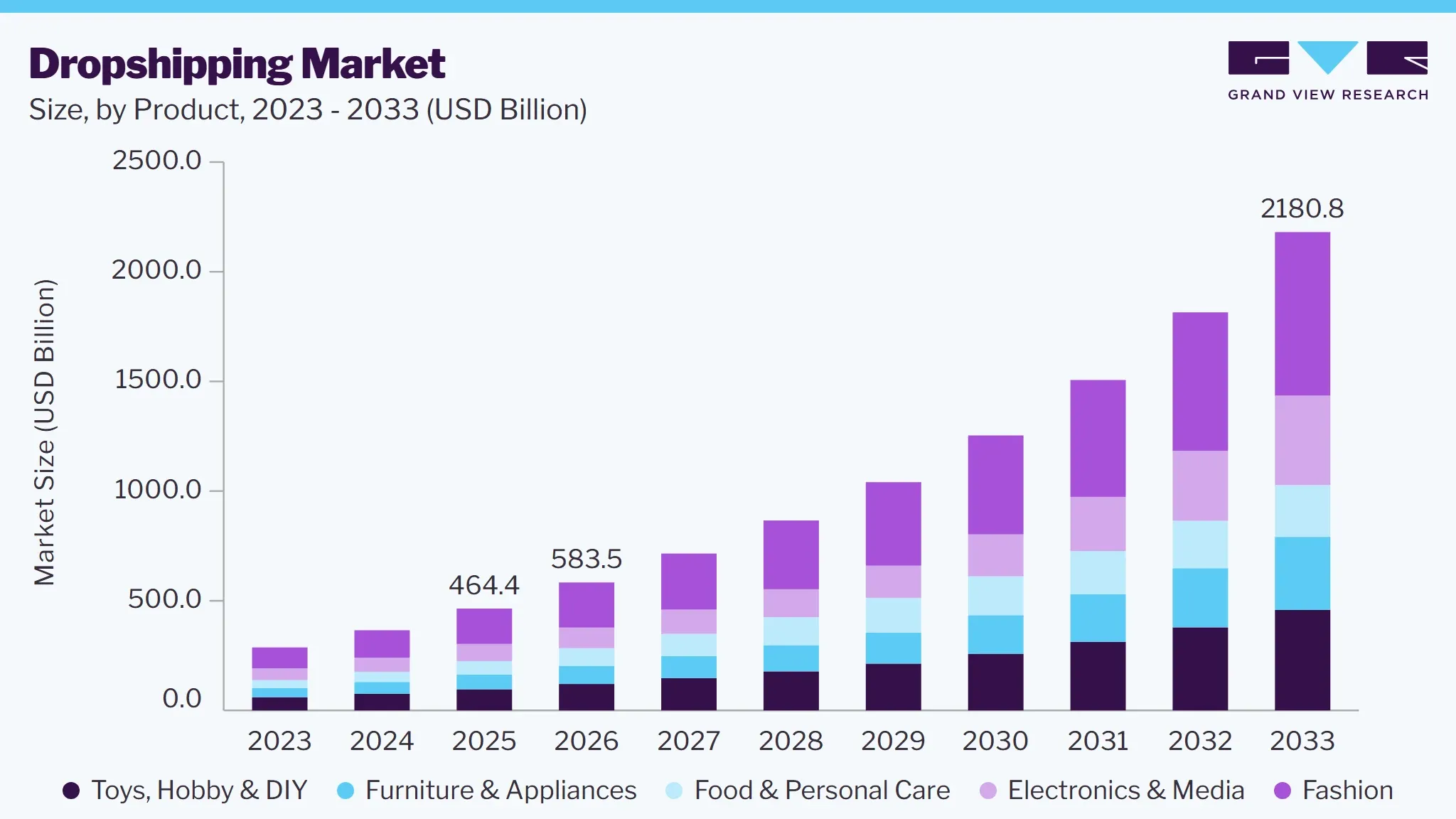
The model is not niche anymore. The global dropshipping market is projected to hit $2.18 trillion by 2033, growing around 20.7% each year, faster than most retail categories.
What is driving it is not just cheap products from overseas. AI-powered tools now handle inventory syncing, order routing and customer replies, work that used to eat entire afternoons.
The catch worth knowing early: low startup cost does not mean low effort. The warehouse problem is solved. The marketing problem is where the real work lives.
Pros and Cons of Dropshipping
Pros
- Low startup cost. No pallets of inventory, no warehouse lease. A Shopify subscription, a domain and maybe $300 for ad testing can get you live this weekend.
- No warehouse needed. The supplier holds and ships everything. Plenty of dropshippers run six-figure stores from a kitchen table.
- Product testing is fast. If a product flops after a week of ads, you drop it and try the next one. Traditional retailers cannot pivot that quickly because they already paid for the stock.
- Scales without extra hands. Whether you get 10 orders or 500 in a day, your workload barely changes. The supplier absorbs the volume.
Cons
- Shipping is out of the seller's control. A customer emails asking why their order from three weeks ago still says "in transit," and the only option is forwarding the tracking link and apologizing.
- Product quality is a gamble until samples are ordered. The listing photo and the actual product are often two different items. Skipping the sample step is how stores end up with a chargeback problem.
- Everyone can sell the same product. The second a winning item goes viral, twenty other stores copy it within a week. Branding and creative ads are what separate the ones that last from the ones that flame out.
- Every complaint lands on the seller. Even when the supplier caused the delay or shipped the wrong color, the customer's frustration goes to the store's inbox, not theirs.
How to Start a Dropshipping Business
Pick a Niche You Actually Understand
Don't chase "trending" products blindly. Pick a niche where the buyer complaints are already familiar. Someone who has spent years fishing will spot a bad lure listing instantly.
That kind of knowledge saves $200 in wasted product testing that a stranger would have burned through.
Research Products Before You Fall in Love
New sellers pick products because they feel cool. That's how money disappears. Use real data instead. Check these before committing:
- Google Trends — is search demand growing or dying?
- TikTok Shop — what's actually selling right now, with visible order counts
- AliExpress or Zendrop — is the supplier price under 25% of the target retail price?
Choose Your Selling Platform
There are three real options in 2026, and they're not equal. Shopify offers full control but costs $39/month plus apps.
TikTok Shop puts products in front of buyers instantly but takes a bigger cut and owns the customer relationship. Amazon works, but competition is brutal for beginners.
Find a Supplier You Can Trust
Cheap suppliers will wreck a store with 20-day shipping and broken products. Order samples before listing anything—yes, spend the $30.
Test the shipping speed, the packaging, the actual quality. A supplier that ships from a US or EU warehouse is worth paying more for.
Set Up Your Store the Simple Way
Don't spend three weeks designing a logo. Buyers don't care. Focus on the parts that actually convert:
- One clean product page per item, with 5+ real photos
- Honest shipping times shown before checkout
- A refund policy written in plain English
- Reviews (even 10 real ones beat 500 fake ones)
Drive Traffic Without Burning Cash
Paid ads eat beginners alive. Expect to lose money for your first $300–500 in ad spend while you learn. A safer start: make organic TikTok videos showing the product in use.
Post one every day for 30 days. If nothing hits, your product is probably the problem, not your marketing.

Common Dropshipping Sourcing Channels Explained
Online Marketplaces
This is where almost every beginner starts. Platforms like CJdropshipping and BrandSKU offer millions of products, no minimum orders, and listing something new takes an afternoon.
The catch is shipping times—often 10 to 20 days—and the packaging looks generic. Fine for testing products, painful once customers expect faster delivery.
Private Sourcing Agents
Once a store hits consistent volume—say 20+ orders a day—an agent in Yiwu or Guangzhou becomes worth the effort. They bundle orders, check quality before shipping, and often cut delivery down to 7–10 days.
Most agents are found through Facebook groups or referrals, not Google ads. Message a few before committing to one.
Domestic Suppliers and 3PL Warehouses
Inventory sits in a warehouse inside the customer's country, and orders ship in 2–4 days.
Unit cost goes up, sometimes by 30–40%, but refund requests and angry emails drop hard. A smart move once a product proves itself as a winner and is ready to scale.
Print-on-Demand (POD)
Platforms like PrintKK produce the product only after someone buys it. Zero upfront inventory, zero dead stock sitting in a warehouse.
Branding is fully in your hands—logo, designs, packaging inserts. Margins are thinner than regular dropshipping, so this works best for designers, artists and niche stores where the design is the product.
5 Beginner-Friendly Dropshipping Platforms
BrandSKU
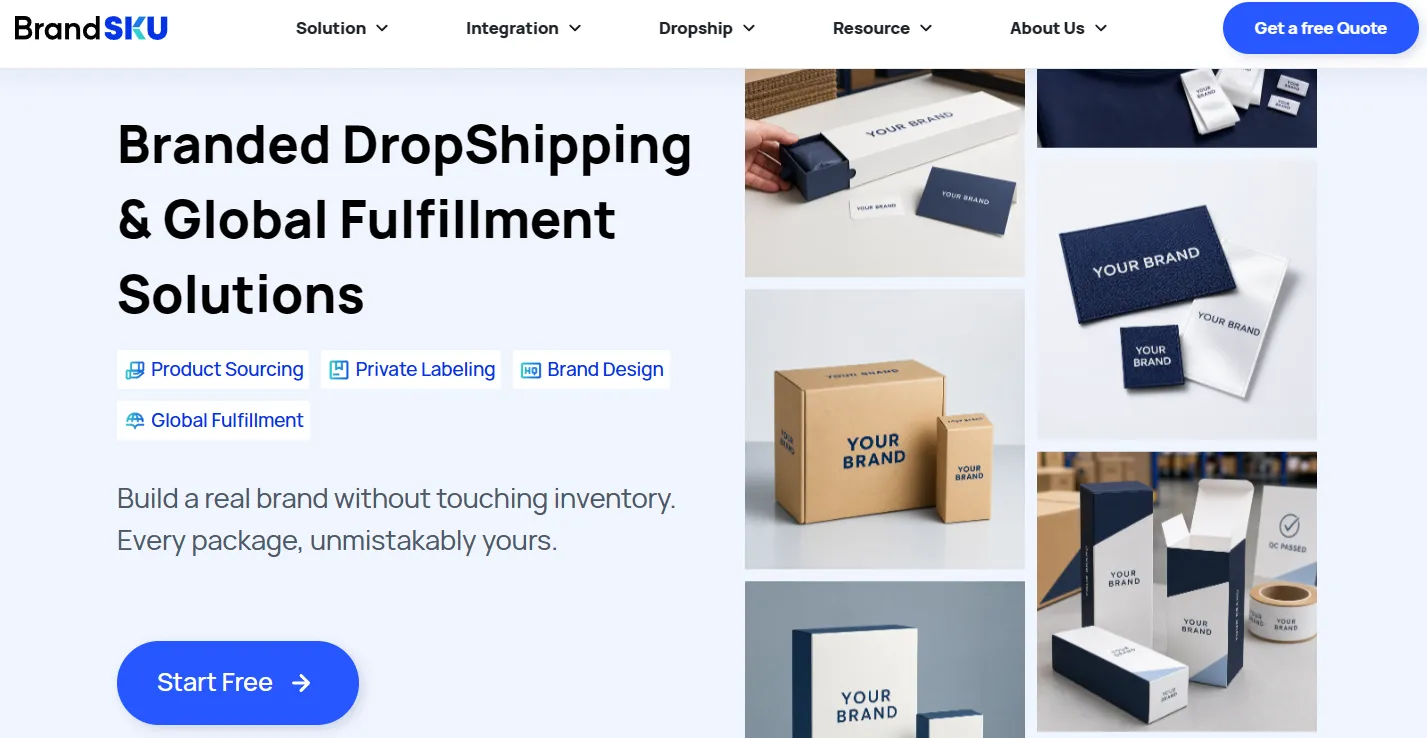
BrandSKU is built for sellers who want to move past generic listings. You can add your logo to the product, the box and the insert card, offering true private label options that are closer to running a real brand than typical dropshipping.
It fits sellers who have found a product worth investing in and are ready to shift from reselling to building something recognizable.
Spocket
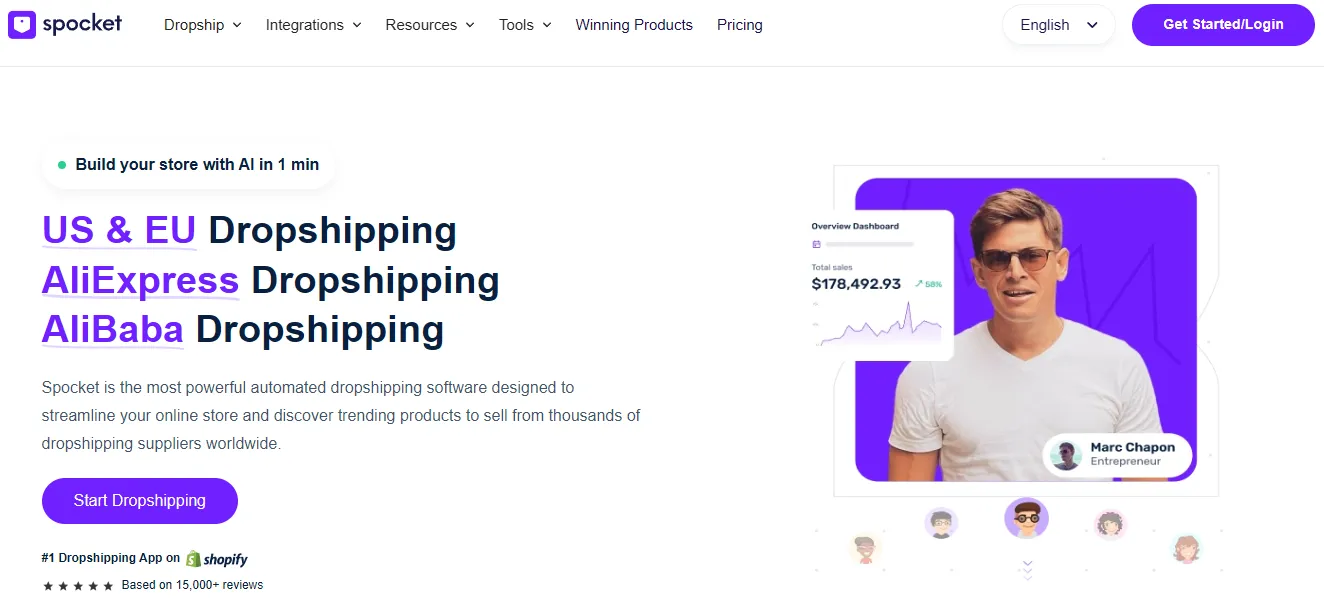
Spocket's edge is its supplier base in the U.S. and Europe, which means shipping in 2 to 5 days for most orders. The catalog is smaller than AliExpress-based tools, and the paid plans get pricey fast once you scale past a few products.
DSers
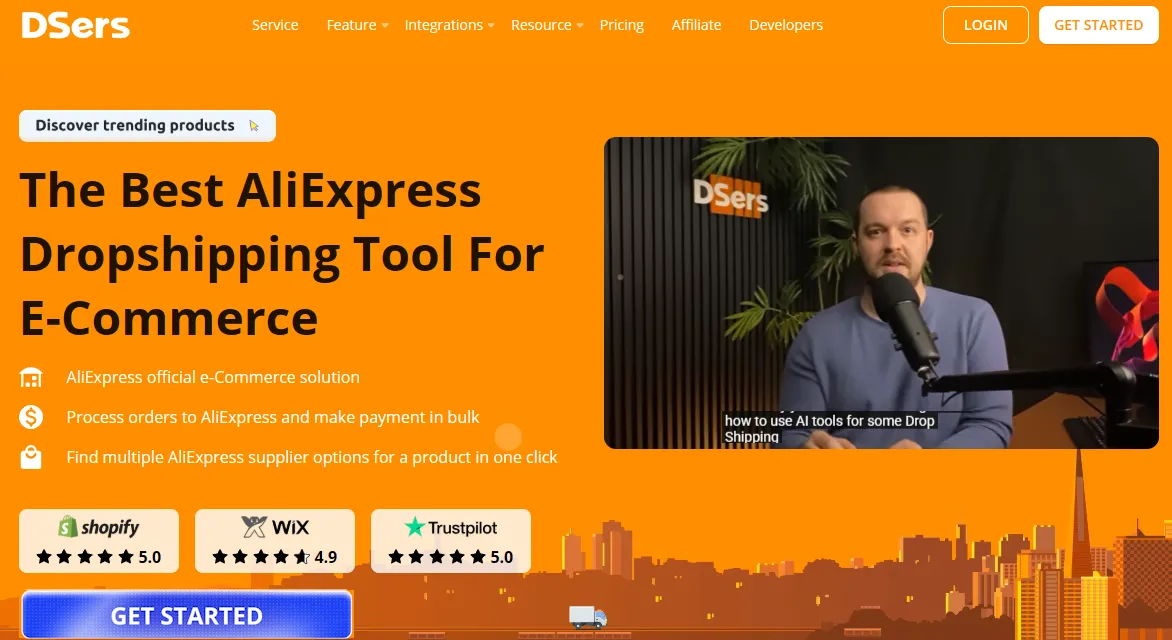
DSers is the official AliExpress partner, and honestly, if you are sourcing from AliExpress, there is no real reason to use anything else.
Bulk order processing is where it earns its keep, though the interface still feels a bit dated compared to newer competitors.
Zendrop
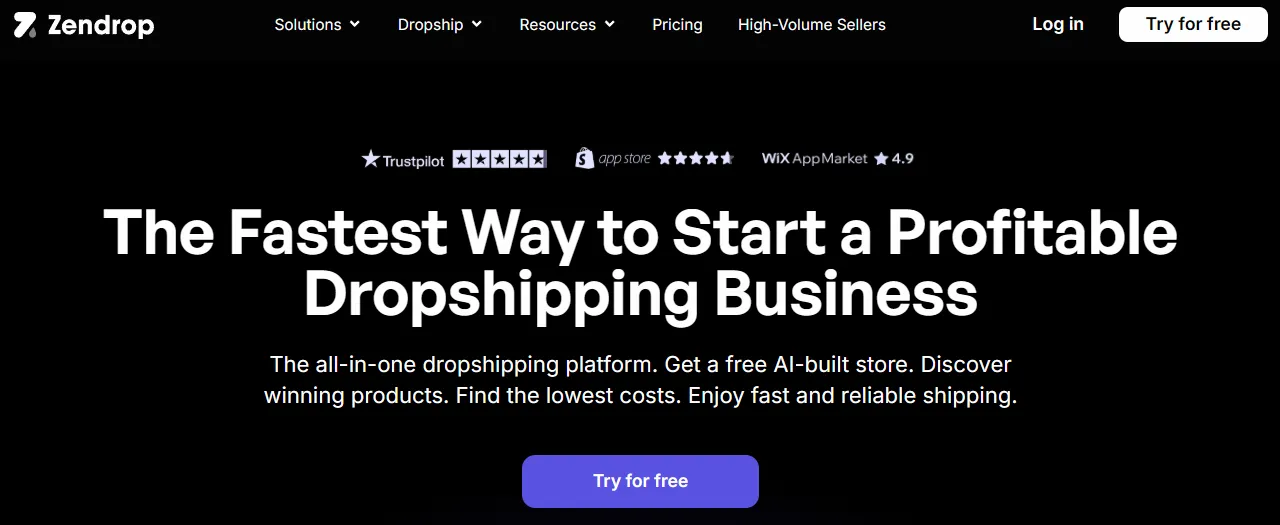
Zendrop leans hard into the "beginner experience," with a clean dashboard and 5 to 8 day shipping from U.S. warehouses on stocked items.
Custom branded packaging is available, but it is gated behind their Private Agent Program, which requires proven sales volume, so early-stage stores will start with plain packaging.
CJdropshipping
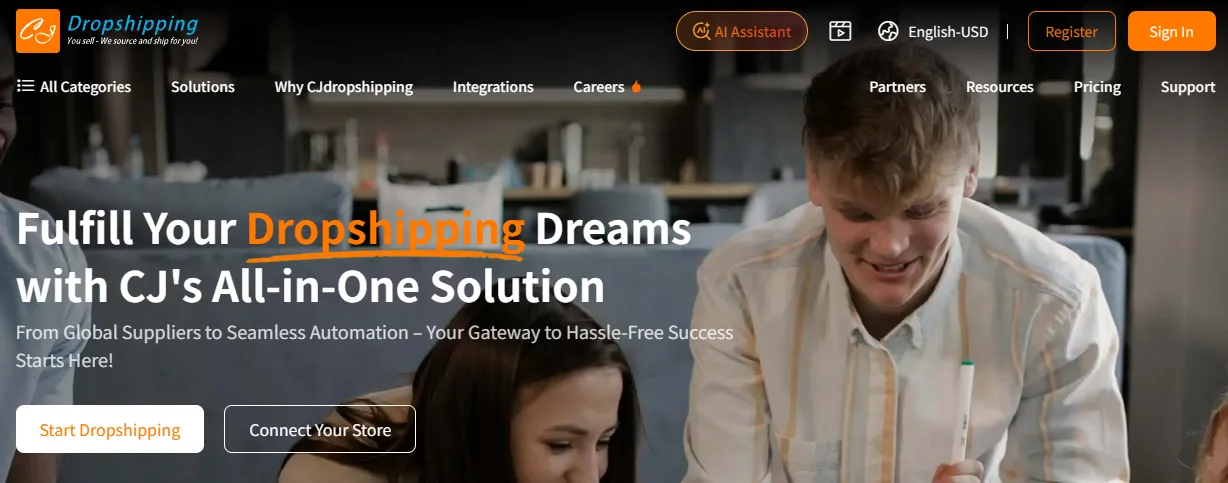
CJdropshipping does a lot: sourcing agents, global warehouses, product photography, even video ads. That range is the appeal and the drawback. New users often get lost in the dashboard for the first week before things click.
Real Profit Margins in Dropshipping Explained
What "Net Margin" Actually Looks Like
Most beginners see a $10 product selling for $30 and think they're making $20. They're not. After ads, fees, and refunds, most stores keep only 10%–20% as real profit.
The problem isn't the thin margin—it's that most beginners never calculate it, so they scale a losing product thinking it's a winner. Do the math weekly.
Payment Processing Fees Eat More Than You Think
Every card swipe costs around 2.9% plus $0.30 per order, plus 1–2% extra for cross-border sales. These fees are fixed—you can't negotiate them as a beginner.
So treat them like a tax and price them in from the start. A 4% cushion on your retail price covers it without scaring buyers off.
Customer Acquisition Cost Keeps Climbing
Meta and TikTok ad prices rise every year, and beginners often spend $15–$25 to get one sale. Paid ads punish weak products—if the offer isn't strong, more spend just means bigger losses.
Test with organic TikTok videos first. A product that can't earn free views won't magically convert with paid ones.
The App Subscription Trap
Every tool sounds essential until your credit card bill arrives. Most beginners stack apps hoping they'll fix a slow store, but apps don't create demand—only a good product does. Keep the stack lean until you're profitable:
- Shopify Basic ($39/month) — yes
- Email tool — skip until you have 100+ customers
- Sourcing app — free tiers work fine early on
- Page builders, upsell apps — add only after you're profitable
Aim for under $60/month in your first 90 days.
Build a Refund and Chargeback Buffer
Packages get lost. Products arrive broken. Some buyers file chargebacks even on good orders. This isn't a sign something's wrong with your store—it's just the cost of selling online.
Set aside 3%–5% of gross revenue in a separate account so one bad week doesn't wipe out a good month. Sample products yourself to keep refunds low.
Expert Tips
So, what is dropshipping? A way to sell online without holding inventory. The setup is simple, but the work is real: picking products, running ads, handling customers.
If you want to try it, keep the first move small. Pick one platform. Pick one product niche. Launch a basic store and start testing. The first month is for learning what actually sells, not for turning a profit.
Everything else, better products, branded packaging, higher margins, comes after you have real data from real orders.
FAQs
What type of business is dropshipping?
It is a retail model where the store runs online but skips the warehouse. The supplier ships products straight to customers after each sale, so no stock ever sits with the seller.
Is dropshipping legal?
Yes, it is a legal business model in most countries. The key steps are registering the business properly, collecting the right taxes and only selling products with clear resale rights.
Is dropshipping hard for beginners?
The setup is beginner-friendly, but growing a store takes effort. Most people struggle with marketing and product research, not the technical side. Expect a learning curve during your first few months.
How much do I need to invest to start dropshipping?
You can launch for under $500. A Shopify plan, a domain and some starter ad budget cover the basics. Set aside extra cash for testing products before scaling anything.
How profitable is dropshipping?
Most stores earn a net profit of 10% to 20% after ad spend and fees. A few reach higher margins with strong branding, but big returns usually come from volume, not markup.
Share article


Written by
E-commerce enthusiast | Focused on Shopify and small store growth | Breaking down complicated topics into something you can actually use

 Early access

