





Ready to try BrandSKU?

Dropshipping in 2026 looks nothing like the copy-paste stores from a few years back. Ads cost more, shoppers see through low-effort sites, and the stores pulling in real money are the ones that feel like an actual brand. The upside: the model still works, and getting started costs less than almost any other kind of online business.
This dropshipping guide walks you through how to start a dropshipping business in 2026 with a clear step-by-step plan, from picking a niche to landing your first sale. Think of it as a straight-talking dropshipping tutorial — nothing padded, nothing oversold, just what's working right now.
Why Start a Dropshipping Business
Dropshipping is a way to sell online without keeping any stock. A shopper buys something from the store, the order gets sent to a supplier, and the supplier ships it straight to the buyer.
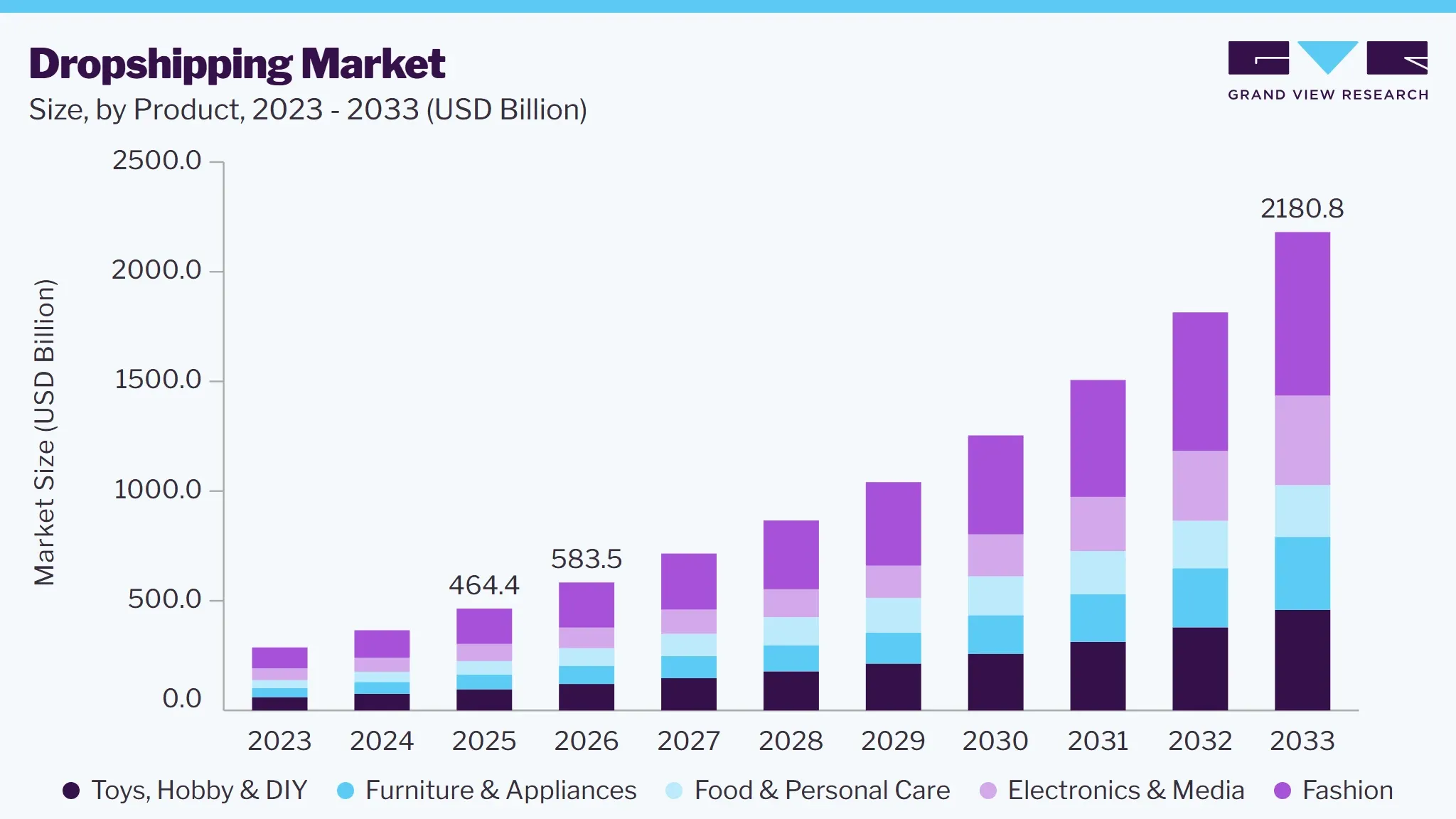
Money only changes hands after a sale, so there's no pile of unsold products sitting in a garage. The store owner's real job is finding good products, running the site, and getting people to visit. It's a model with room to grow — the global dropshipping market is projected to reach $583.5 billion in 2026 and climb past $2 trillion by 2033, so buyer demand isn't the problem.
The main reason people start is that upfront costs stay small. Traditional retail asks for thousands in stock before the first sale.
Dropshipping asks for a domain, a store plan, and enough ad budget to test what actually sells. A product that flops gets pulled the same day. Nothing is lost except the ad spend.
The setup also gives room to move fast. Ten niches can be tested in a month from a laptop. The ones that pull in orders get more budget, and the rest get dropped. For a first business, that kind of low-stakes testing is hard to match.
How to Start Dropshipping in 7 Steps
Here's the dropshipping step by step process — the same moves the sellers actually making money follow, in the order they matter.
1. Choose a Profitable Niche
Your niche is the ground everything else stands on. Pick one that's too broad, and you'll fight giants for scraps. Pick one too narrow, and there's no one to sell to.
The sweet spot lives where three things overlap: people spend real money there, you find the topic interesting enough to stick with for a year, and the products solve a real problem or feed a real hobby.
A profitable niche usually has repeat buyers, not one-time gift shoppers. Think pet owners, home gym users, campers, new parents, hobby crafters.
These groups keep buying because their needs keep shifting. Run a quick check on Google Trends and TikTok's Creative Center — if search interest is steady or climbing over the past 12 months, you're on to something.
2. Research Your Competitors
Before you build anything, spend a few hours studying stores already selling to your niche. Not to copy them — to spot what they're doing wrong.
Here's what to look at:
- Their pricing — what feels overpriced, and what feels too cheap to trust?
- Their reviews — what do buyers complain about most often?
- Their ads — which ones have been running for weeks? Those are the winners.
- Their site — where does it feel slow, confusing, or empty?
The Facebook Ad Library and TikTok Creative Center let you see competitor ads for free. Save the ones with heavy engagement. You're not stealing — you're learning what already works so you can do the same thing sharper.
3. Set Up Order Fulfillment and Customer Service
Selling is only half the job. The other half is what happens after someone clicks buy — and this is where new stores fall apart fastest. Orders sit unforwarded for two days, tracking numbers never sync, refund emails pile up in an inbox nobody checks. The store looks fine from the outside; behind the scenes it's chaos.
Before you launch, sort out four things:
- Order routing — most suppliers connect to Shopify through an app that auto-forwards new orders. Test it with a real purchase before going live, not after.
- Tracking sync — buyers check their tracking obsessively. Make sure updates flow from the supplier back to your store automatically.
- Refund and replacement rules — decide upfront what triggers a full refund, a partial refund, or a free replacement. Winging it per case burns hours.
- A customer service inbox — a simple Gmail with a Help Scout or Front layer on top works fine. Reply within 24 hours or reviews turn ugly.
The stores that survive their first 100 orders aren't the ones with the best products. They're the ones with a boring, reliable back office.
4. Select Products and Set Prices
Don't launch with 300 SKUs on day one. Start with 5 to 15 products that share a clear theme. A tight catalog looks intentional. A giant one looks like a random warehouse.
For pricing, the old "cost times two" trick doesn't cut it anymore. Ad costs eat margins fast. A safer formula:
Product cost + shipping + $10–15 ad budget per sale + your profit = retail price
If a product costs $8 to make and ship, you probably need to sell it around $30 to $35 to survive after ad spend. Anything under a $20 profit margin per order gets painful the moment returns and refund requests start showing up.
5. Build Your Online Store
Shopify is still the fastest path for most beginners. You can have a live store in a weekend. Skip the paid themes for now — Dawn, the free default, loads fast and converts well.
Your store needs five things done right:
- A homepage that shows what you sell in about three seconds
- Product pages with your own photos, not just supplier images
- Reviews or user-submitted photos, added the moment you have any
- A visible shipping and return policy (people check before checkout)
- Fast mobile load speed — most of your traffic will come from phones
The biggest conversion killer isn't ugly design. It's a page that takes forever to load or a checkout that asks for too much info before letting people pay.
6. Register Your Business and Set Up Finances
You can technically test a store before registering anything. But once orders start coming in steady, sort the legal side before tax season turns into a nightmare.
The basics:
- Register an LLC or sole proprietorship (LLC becomes worth the paperwork once revenue is steady)
- Get an EIN if you're in the US — it's free from the IRS website and takes ten minutes
- Open a business bank account so personal money and store money stay separate
- Sign up for a bookkeeping tool like Wave (free) or QuickBooks
Set aside roughly 25% of every sale for taxes from the first order. It's not fun to watch that money sit untouched, but the alternative is a nasty April surprise.
7. Market Your Store and Drive Traffic
This is where most people quit. You launch, you get crickets, you assume dropshipping is dead. It isn't — you just haven't found the right traffic channel yet. Here's what actually works in 2026, not the recycled advice from 2019.
UGC and Short-Form Video
Order 3 to 5 samples of your best product. Film yourself unboxing them, using them, or reacting to how they feel in real life. The hook — the first two seconds — decides everything. Try formats like "3 things I wish I knew before buying [product]" or "POV: you finally found a [product] that actually works."
Post daily on TikTok and Instagram Reels for 30 days before you judge the results. One video that pops can outperform $500 in ads. Consistency beats production quality here — a shaky iPhone clip with a strong hook will beat a polished ad every time.
Paid Ads for Cold Audiences
For TikTok Ads and Meta Advantage+, stop overthinking the targeting. The algorithms in 2026 are smarter than you. Feed them 3 to 5 different video creatives, set a daily budget you can afford to lose ($20 to $50 is fine to start), and let the system find buyers.
Kill any creative that doesn't hit around a 1% CTR in the first three days. Scale the ones that do by raising the budget 20% every couple of days — jumping straight to a $200 budget usually breaks the campaign.
Micro-Influencer Gifting
Skip the big influencers. They charge thousands and their audiences barely convert. Instead, reach out to creators with 5K to 50K followers who post about your niche. Here's a cold DM template that gets replies:
"Hey [name], I've been following your posts about [specific thing they made recently] — the one about [detail] was great. I run a small [niche] brand and I think you'd actually like our [product]. Happy to send one over for free, no obligation to post anything. If you love it and want to share, that would mean a lot. Either way, keep making cool stuff."
Send 50 of these a week. Expect 5 to 10 replies, and 2 or 3 posts. That's how you build organic social proof without an influencer budget.
How Much It Really Costs to Start Dropshipping
Most guides tell you dropshipping is nearly free to start. That's a half-truth. Yes, you skip inventory costs — but there are other expenses nobody warns you about until you're already in. Here's the honest breakdown.
The Bare Minimum Setup
Before you sell a single item, expect to spend a small but real amount just getting the doors open.
Shopify's Basic plan runs $29/month, a custom domain costs about $15/year, and basic legal setup (LLC filing) varies by state.
Ad Testing Is Where the Money Goes
Here's what nobody says out loud: you need a real ad testing budget before you find one product that actually sells.
Ad platforms like TikTok Ads and Meta Ads need data to work — that means running several losing creatives before one hits. Skip this budget and you'll spend a little, see zero sales, and quit thinking dropshipping is broken. It isn't. You just underfunded the testing phase.
The Silent Killer: App Subscriptions
The Shopify App Store is a trap. You add one for reviews, one for upsells, one for email, one for currency conversion, one for tracking pages — suddenly you're paying a heavy monthly bill before any sales come in. Audit your apps every month. If an app hasn't clearly earned back its cost, cancel it. Most stores need 3 apps, not 13.
Cash Flow Lag Nobody Warns You About
This one wrecks new sellers. Payment processors like Shopify Payments and PayPal often hold funds on new accounts for a payout period before releasing them.
Meanwhile, your supplier wants payment the moment an order comes in. So you sell $500 worth of products, owe your supplier today, but can't touch your revenue until later. Keep a cash reserve to cover this gap, or your orders start failing.
Realistic Total to Start
Add it all up honestly: setup fees, an ad testing budget, first-month apps, and a cash flow buffer. The real starting cost is higher than "$0 to launch" articles claim, but far lower than opening a physical store.
The people who succeed treat it like a real business — because that's what it is. Fund it that way from day one.
How to Handle Legal and Tax Requirements in Dropshipping
Most guides stop at "form an LLC and pay your taxes." That advice was fine in 2015. Today, dropshipping crosses borders, states, and legal lines you didn't know existed. Here's what actually matters.
Understand Sales Tax Nexus
Nexus is a fancy word for "you owe this state sales tax." You get nexus by having customers, warehouses, or employees in a state — and the rules keep shifting.
Once you cross a state's economic threshold, you have to register and collect tax there. Each state sets its own trigger point, so check current thresholds before you start selling across borders.
Tools like TaxJar or Avalara track this automatically so you don't get a surprise bill later.
Handle VAT and EU Orders
Selling to Europe? You need to know about IOSS (Import One-Stop Shop). It lets you collect VAT at checkout for orders under €150, so customers don't get hit with surprise fees on delivery.
Without IOSS, packages get held at customs and buyers refuse them. Register through any EU country's tax portal or use a filing service to handle the paperwork.
Watch Customs and Import Tariffs
The old US de minimis rule — no duty on low-value packages from overseas — is tightening fast, especially for shipments from China.
Rules change often, so check the current threshold before you promise "no customs fees" to buyers.
Avoid Trademark and Copyright Trouble
Supplier catalogs are full of knockoffs. Disney characters, sports team logos, viral meme art — they slip in disguised as "cute cartoon shirt."
Sell one and you can get your store shut down overnight by a takedown notice. Before listing anything with a character, brand, or slogan, search the USPTO trademark database. If something looks familiar, it's probably protected. Skip it.
Write Clear Store Policies
Your store needs three visible policies: shipping, returns, and privacy. Missing any of them gets you flagged by payment processors and can cost you the sale at checkout.
Don't copy them from a random store — half of those are wrong. Use a policy generator as a starting point, then edit the specifics (return window, shipping times, contact email) to match your actual operation.
How to Choose a Dropshipping Supplier
Your supplier makes or breaks your store. They control shipping speed, product quality, and how professional your brand looks when a package lands on someone's doorstep. Get this choice right and everything else gets easier.
Check Shipping Speed and Order Flexibility
Fast delivery keeps buyers happy and reviews positive. Modern buyers expect their orders in under 10 days, so ask suppliers for a specific range like "5 to 8 business days to the US" — clear answers show a supplier who knows their operation.
A real dropshipping supplier also ships one unit at a time at the same price. Suppliers pushing minimum order quantities are running a wholesale business in disguise, so keep looking.
Test Product Quality and Return Terms
Photos only tell part of the story. Order samples of every product you plan to sell — feel the fabric, check the stitching, test the packaging. Sample testing is the single best investment a new dropshipper makes, and it gives you real photos for your ads too.
While you're at it, get the return policy in writing. A good supplier covers damaged items without argument, which protects your margins and keeps refunds simple.
Look for Branding and Customization
This is what separates a real business from a random store. Can the supplier print your logo on the packaging? Add a custom thank-you card? Ship in a plain box without their branding?
White-label options turn a $15 mug into a brand experience buyers actually remember. Suppliers that offer this help you build something buyers connect with — instead of the generic look every other store is stuck with.
Judge Communication and Catalog Fit
Send a supplier three questions before you commit. Watch how fast they reply and whether they actually answer what you asked. Quick, clear replies during the sales pitch signal a partner who'll show up when real problems hit later.
Also check whether their catalog depth matches your niche. One reliable supplier who covers your whole product range keeps your operation simple and your workflow smooth.
Start Your Dropshipping Business With BrandSKU
Most dropshipping platforms leave you selling the same generic products as everyone else. That's why building a real brand feels impossible on them.
BrandSKU takes a different path — it's built for sellers who want to put their own name on every product, not just resell someone else's catalog.
You get custom packaging, private labels, and inserts that turn a plain shipment into a real brand moment.
The catalog goes beyond the usual small items too, covering large and non-standard products — furniture, lighting, wall art — that most dropshipping suppliers won't touch.
No minimum orders, no upfront inventory, and integrations with Shopify, TikTok Shop, Wix, and Etsy get your store live fast.
If you're serious about building something buyers actually remember, BrandSKU gives you the supply chain to do it.
Expert Tips
Now you know how to start dropshipping the right way in 2026. Pick a real niche. Set up fulfillment before you launch. Build a store that loads fast. Set aside a real budget for testing. Handle the legal side early. Skip the shortcuts everyone else takes.
The sellers who win aren't the smartest — they're the ones who stick with it long enough to see what actually works. Use this guide to dropshipping as your roadmap. The next move is yours. Start small, test fast, and let each win fund the next step.
FAQs
Can I start dropshipping as a beginner?
Yes. Plenty of sellers making real money today knew nothing about how to begin dropshipping when they started. The platforms hold your hand through setup, and you'll learn more from your first failed product than from any course.
Can I run a dropshipping business part-time?
For sure. A lot of store owners work on it at night after their day job. Once something starts selling on its own, you get to decide if you want to go full-time or keep it as a side income.
How do I start dropshipping on Shopify?
Open a Shopify account, grab the free Dawn theme, connect a supplier app, load in your products, and hook up your payment method. A focused weekend is usually all it takes to go live.
How much does it cost to start dropshipping?
Around $1,500 gives you a fair shot. That covers the basic store setup, enough ad budget to actually test products, your first month of apps, and a bit of cash to cover the payout delay from Shopify.
Share article


Written by

Small business consultant | Focused on online selling | Exploring dropshipping, marketing, and store-building from the ground up

 Early access

