
Ready to try BrandSKU?

Coffee sells itself. People buy it every week and reorder without a second thought. That's what makes coffee dropshipping such a strong way to launch a brand in 2026—no roasting, no warehouse, no inventory sitting around.
The hard part is picking a supplier that actually fits your goals. This guide walks through 12 solid options, a real cost breakdown, product types worth selling, and how to choose between private and white label.
Is Coffee Dropshipping Profitable Enough to Start?
Short answer: yes—if you play it smart. Coffee sits in one of the most consistent consumer categories on the planet. According to projections, the global at-home coffee market is projected to reach $108 billion in 2026, and the US alone accounts for around $14 billion of that. Translation: your customer base isn't going anywhere.
What makes coffee especially friendly for dropshipping is repeat purchase. A bag runs out in two to four weeks, and if someone likes your brand, they reorder without you spending another dollar on ads. That's how modest per-order profits compound into real income over time.
Margins are tighter than the "50% gross" claims you see floating around—expect something more grounded once shipping and platform fees come out. But with the right supplier, a clear brand, and steady content, coffee is one of the more sustainable niches you can pick right now.
A Realistic Cost Breakdown for Coffee Dropshipping
Coffee dropshipping can absolutely be profitable—you just want clear eyes on where the money moves. Once you understand the full picture, it's easier to price smart and set yourself up for steady income from day one.
What You Actually Earn Per Bag
After product, handling, shipping, and a bit of ad spend, a single bag usually leaves you with a healthy few dollars in profit. Coffee is a repeat-purchase product, so once a customer likes your brand, they come back on their own and the math starts working in your favor.
Product and Fulfillment
Your supplier charges a wholesale rate per bag plus a small handling fee for roasting, labeling, and packing. These are the most predictable numbers in your business. Pick a supplier with transparent pricing and you'll always know your baseline cost per order.
Shipping Costs
Coffee has some weight to it, so shipping deserves some thought upfront. Most brands roll shipping into the product price so checkout feels smooth. Common approaches:
- Build it into your price and offer free shipping
- Set a free-shipping threshold to push bigger orders
- Charge shipping directly and keep product prices lower
Small Fees to Plan For
A handful of monthly and per-transaction fees come with running a store—platform subscription, supplier app, payment processing, and any marketing tools you add. None are large on their own. Start lean and add tools later as your sales grow.
Where the Real Profit Lives
Your first sale to a customer is the hardest one. Once someone loves your coffee, they reorder without any ad spend, which means each repeat order is nearly pure margin. Subscriptions and loyal fans turn modest per-bag profits into a real, growing business.
12 Coffee Dropshipping Suppliers for a Profitable Online Store
Roastify
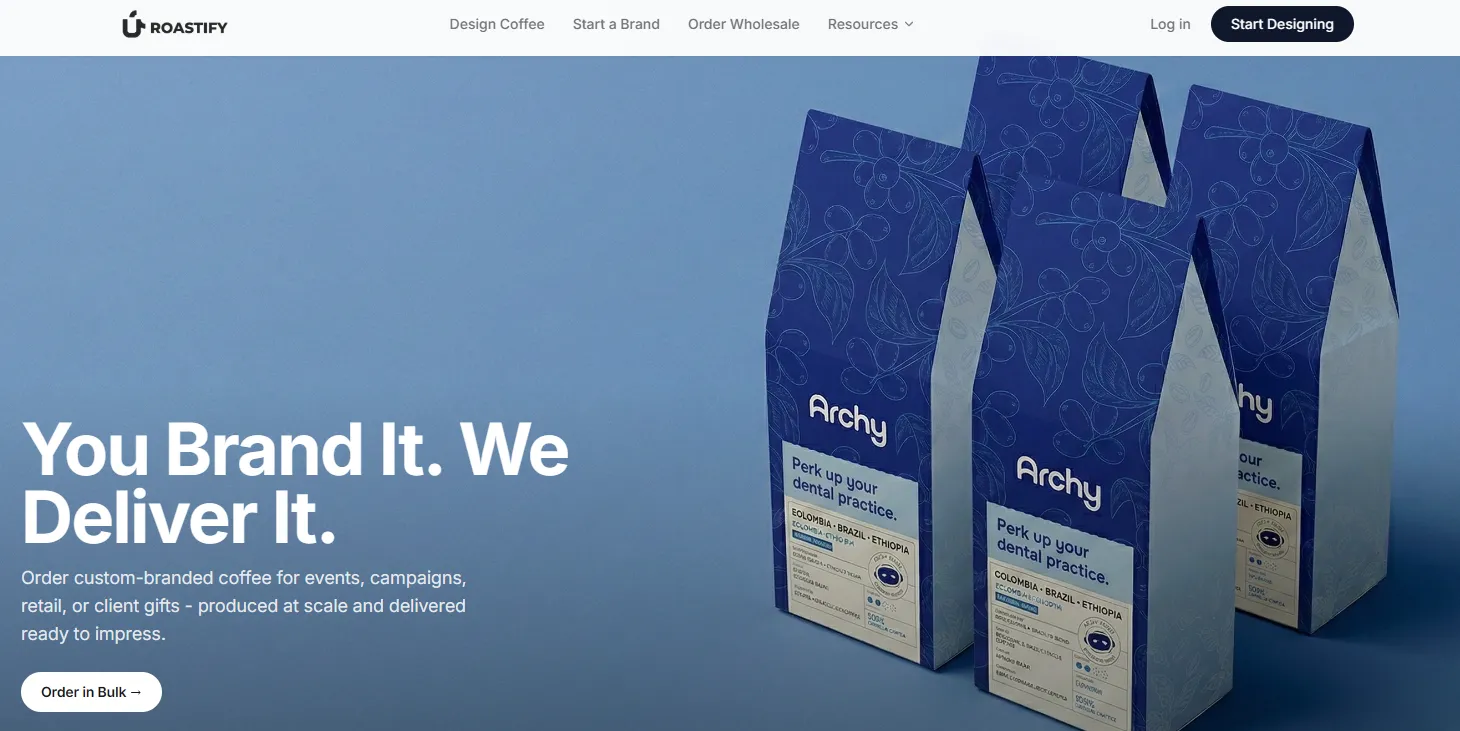
Based in the US, Roastify roasts small-batch specialty coffee and ships it in your custom-printed packaging.
There are no minimums, and it plugs right into Shopify, Printify, and Fourthwall. Great for creators, merch brands, and anyone who wants full-color branded bags without ordering stock upfront.
Dripshipper
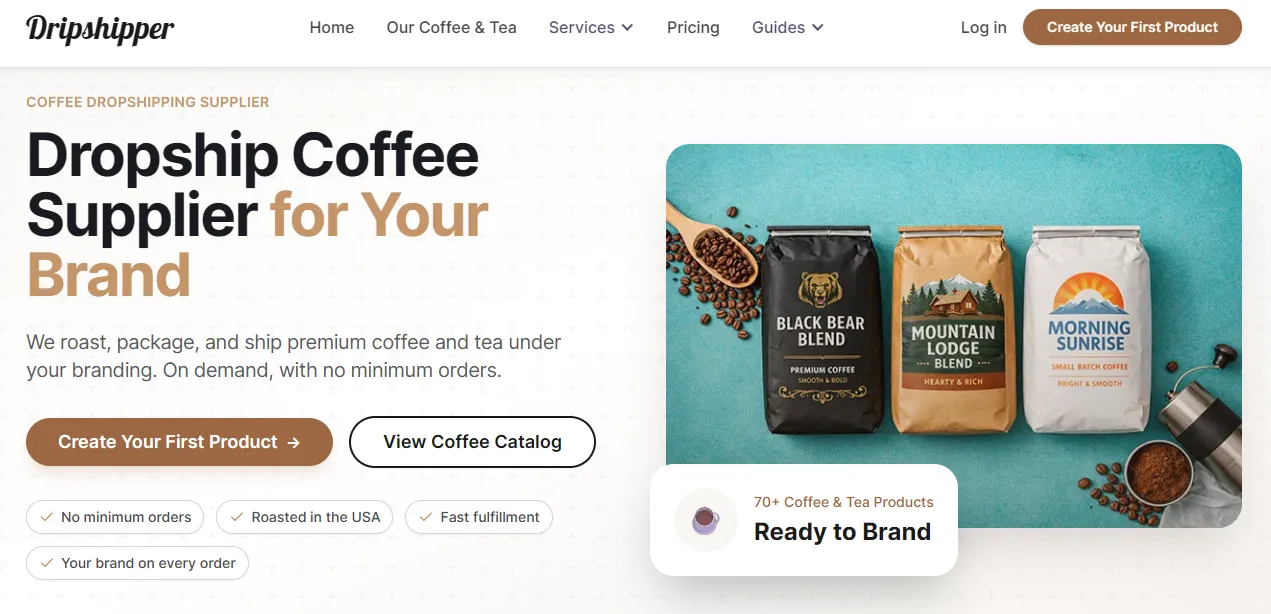
Dripshipper is a Shopify app built for beginners. It offers 40+ coffee and tea options with private-label branding, plus a done-for-you store build if you don't have one yet.
All orders ship from the US within 3–5 business days, making it a solid pick for first-time coffee sellers.
Path Coffee Roasters
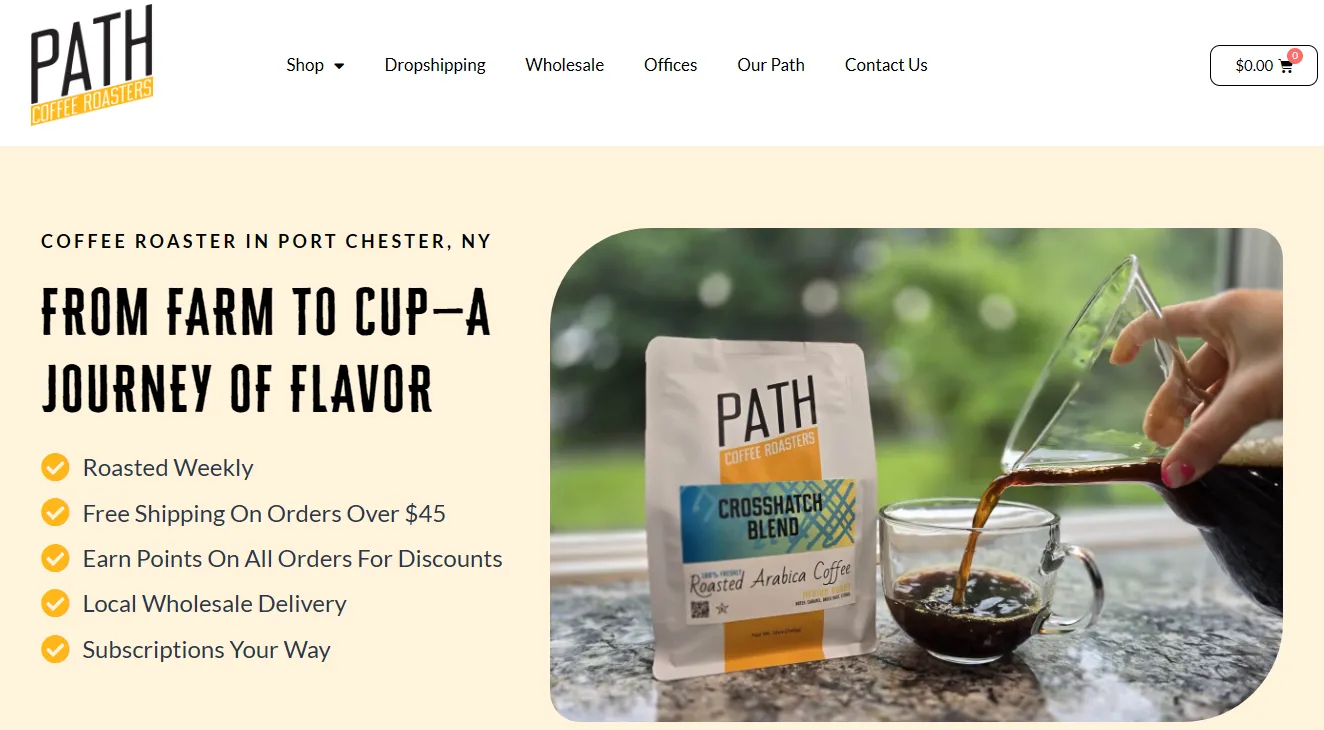
Path Coffee is a family-run US roaster with over a decade of private-label experience. There are no monthly fees and no minimums for dropshipping, and every account gets a real person as an account manager.
A good fit for sellers who want hands-on support while building their brand.
Old Chicago Coffee
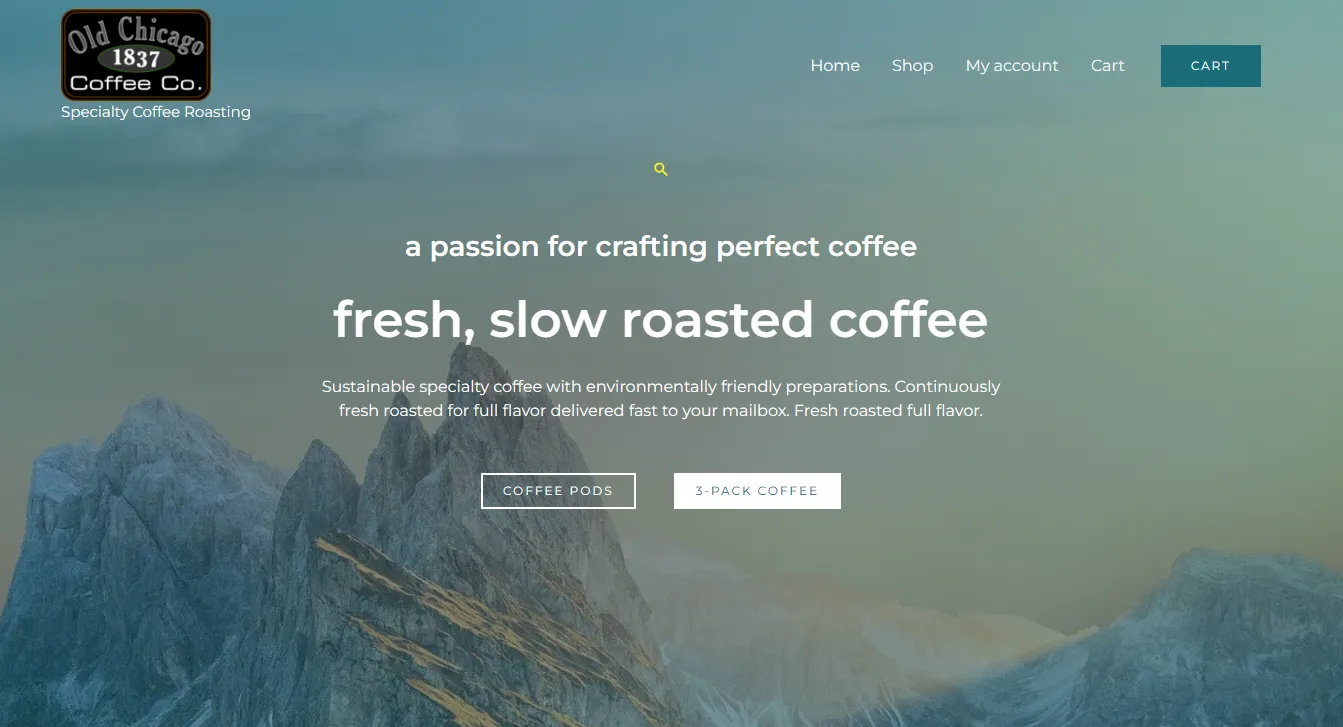
Old Chicago Coffee offers white-label and private-label dropshipping with free full-color label printing and no per-order dropship fee. After a free trial, it's just $10 a month.
They ship worldwide and handle customs paperwork, which makes them handy for sellers who want to reach customers outside the US.
Aroma Ridge
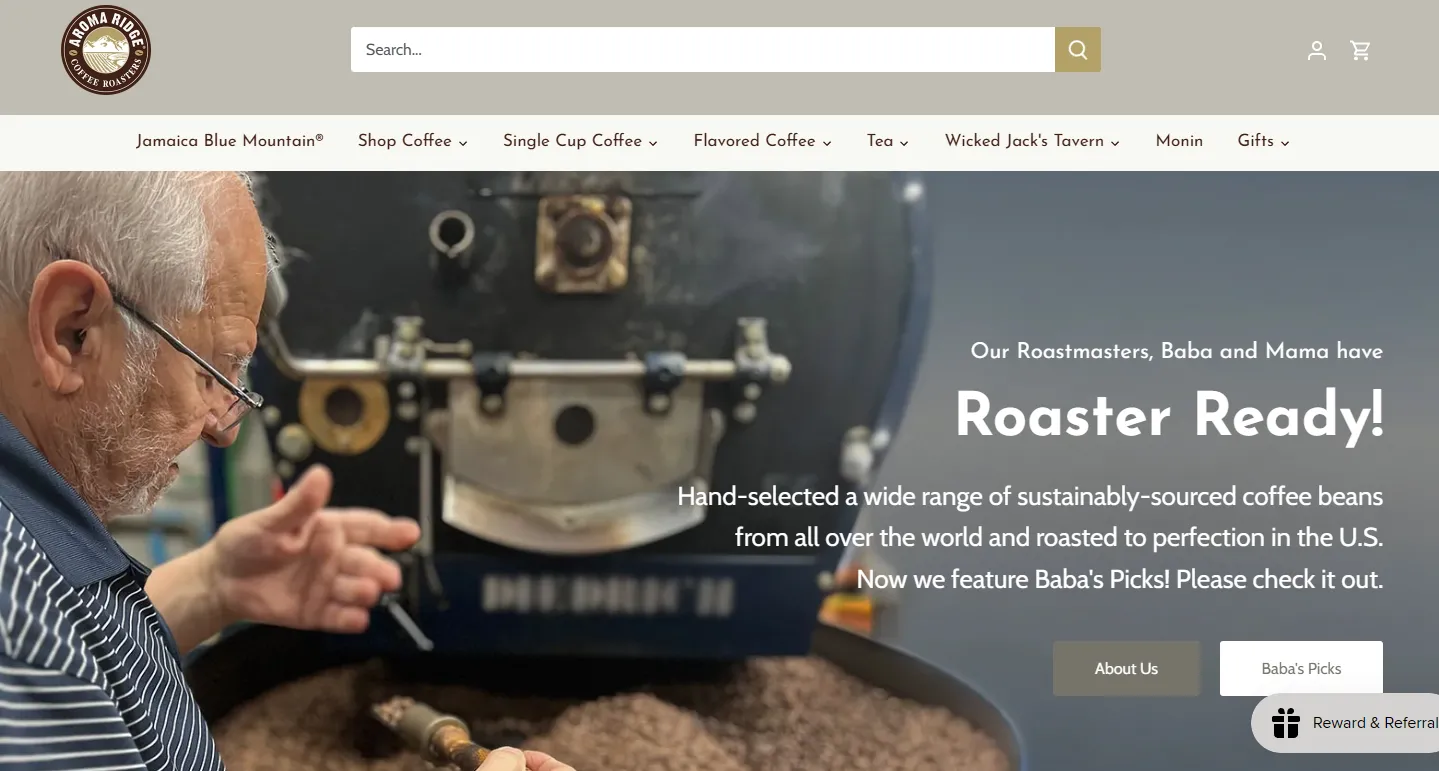
Aroma Ridge is a Georgia-based, family-owned roaster with 30+ years of experience. It's known for gourmet blends like Jamaica Blue Mountain and flavored coffees.
There's a one-time $100 setup fee and a $3.25 per-order charge, with 1–2 day fulfillment. Best for sellers focused on premium or gift-worthy blends.
Temecula Coffee Roasters
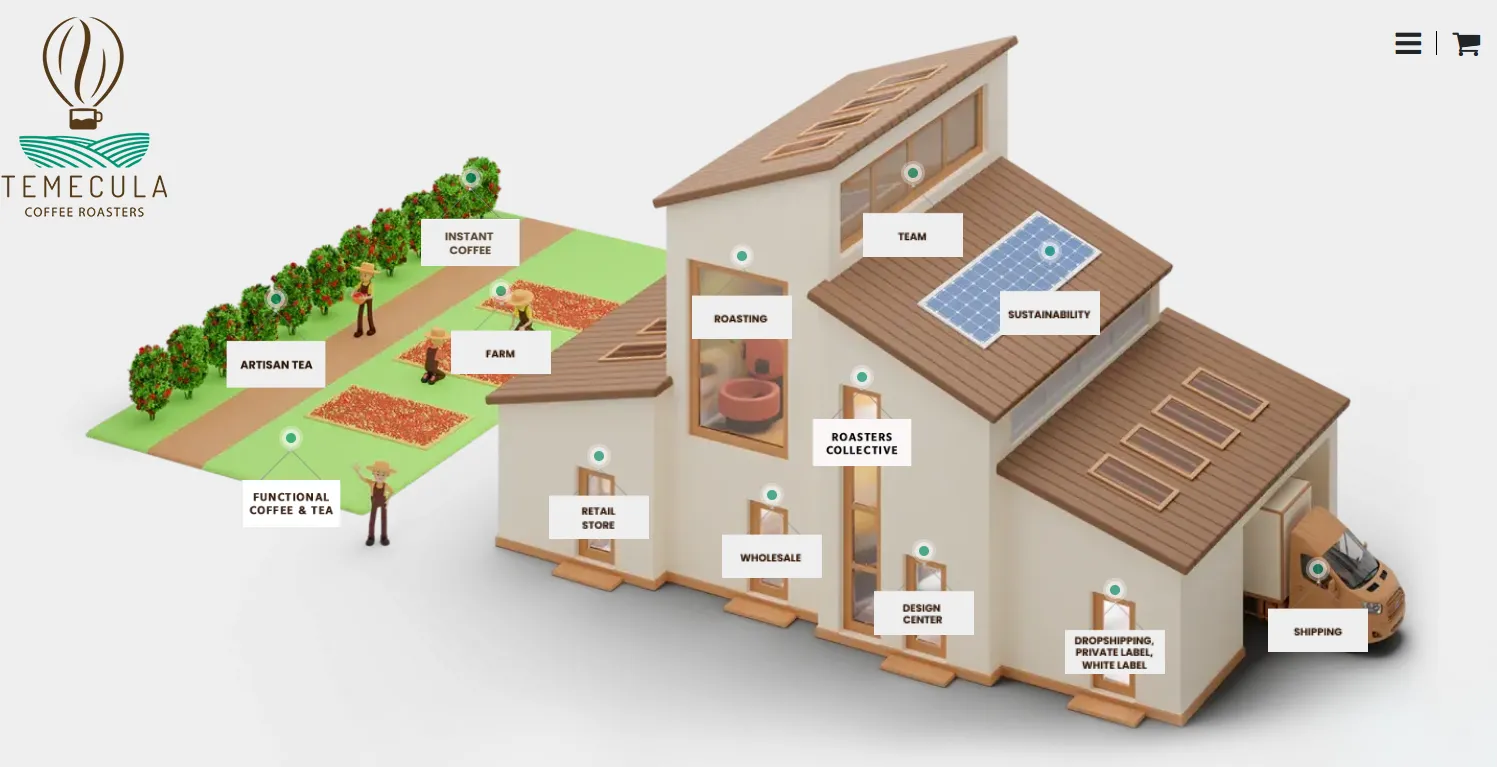
Temecula runs an FDA-registered facility in Southern California and offers coffee, tea, matcha, and functional coffee.
There are no monthly fees and no minimums, and its TCR app connects to Shopify for automated orders. A strong pick for sellers who want variety and Fairtrade-certified options.
Blessed Bean Coffee
Blessed Bean is a family-run Florida roaster with over 100 coffee flavors, including single-origin, flavored, and low-acid options.
They ship worldwide and offer bulk private-label bags with no minimum order. Best for sellers who want lots of flavor variety without complex custom blending.
Joe's Garage Coffee
Joe's Garage focuses on private-label pods and capsules—Keurig cups, Nespresso pods, and compostable soft pods.
It's more of a contract manufacturer than a pure dropshipper, with MOQs and longer lead times. Best for sellers ready to scale a pod-based coffee brand rather than test the waters.
Supliful
Supliful is a US-based supplier that specializes in specialty and functional coffees, including mushroom coffee and hemp coffee blends.
It integrates directly with Shopify and puts a strong focus on branding. A great fit for sellers targeting wellness-minded customers or building a health-focused coffee line.
Hormozi Coffee
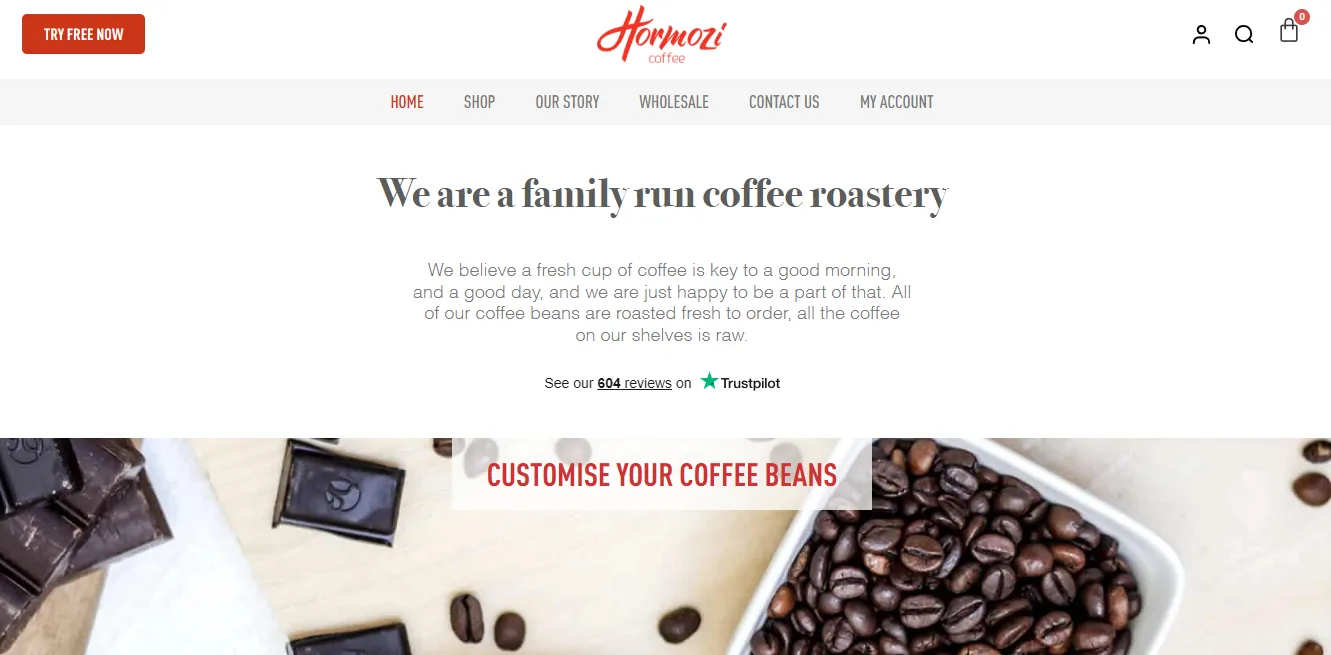
Hormozi is a UK-based supplier offering a broad dropshipping coffee selection of coffees with no startup fees and no monthly costs.
Orders are processed manually and shipping is quoted case by case. Best for UK sellers who want flexibility and lots of coffee choices without paying subscription fees.
YourBeans
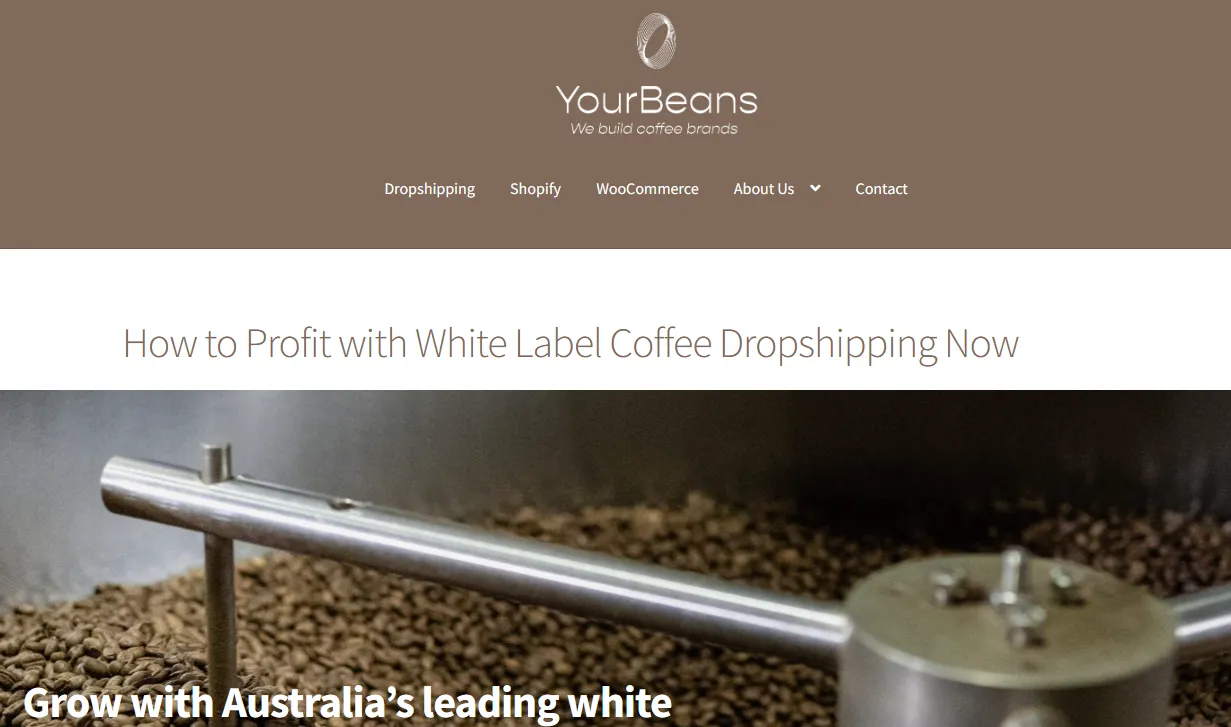
YourBeans is an Australia-based supplier with 20+ years in specialty coffee. It offers single-origin beans, award-winning blends, seasonal roasts, and eco-friendly packaging.
There's also branding help and mentoring included. Ideal for Australian entrepreneurs who want premium beans and support while launching their coffee brand.
Limini Coffee
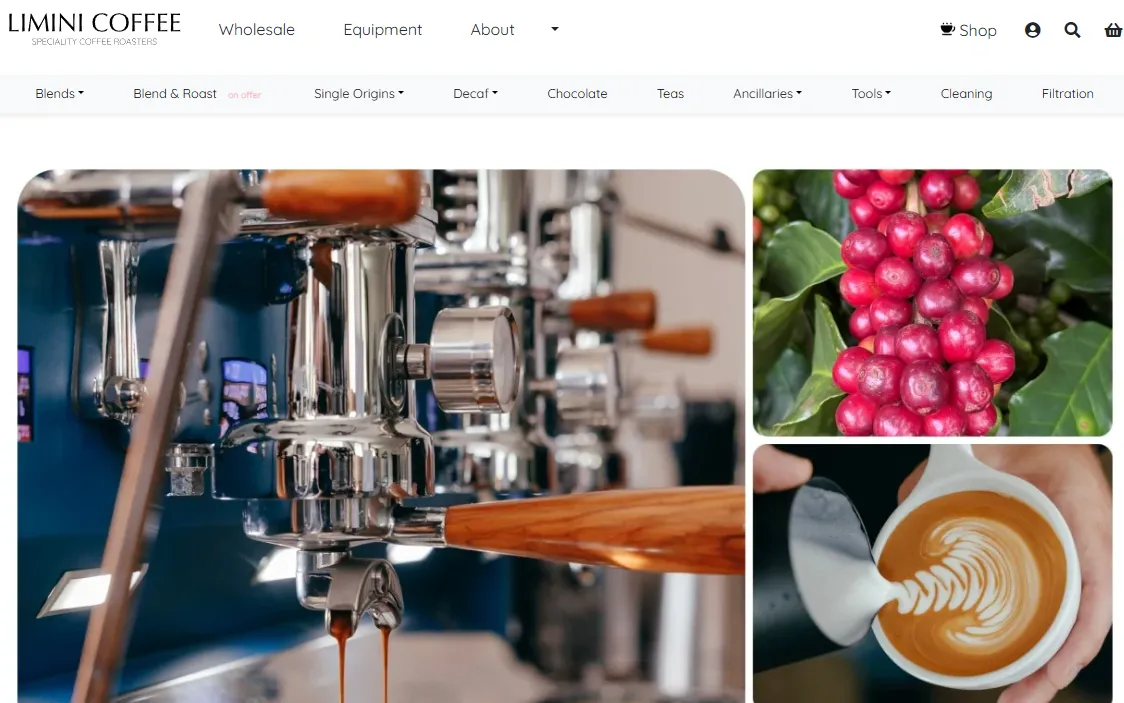
Limini is a UK-based roaster offering private-label dropshipping with no setup fees—you only pay for orders as they come in.
Packaging arrives with no Limini branding, so customers only see your logo. A solid choice for UK sellers who want a low-risk way to test coffee ideas.
9 Types of Coffee Products You Can Dropship
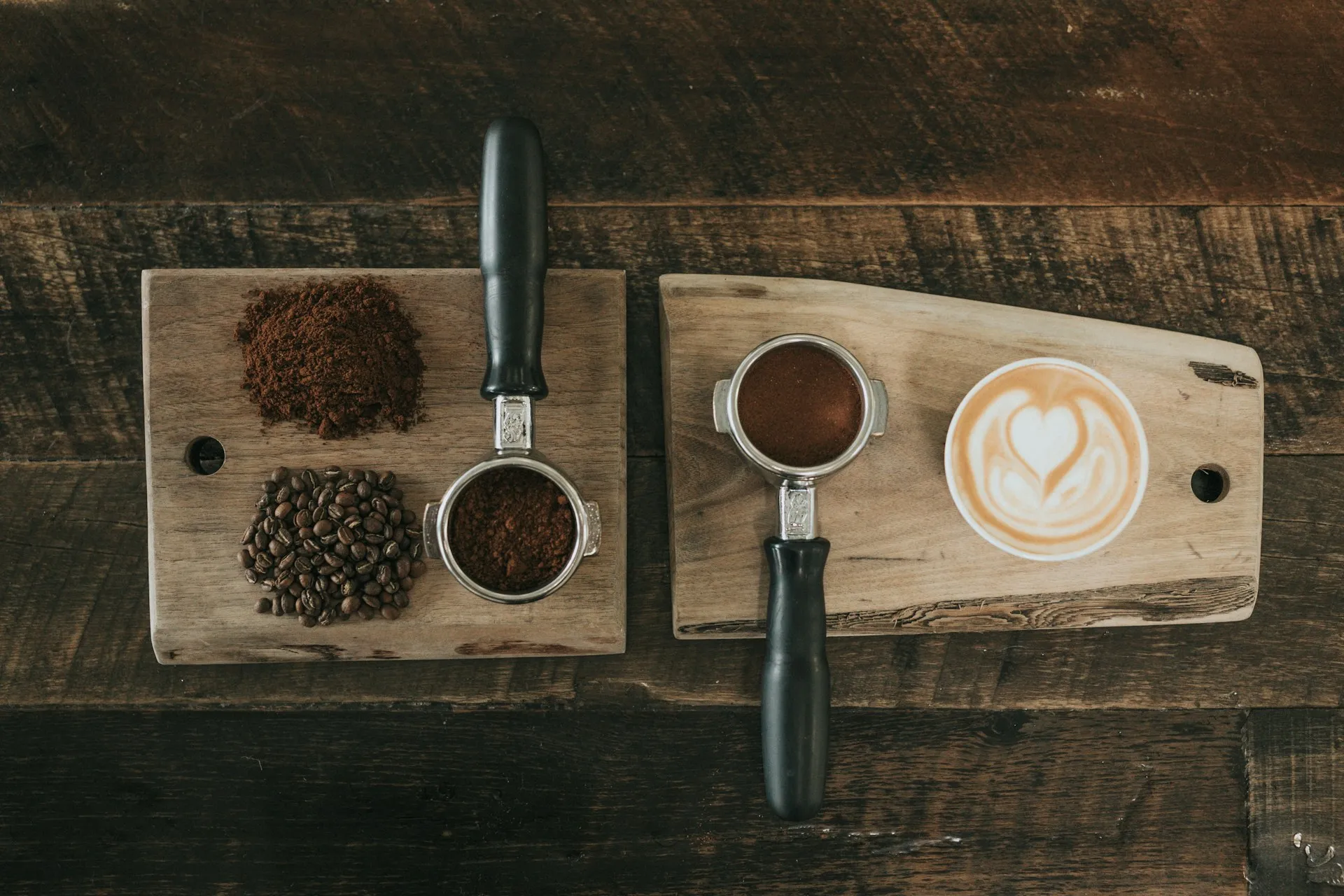
Whole Bean Coffee
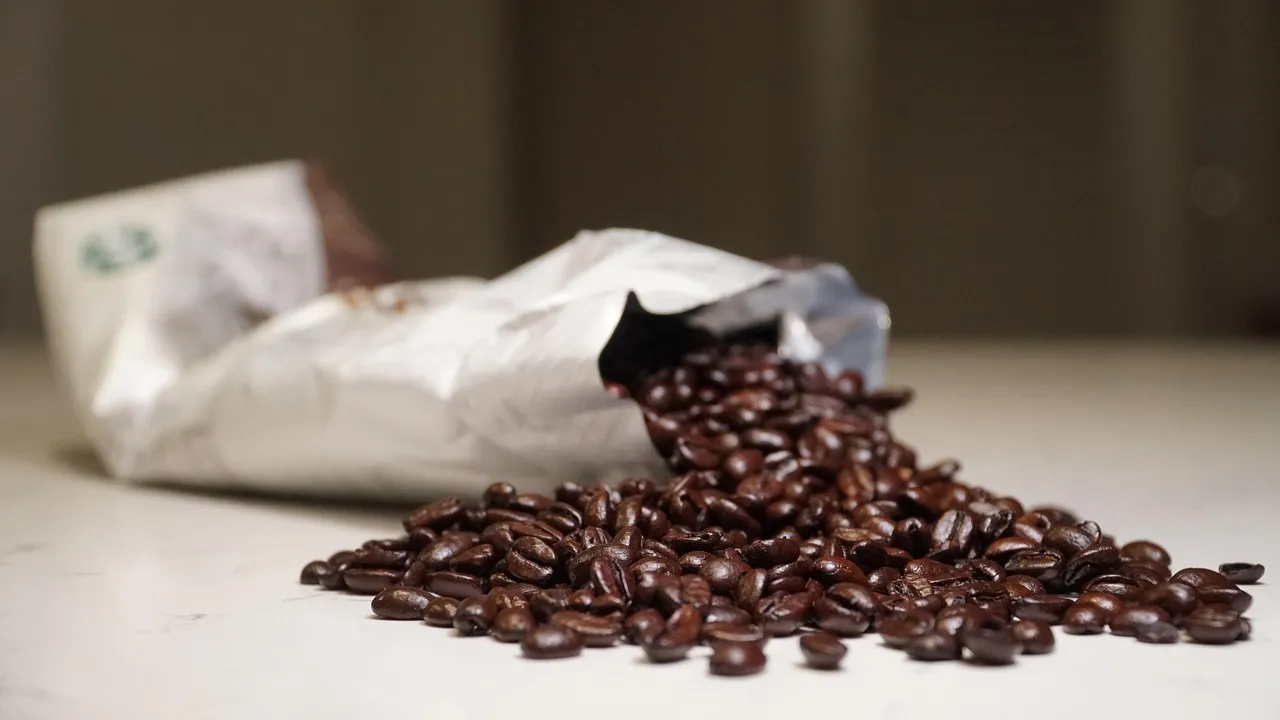
The people buying whole bean already own a grinder and they're picky about freshness. That's actually good news—they pay more, they come back, and they don't complain about grind size.
Downside: your market is smaller, and you'll need to prove the beans are recently roasted or you'll lose them fast.
Drip Bags
Think tea bag, but for coffee. You tear open the pouch, hook the paper frame over your mug rim, and pour hot water through.
They've been a staple in Japan and Korea for decades and are finally getting traction with Western buyers. Light to ship, easy to gift, and they photograph really well for social content.
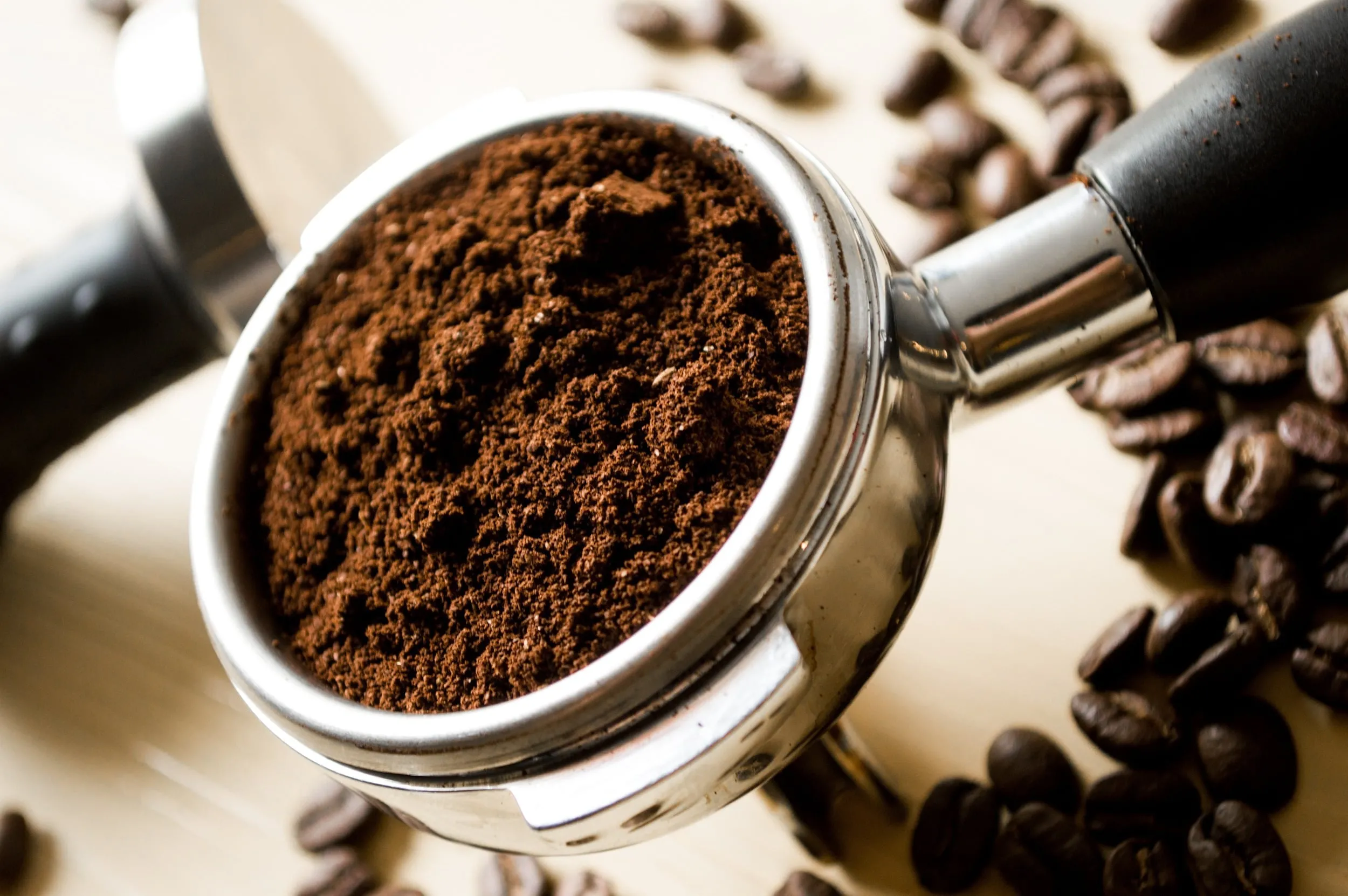
Ground Coffee
Ground is what most households actually drink. No grinder, no fuss, just scoop and brew. The catch is that flavor fades quicker once the bag is opened, so how you communicate freshness on your product page matters a lot.
Offering multiple grind sizes covers drip, espresso, and French press drinkers all at once.
Coffee Pods and Capsules
Nespresso and Keurig owners already committed to the machine, so they're locked into buying pods somewhere—might as well be from you. Compostable options are where the growth is right now.
Watch out for compatibility claims though; getting the licensing and certifications wrong is a fast way to get pulled from marketplaces.
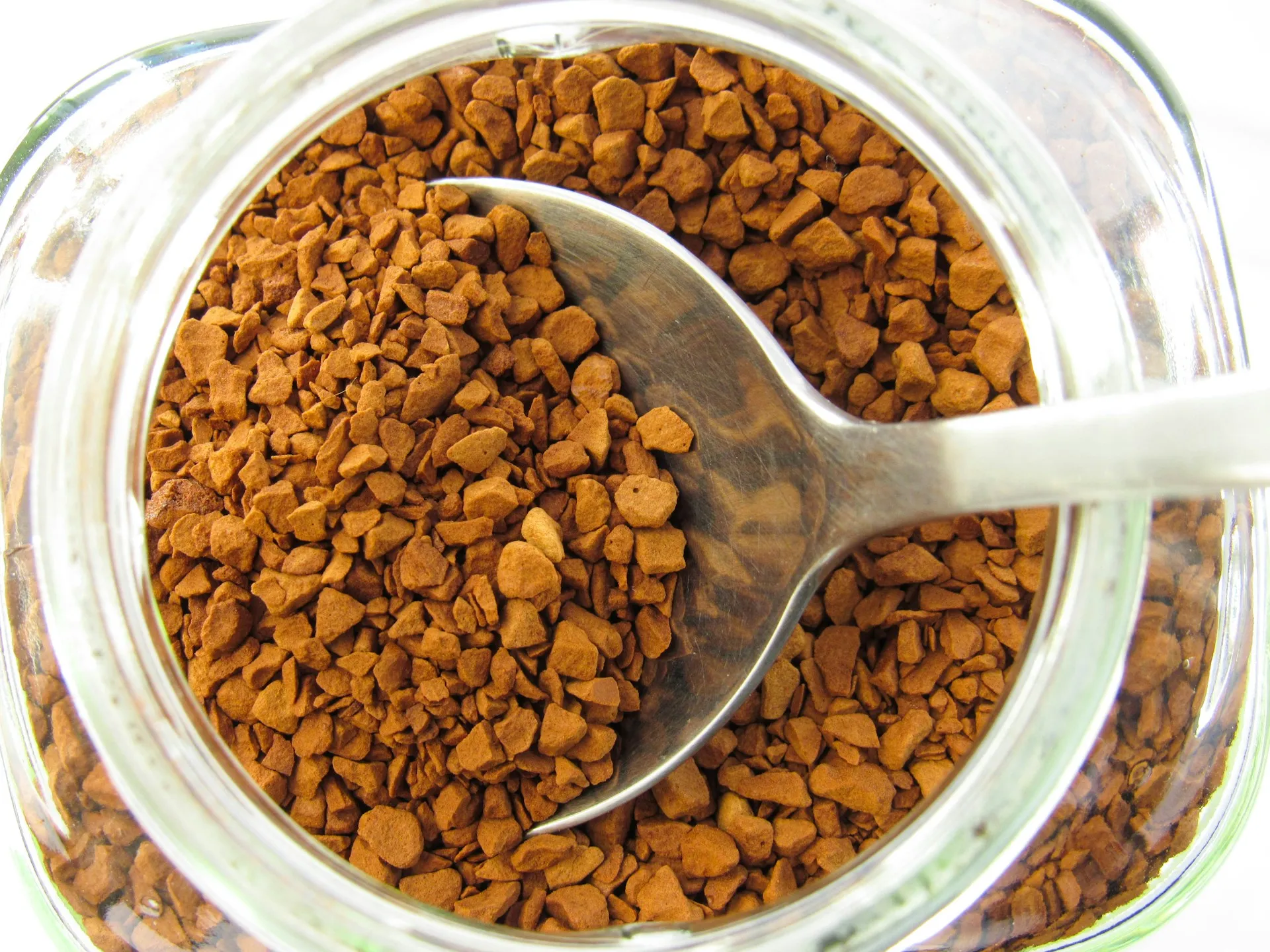
Instant Coffee
Instant isn't the sad brown powder anymore. Specialty-grade freeze-dried instant is genuinely good, and the category is quietly booming. It ships cheap, doesn't break, and lasts forever on a shelf.
Outdoor brands, travel brands, and minimalist lifestyle brands all lean into this one for obvious reasons.
Cold Brew and Concentrates
A concentrate is coffee brewed cold and slow, then bottled at strength so buyers just add water, milk, or ice. It sells like crazy from May through September and then basically disappears.
Liquid also costs more to ship and one busted bottle in transit wipes out the profit on the whole order.
Ready-to-Drink Coffee
Cans and bottles win the grab-and-go crowd, but the economics get tricky fast. Liquid weight kills your shipping math, and RTD usually needs cold-chain handling for anything premium.
Most successful RTD brands go retail or DTC subscription rather than pure dropship. Worth knowing before you build a whole store around it.
Coffee Equipment
Gear—grinders, kettles, French presses, scales—is the smartest way to push your AOV up without adding new customers.
Someone buying beans will happily add a $40 grinder if you place it right. Bundles work especially well here. Just be careful with fragile items; breakage on shipping is the main headache.
Coffee Merchandise
Mugs, tees, tote bags, stickers—stuff your customers wear and use in public. Real talk: merch rarely pays the bills on its own. Where it earns its keep is loyalty and reach.
A regular buyer sipping from your branded mug at the office is doing marketing you didn't have to pay for.
Why Coffee Shipping Speed Matters More Than Others
Coffee Ages the Moment It's Roasted
Roasted beans start losing flavor from day one. For the first few days, they're actually releasing CO₂ and taste a bit flat or sour if brewed too early.
After about two to three weeks, the aroma fades. So there's really only a short window when coffee is at its best—and shipping speed decides whether your customer catches it.
The "Roast-on-Demand" Promise Is Trickier Than It Sounds
Suppliers love the phrase "roasted fresh to order." Fine. But roasting is just step one. Between roasting, degassing, packing, label printing, carrier pickup, and actual transit, a bag of dropship coffee can easily take a full week to reach the door.
That's not slow, that's normal—just make sure your product page says so.
Why Late Coffee Feels Worse Than Late Anything Else
A phone case arriving three days late is annoying. A bag of coffee arriving three days late might taste tired by the time it's brewed, and the customer blames you, not UPS.
This is why picking a supplier with quick turnaround matters more here than in almost any other niche.
Subscriptions Only Work If the Timing Does
Recurring orders are where coffee dropship brands make real money, but the schedule has to make sense. If your supplier roasts on Mondays, don't set renewals for Sundays.
Give customers the ability to skip, pause, or shift a shipment so bags don't pile up unopened. A small timing tweak keeps subscribers happy for years.
Private Label vs White Label Coffee: Which Model Fits You?
Both models let you sell coffee under your own brand without roasting a single bean. The difference lies in how much control you have over the product itself—and how much time and money you're willing to invest upfront.
White Label: The Fast Lane
White label means you're selling the supplier's existing coffee with your logo slapped on the bag. The blends, roast profiles, and packaging are all pre-made.
You pick from a catalog, upload your label, and you're live. Perfect for testing an idea or launching a dropship coffee store quickly without heavy involvement in the product side.
Private Label: Building Something Your Own
Private label goes deeper. You work with the roaster to create custom blends, choose your bean origins, dial in roast levels, and often design fully custom packaging from scratch.
The coffee is uniquely yours. This route takes more time and higher costs, but you end up with a product no competitor can copy.
Cost and Commitment Differences
Here's the practical side of choosing between the two:
- White label: low or no setup fees, small per-order costs, no minimums
- Private label: higher upfront investment, sometimes MOQs, longer development timeline
If you're bootstrapping, white label lets you validate demand first. Private label makes more sense once you know what your customers want.
Which One Fits You?
White label works best for first-time sellers, side hustles, and merch-style coffee dropship brands where the design carries the story.
Private label suits founders serious about building a long-term coffee company with a signature product. Many brands actually start white label, then move to private label once sales prove the concept.
Expert Tips
Coffee dropshipping is one of the friendliest ways to launch a real brand today. You skip the roasting, the inventory, and the storage headaches. You focus on what you actually enjoy—building your brand and reaching customers who love good coffee.
Start by picking one supplier from this list that fits your goals. Test a few products. Learn what your audience likes. Then grow from there.
The beauty of coffee is repeat buyers. Once someone loves your bag, they come back on their own. That's how a small side project turns into steady income over time.
Your coffee brand is closer than you think. Pick a partner, launch your store, and let the beans do the talking.
FAQs
Do I need any licenses to dropship coffee?
In most cases, a basic business license or seller's permit is enough since your supplier handles food safety on their end. Rules vary by state and country, so double-check what applies where you're selling.
Are there minimum order quantities for coffee dropshipping?
Most dropshipping-focused suppliers skip MOQs entirely, meaning you can fulfill a single bag at a time. Contract manufacturers who make pods or capsules often require larger runs, so read each program carefully.
Can I sample the coffee before I start selling?
Yes, and you really should. Nearly every reputable supplier lets you order sample bags or a starter kit at cost. Tasting the product firsthand helps you write honest descriptions your customers will trust.
Will the supplier's branding appear on the package?
No—reputable dropshipping partners ship in blank boxes with only your logo on the bag itself. Return labels, packing slips, and outer packaging stay unbranded, so buyers see your brand and no one else's.
Can I ship coffee internationally?
Yes, though it depends on the supplier. Some ship worldwide and handle customs paperwork for you, while others only serve their home region. Factor in higher shipping costs and longer delivery times for overseas orders.
Share article


Written by

Retail analytics background | Follows e-commerce trends closely | Digging into what small sellers actually need

 Early access

